Russia will supply US and global markets with diesel, Trump says
Russia will supply the U.S. and global market with diesel, President Trump announced Friday, responding to sky-rocketing prices exacerbated by both the Russia-Ukraine and U.S.-Iran wars. The president’s move comes less than a month from the midterm elections, where rising energy prices are dominating voters’ concerns. Trump on Friday said that Russia would “immediately” supply…
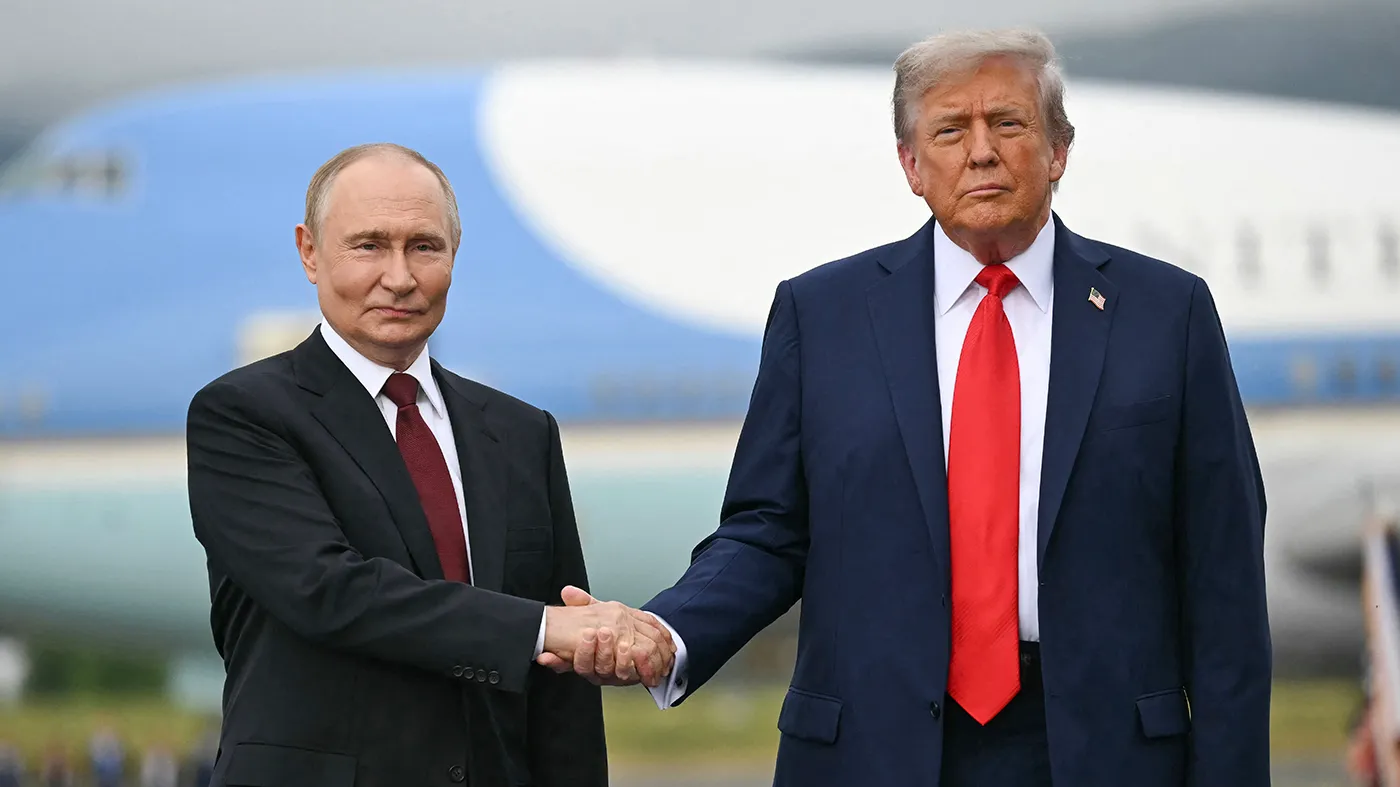
Russia will supply the U.S. and global market with diesel, President Trump announced Friday, responding to sky-rocketing prices exacerbated by both the Russia-Ukraine and U.S.-Iran wars.
The president’s move comes less than a month from the midterm elections, where rising energy prices are dominating voters’ concerns.
Trump on Friday said that Russia would “immediately” supply 300,000 tons of diesel to the U.S. and the global marketplace.
“I have just concluded a highly successful discussion with President Vladimir Putin, of Russia, wherein it was agreed that Russia will immediately supply over 300,000 Tons of Diesel Fuel to the American and Global Marketplace, another 500,000 Tons during the month of November, and 1,000,000 Tons immediately thereafter,” he wrote in a post on Truth Social .
“Additionally, based on the condition of their Diesel Refineries, Russia will then deliver, within a short period of time, 3,000,000 Tons of Diesel Fuel,” he added.
Moscow confirmed its readiness to supply oil and petroleum to the U.S. and global markets, Putin said in a statement following the call reported by Russian state media .
Trump’s comments come after Russia banned diesel exports in the face of a shortage, with its energy production coming under attack from Ukrainian strikes. Late last month, the country had extended its ban until the end of October .
Ukrainian President Voldoymyr Zelensky rejected the U.S. move on Friday and said Ukrainian strikes are retaliation for Russia’s targeting of Ukraine’s energy infrastructure, in particular electrical grids, depriving people of light, heat and water.
“Ukraine is ready to take symmetrical de-escalatory steps, and the American team knows our position,” Zelensky said in a post on X . “Our strikes on Russian oil refineries and other oil facilities are a response to Russia’s years-long campaign of terror against Ukraine’s energy sector.”
The Treasury Department said Friday that it would be lifting sanctions on Russian diesel to allow the fuel into the global marketplace. A few weeks ago, Trump signed a bill into law that authorized further sanctions on Russia.
On Friday, the average diesel price in the U.S. was about $6.28 per gallon, up from about $3.68 a year ago, according to AAA .
On an average day, the U.S. transportation sector consumes about 2.94 million barrels of diesel.
Russia has historically been a major diesel exporter. A year ago, it was shipping about 2.5 million tons per month, but had been estimated to be shipping around 1 million metric tons in June, Reuters reported .
Andy Lipow, president of consulting firm Lipow Oil Associates, said he was “skeptical” that Russia would be able to come up with the promised barrels.
“I’m quite skeptical about those type of volumes being exported, given that currently Russia has imposed a diesel export ban in October,” Lipow told The Hill.
“Now, it’s certainly possible that once the harvest season ends in Russia, that we do see an increase in diesel exports, but I believe that Ukraine is going to continue to attack Russian refineries to impact on their ability to produce transportation fuels,” he said.
If Russia is able to come up with the barrels, Lipow said that the 300,000 ton and 500,000 ton figures are “quite small” compared to the entire global diesel market, though he said 3 million tons was more significant.
He says that if Russia does come up with the diesel to export, he expects there will be “some relief on diesel prices.”
Trump’s decision to facilitate Russian diesel on the market comes as he faces an Oct. 18 deadline to decide whether to impose sanctions targeting Russia’s energy industry or waive those authorities in the face of national security concerns.
The sanctions authorities are part of the Lindsey O. Graham Sanctioning Russia Act, which Trump signed into law in September, concluding a more than year and a half long campaign to move forward the legislation. It was named for the late Sen. Lindsey Graham (R-S.C.), who died suddenly in July. Shortly before his death, Graham announced a breakthrough with the White House to move the bill forward.
A key part of the bill is Trump having authority to tariff countries that are the top five purchasers of Russian energy, largely taking aim at India and China.
The bill passed overwhelmingly in the Senate and drew a bipartisan majority in the House. Its supporters are likely to push back on Trump’s decision to ease pressure on Russia’s energy sector, viewed as the main financial engine supporting Putin’s war in Ukraine, now in its fourth year.
Zelensky, who hosted a bipartisan delegation of American lawmakers in Kyiv on Friday, said sanctions from the Graham bill must be imposed, pushing back on Trump’s announcement while saying that “Peace never comes through weakness.”
“There must be support for Ukraine in protecting lives, and there must be pressure on Russia for its war. And today, there was a conversation between the leaders of America and Russia. A conversation that leads to something different,” he posted on X .
Trump’s announcement also comes as Zelensky’s top officials for talks with Russia met in Miami with Jared Kushner and Steve Witkoff, who are leading U.S. negotiations between Moscow and Kyiv, Reuters reported .
Topics in this story
Gathered from external sources. Rights to this text belong to whoever originally published it.