GLP-1 combination therapy may unlock new benefits for psoriasis patients
The combination of medications also showed increased inflammatory immune activity compared with Taltz alone.
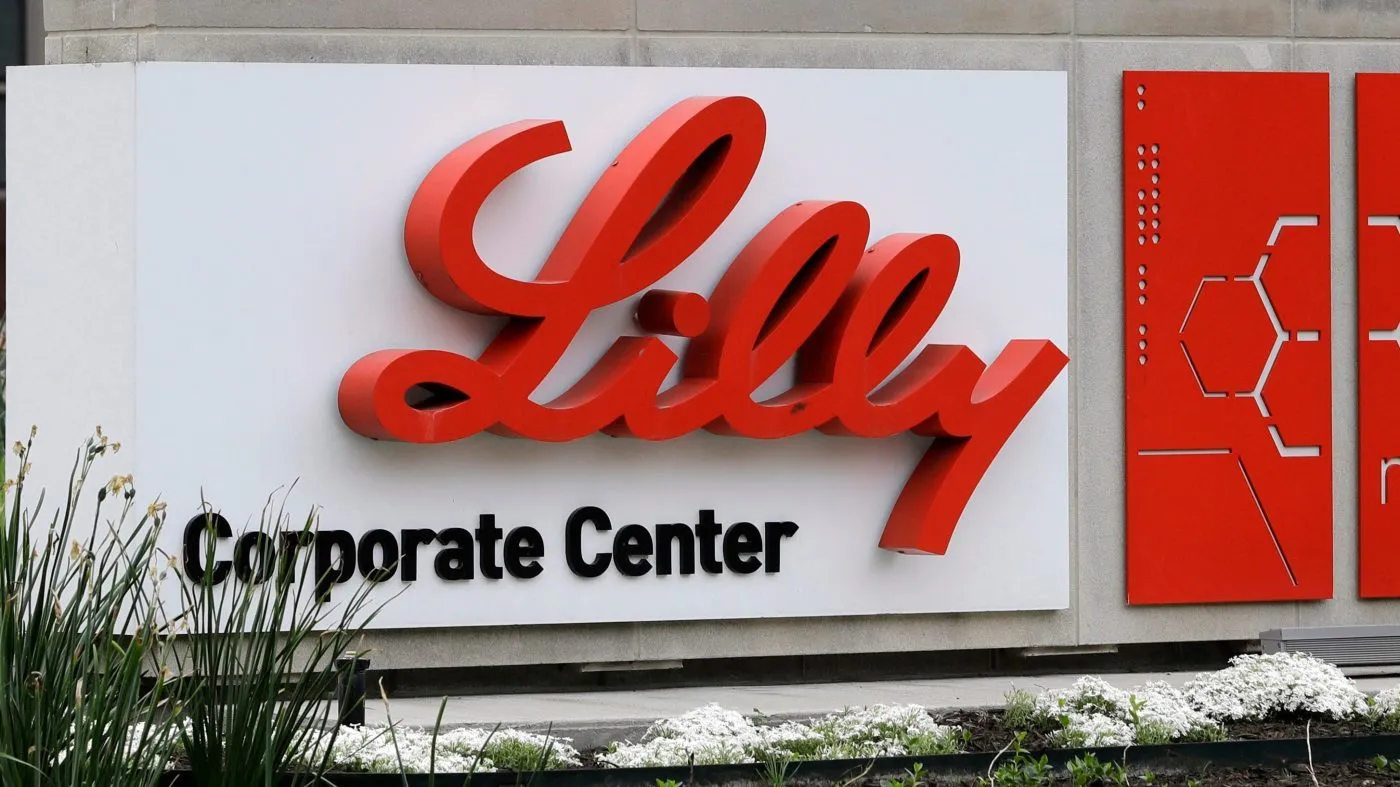
( NewsNation ) — The latest research involving GLP-1 drugs suggests they may produce changes in adults with moderate-to-severe psoriasis and obesity .
New data from an Eli Lilly study found that adults with moderate-to-severe psoriasis and obesity experienced broader immune and metabolic changes when treated with both Taltz (ixekizumab) and Zepbound (tirzepatide) compared with Taltz alone.
“People living with psoriasis and obesity carry a compounded burden that extends beyond what is visible, yet these conditions are too often viewed through separate treatment lenses,” said Eli Lilly’s Dr. Mark Genovese, senior vice president of Lilly Immunology Development.
“The broader biomarker changes observed with Taltz and Zepbound, including those associated with skin clearance, may point to a meaningful relationship between immune and metabolic biology,” Genovese added.
Researchers measured circulating proteins and blood-based gene expression in patients and found that, by Week 36, those receiving the combination treatment showed greater changes in psoriasis-related, immune and metabolic biomarkers.
The combination therapy was associated with increases in 482 proteins and 467 genes, compared with 140 proteins and 16 genes in the Taltz-only group.
The medicine duo also showed increased inflammatory immune activity compared with Taltz alone.
“This analysis provides new insights into the potential connected immune and metabolic biology in people with psoriasis and obesity,” added Dr. James G. Krueger of The Rockefeller University.
Nearly 61 percent of Americans with psoriasis also have overweight or obesity and at least one obesity-related comorbidity, according to the data.
Topics in this story
Gathered from external sources. Rights to this text belong to whoever originally published it.