$5K Trump check? Peanuts. White House has even bigger, more realistic idea: $9K/year for US families. See who qualifies
It could be more. How would an extra $18K/year sound?
Moneywise and Yahoo Finance LLC may earn commission or revenue through links in the content below.
A $5,000 "Trump dividend" is the talk of the town right now — and it's easy to see why.
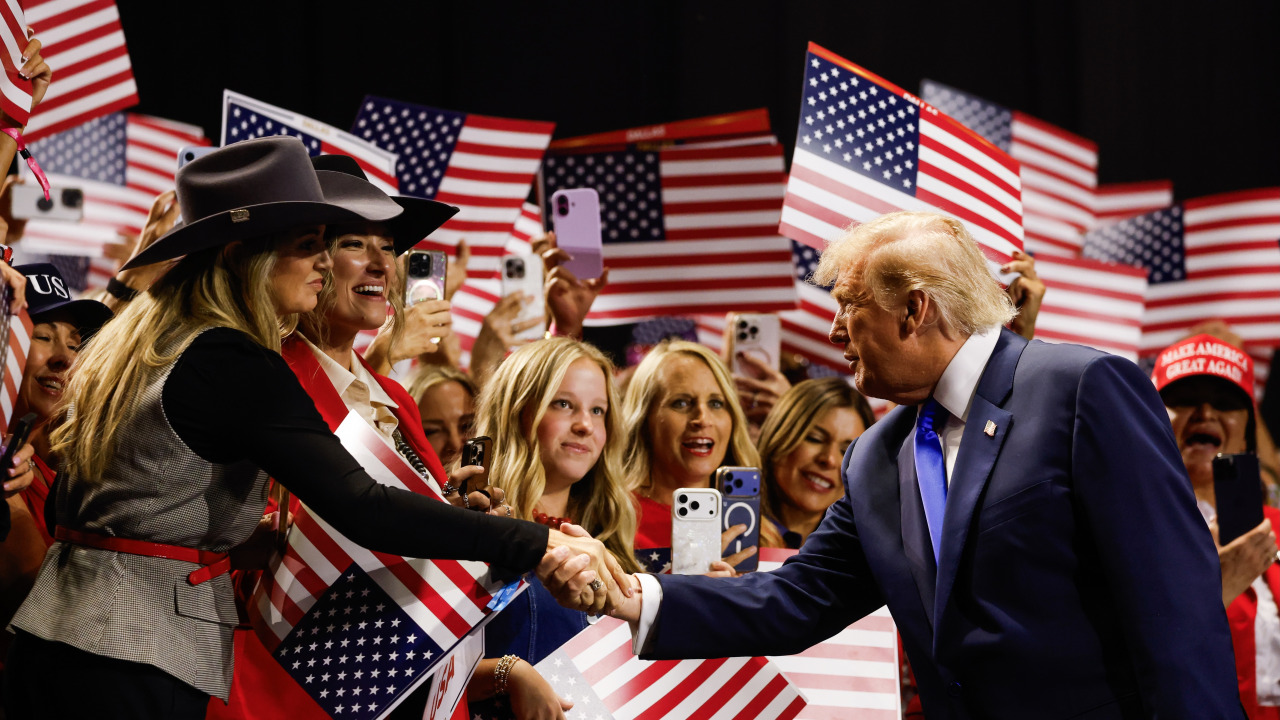
President Donald Trump unveiled the idea during the Republican Party's midterm convention in Dallas, promising to issue every adult U.S. citizen a $5,000 payment if Republicans retain control of both the House and Senate in November.
Jeff Bezos backs a platform that lets anyone invest in rental homes for as little as $100 — 6 ways to build wealth like a landlord without actually being one
JPMorgan sees gold hitting $5,000/oz by Q4 — and savvy investors are protecting their wealth with a tax-advantaged Gold IRA. Get your free guide from Priority Gold
The tax breaks in Trump's 'big beautiful bill' expire after 2028. Here are 4 moves to make before the window closes
"If the Republicans win, you win with us and you get $5,000," Trump declared (1).
The proposal immediately went viral. But the White House has not explained exactly how the payments would work or where all the money would come from. Vice President JD Vance later suggested that wealthier Americans might be excluded and that tariff revenue could help fund the checks.
Even then, the math is daunting. The plan could cost more than $1 trillion, dwarfing the tariff revenue collected by the federal government. It would also require congressional approval because the president cannot simply reach into the Treasury and start mailing checks on his own.
In other words, the so-called Trump dividend remains closer to a campaign pledge than money Americans can count on receiving.
But behind the scenes, Trump officials are reportedly developing another potential family windfall — one worth roughly $9,000 a year per child. And while it has received far less attention, it may have a more direct path to becoming reality.
According to The New York Times (2), the administration is drafting a rule that would allow certain married couples to receive federal child care subsidies when one parent stays home to care for their children.
The money would come from the existing $12 billion Child Care and Development Fund, which was established to help low- and moderate-income parents afford child care while they work, attend school or receive job training. The program currently supports about 1.3 million children and typically provides roughly $9,000 per child each year.
Under the draft proposal, that same assistance could become available when one spouse works at least 35 hours per week and the other provides care at home. The family would also have to satisfy the program's income requirements, generally earning less than 85% of their state's median income, although some states impose a lower cutoff of 60%.
Topics in this story
Gathered from external sources. Rights to this text belong to whoever originally published it.