US launches retaliatory strikes on 3 Iranian oil carriers in response to attacks against Navy warships
U.S. Central Command (Centcom) on Saturday conducted strikes on several Iranian crude oil carriers in response to “multiple unprovoked” Iranian attacks on two U.S. Navy warships, according to the military command. The U.S. military “permanently disabled” three of the Islamic Revolutionary Guard Corps’s (IRGC) crude oil carriers located near Kharg Island and in the Gulf…
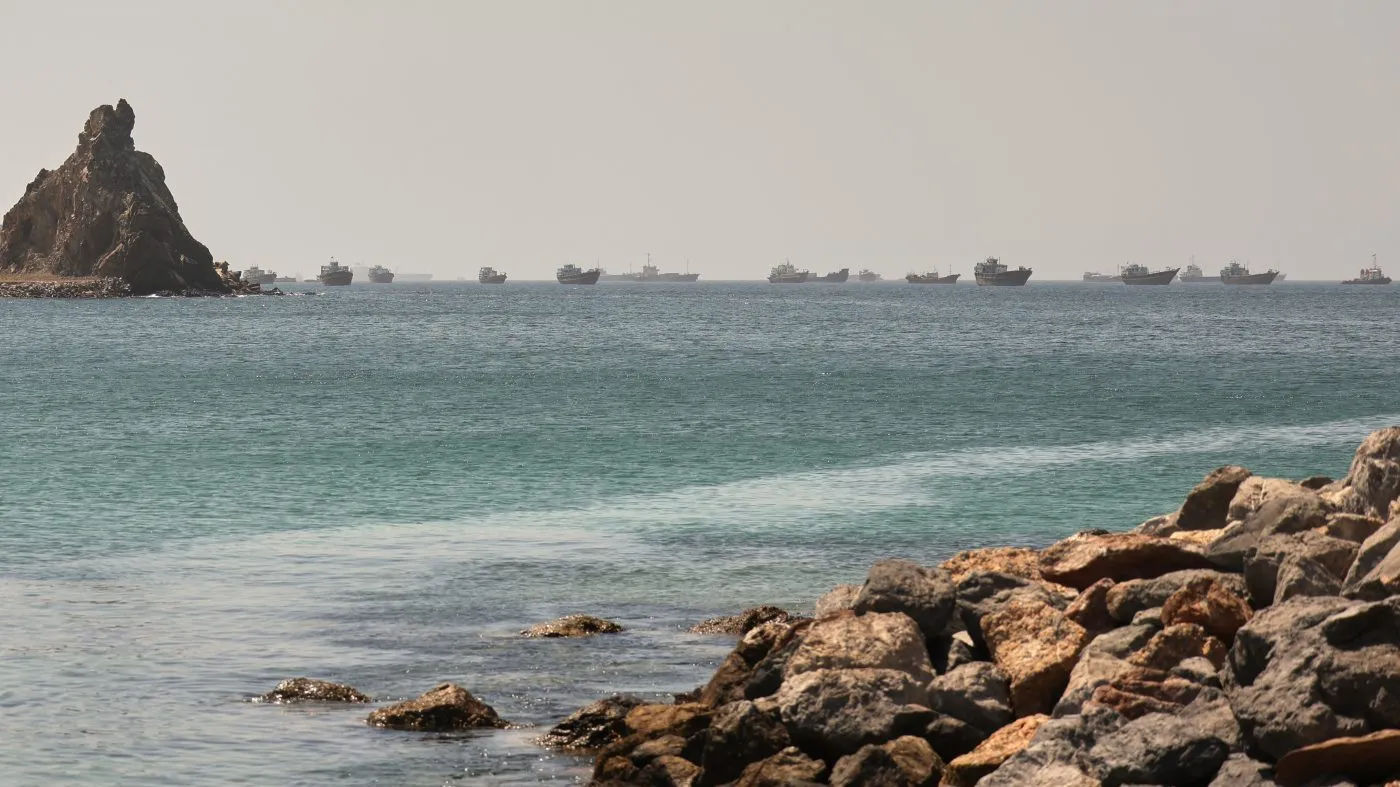
U.S. Central Command (Centcom) on Saturday conducted strikes on several Iranian crude oil carriers in response to “multiple unprovoked” Iranian attacks on two U.S. Navy warships, according to the military command.
The U.S. military “permanently disabled” three of the Islamic Revolutionary Guard Corps’s (IRGC) crude oil carriers located near Kharg Island and in the Gulf of Oman. No U.S. service members were harmed during the Iranian attacks, according to Centcom.
“Let the message to the IRGC be clear: If you shoot at two of our ships, we will impose an even higher economic cost —taking out three of yours,” Centcom Commander Adm. Brad Cooper said in a statement shared on social media. “We will not hesitate to defend American forces, and if necessary, destroy Iran’s limited and exposed oil fleet.”
The exchange of hostilities follows escalating military operations from both sides this week. After the U.S. carried out roughly 100 strikes against Iranian targets on Tuesday, Tehran responded by targeting U.S. military bases and allies in strikes across the Middle East.
Vice President JD Vance waived off concerns about the state of the conflict during a Thursday press briefing, telling reporters he “wouldn’t call it a war.”
“Right now, there is no active shooting,” he continued. “I recognize there have been places where this has flared up.”
President Trump and his administration have repeatedly pushed back on public criticism of this conflict, which has now stretched into a sixth month. The effective closure of the Strait of Hormuz has placed a strain on the global energy supply, raising fuel and other costs for U.S. consumers.
“A lot of people don’t call it a war. I call it a military conflict, because it’s small potatoes for us. It’s not a big thing,” the president told reporters in the Oval Office on Friday.
Topics in this story
Gathered from external sources. Rights to this text belong to whoever originally published it.