No drinking water contamination detected after Iowa lead detonation: EPA
Initial lab results from the Environmental Protection Agency (EPA) showed the U.S. Army’s controlled munitions detonation in Iowa did not lead to elevated lead levels in drinking water, the agency shared Saturday. “EPA found no lead in the 38 water samples taken post-detonation at public water supplies, which included samples of finished treated drinking water…
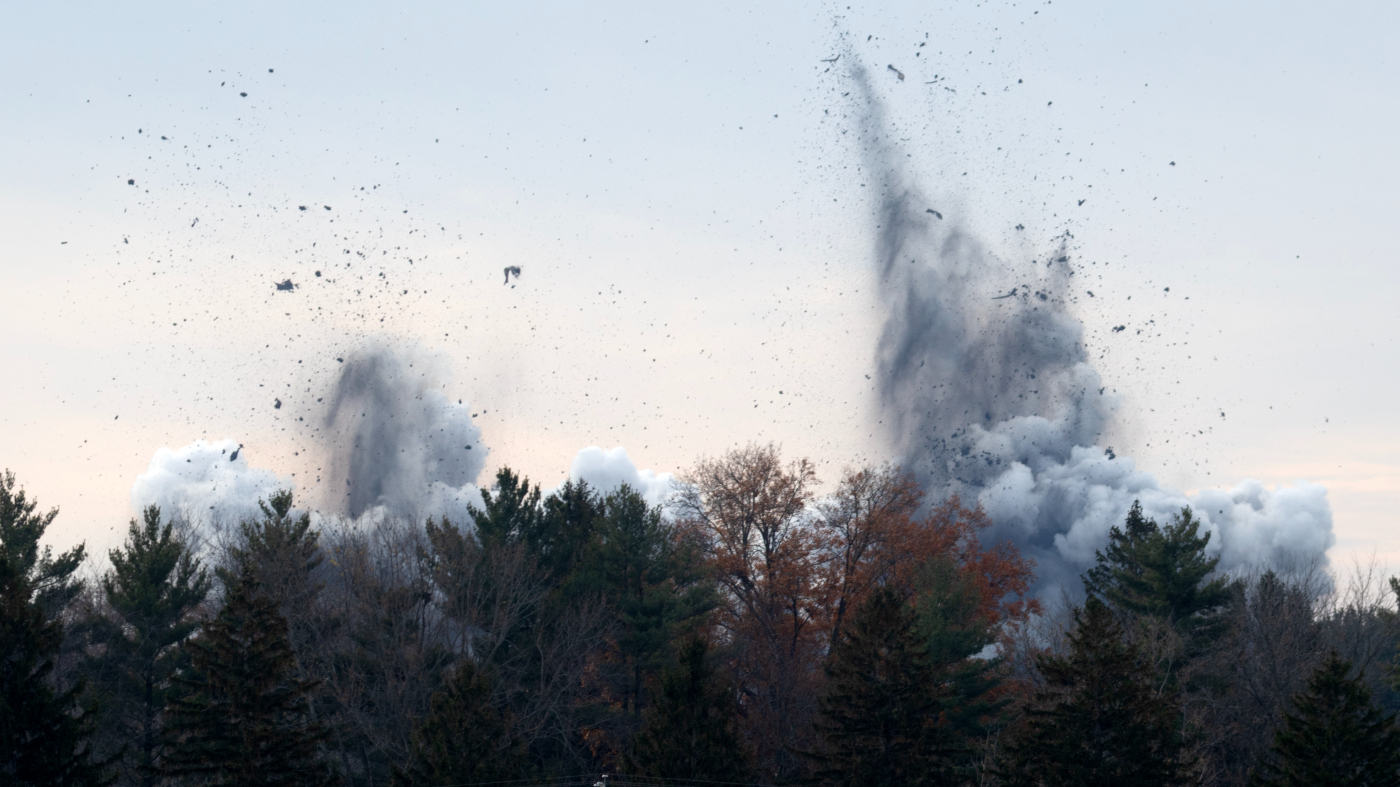
Initial lab results from the Environmental Protection Agency (EPA) showed the U.S. Army’s controlled munitions detonation in Iowa did not lead to elevated lead levels in drinking water, the agency shared Saturday.
“EPA found no lead in the 38 water samples taken post-detonation at public water supplies, which included samples of finished treated drinking water and untreated water at the intake,” it wrote in a Saturday press release .
The findings come after the Army carried out a controlled detonation of over 60 barrels of lead-azide munitions at the Iowa Army Ammunition Plant in Middletown, an operation which was shrouded in controversy due to potential public health concerns.
The EPA sampled 35 drinking water sources across Iowa, Illinois and Missouri before the detonation “to set a baseline,” according to the release. The agency noted some bodies of water — such as Mark Twain Lake, the Illinois River and the Mississippi River — already had low levels of lead before the blast, but they were well within the agency’s standard for drinking water.
“The lead was present in the samples prior to Wednesday’s controlled detonation, and, therefore, not caused by the explosion,” the release states.
The agency has been collecting samples of air, water, soil and dust in the surrounding area, with teams on the ground collecting samples from parks, playgrounds, schools, churches and other public spaces. The EPA also reported following the explosion that it hadn’t detected any traces of airborne lead particles .
Acting Army Secretary Adam Telle lauded the operation as a “success,” along with other members of the Trump administration — many of whom argued the blast prevented the risk of an “ accidental, uncontrolled detonation ” of the degraded munitions.
Environmental groups initially sued to stop the detonation , arguing it could release high levels of lead dust into the air, exposing communities to the toxic dust. Lead is highly dangerous to humans and animals, especially children, according to the EPA. Inhaling the toxins can pose health risks.
“We will continue to communicate transparently with the public as more data is received and validated,” the EPA said Saturday.
Topics in this story
Gathered from external sources. Rights to this text belong to whoever originally published it.