Remember Elon Musk’s warning that America will ‘1,000%’ go bankrupt? Well, US debt just soared through $40T
“We’re actually totally screwed.”
Moneywise and Yahoo Finance LLC may earn commission or revenue through links in the content below.
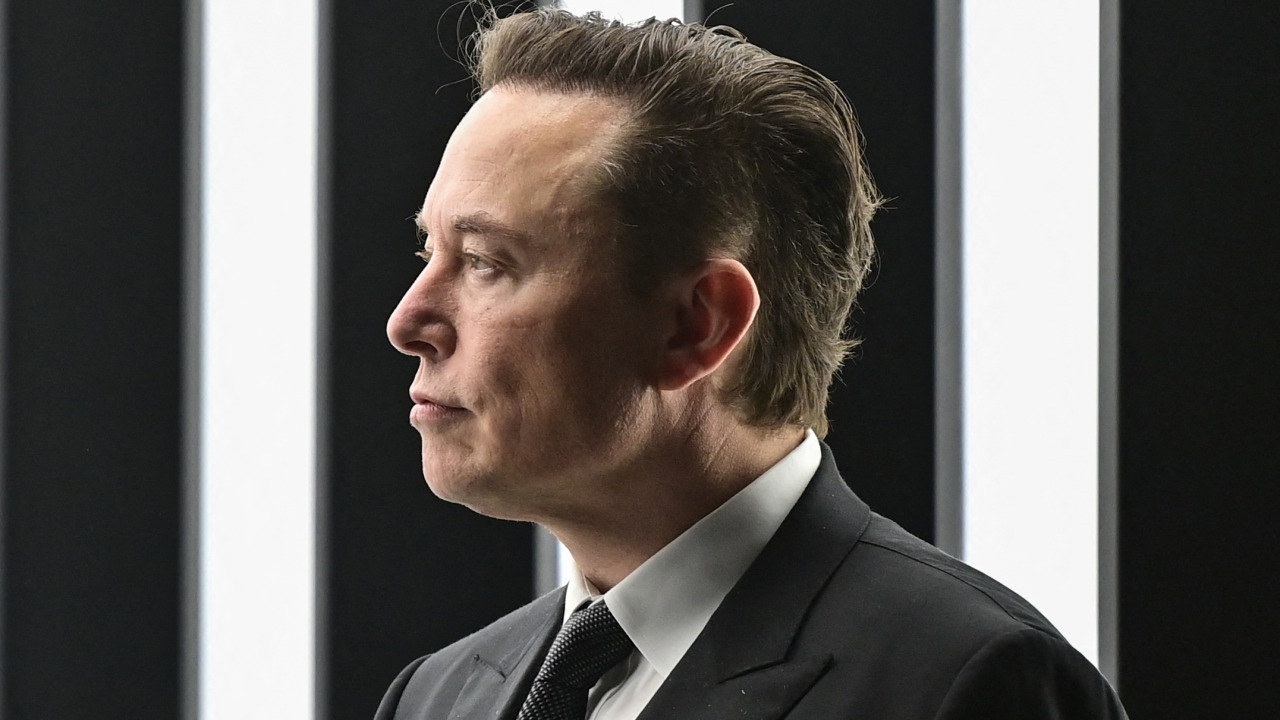
Elon Musk has been basking on his throne as the world's richest person, and largely based on the success of his U.S. companies. But when it comes to America's fiscal health, his warnings have been apocalyptic, not complimentary.
"In the absence of AI and robotics, we're actually totally screwed because the national debt is piling up like crazy," the Tesla CEO told podcaster Dwarkesh Patel earlier this year. "We are 1,000% going to go bankrupt as a country, and fail as a country, without AI and robots."
Jeff Bezos backs a platform that lets anyone invest in rental homes for as little as $100 — 6 ways to build wealth like a landlord without actually being one
JPMorgan sees gold hitting $5,000/oz by Q4 — and savvy investors are protecting their wealth with a tax-advantaged Gold IRA. Get your free guide from Priority Gold
The tax breaks in Trump's 'big beautiful bill' expire after 2028. Here are 4 moves to make before the window closes
Now, the pile has reached a level America has never seen before.
The U.S. national debt has officially surged through $40 trillion (1) — more than double its level at the beginning of 2017. Roughly $32.3 trillion is held by the public, while the remainder represents money owed to internal government accounts.
Crossing a big round number does not mean the federal government is about to declare bankruptcy in the way a struggling business might. But the speed and scale of the increase make Musk's underlying concern harder to dismiss.
Republicans and Democrats alike have kept borrowing — pandemic relief, persistent deficits, rising spending and the snowballing cost of servicing debt already on the books. The federal government has run a roughly $1.8 trillion deficit (2) so far in fiscal 2026 alone.
And debt has a way of feeding on itself. The more the government owes, the more interest it must pay. Those payments can require still more borrowing — particularly as older, cheaper debt is refinanced at higher rates.
The Congressional Budget Office (3) projects that federal net interest costs will reach $1.0 trillion in 2026 and climb to $2.1 trillion by 2036. Over the same period, debt held by the public is projected to rise from 101% to 120% of gross domestic product — shattering the previous record set just after World War II.
Here's the thing: For ordinary Americans, the danger isn't a $40 trillion bill showing up in the mailbox, but rather what it does to your money.
Topics in this story
Gathered from external sources. Rights to this text belong to whoever originally published it.