Trump’s tariffs were meant to shrink the trade deficit—but the $106 billion gap just reached its widest since before ‘Liberation Day’
The Trump administration has called the trade deficit a “national emergency,” but economists say it’s actually a sign of a resilient American economy.
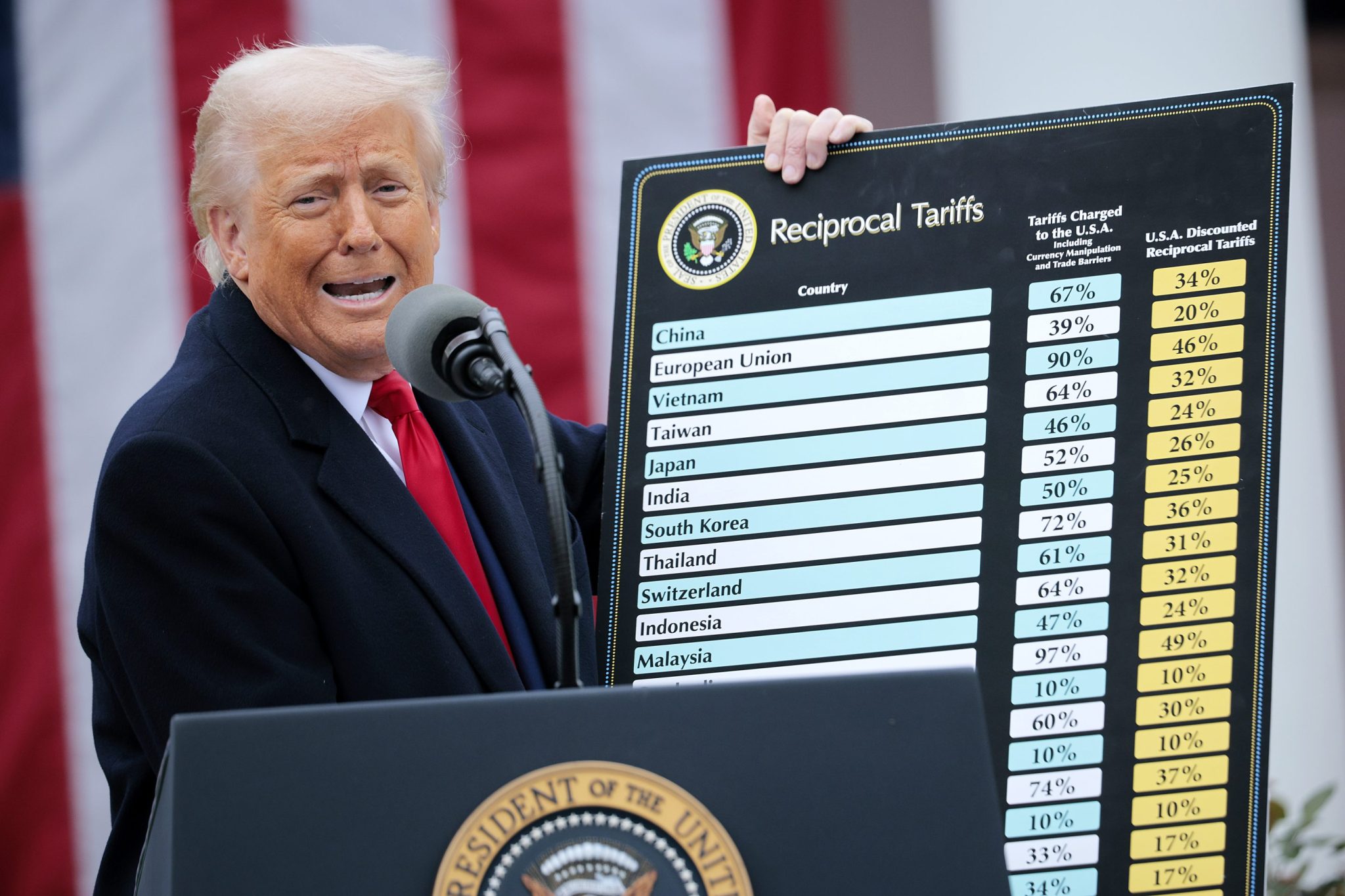
During President Donald Trump's announcement of "Liberation Day" in April 2025, which would bring with it a raft of aggressive tariffs, Trump claimed the import taxes would slash the U.S.'s stubborn trade deficit , or when a country buys more goods from overseas than it sells.
"They're a national emergency that threatens our security and our very way of life," he said at the time. "It's a very great threat to our country."
But 17 months later, the administration's import taxes haven't closed that deficit at all. In fact, the trade deficit is now the largest it's been since Trump implemented tariffs, and economists are pouring cold water on the very idea that a widening trade gap is even a threat.
The trade deficit grew by 13.7% to $105.6 billion from July to August, according to the Bureau of Economic Analysis, the highest it's been since March 2025's $140 billion . While imports increased by 4.3% to $420.8 billion, exports increased, but at a slower rate, growing 2.2% to $205.7 billion.
Experts suggest the growing deficit is largely a result of the AI boom, which has created a mass demand in the U.S. for overseas hardware, spiking imports. AI demand single-handedly added $200 billion to the U.S. trade deficit in April, according to the Federal Reserve Bank of Minneapolis.
"The U.S. economy does a bunch of stuff that other countries can't do; one of them is … this AI boom," Tarek Hassan, a professor of economics at Boston University, told Fortune . "And because of the AI boom, foreigners still want to invest in the United States, which is a good thing."
Tariffs have been the cornerstone of Trump's second administration, and the president has justified the levies with promises of more U.S. manufacturing jobs, as well as a cash windfall to be redistributed to the American people—neither of which has come to fruition.
To Trump, the trade deficit was representative of other countries taking advantage of the U.S., or of America's wealth leaving the country, and protectionist measures were the only way to restore U.S. trade dominance.
"Capital goods imports remain at a record high, more evidence that the President Trump's economic policies have led to a manufacturing renaissance." White House spokesperson Taylor Rogers told Fortune in a statement. "The president's push to reindustrialize the United States continues to pay off as trillions of dollars in manufacturing investments materialize."
But economists see things differently. They argue Trump's whipsaw tariff approach that was meant to slash the deficit was actually, in part, responsible for its widening. They also say they believe Trump's insistence on the gap being a negative economic indicator is actually ignoring evidence of a resilient U.S. economy.
Topics in this story
Gathered from external sources. Rights to this text belong to whoever originally published it.