Clayton to serve as interim national cyber director
Director of National Intelligence Jay Clayton has been tapped to serve as interim national cyber director while Kirsten Davies awaits Senate confirmation, according to a White House official. Davies, who has served as the Pentagon’s chief information officer since last year, was named the acting director of the White House’s Office of the National Cyber…
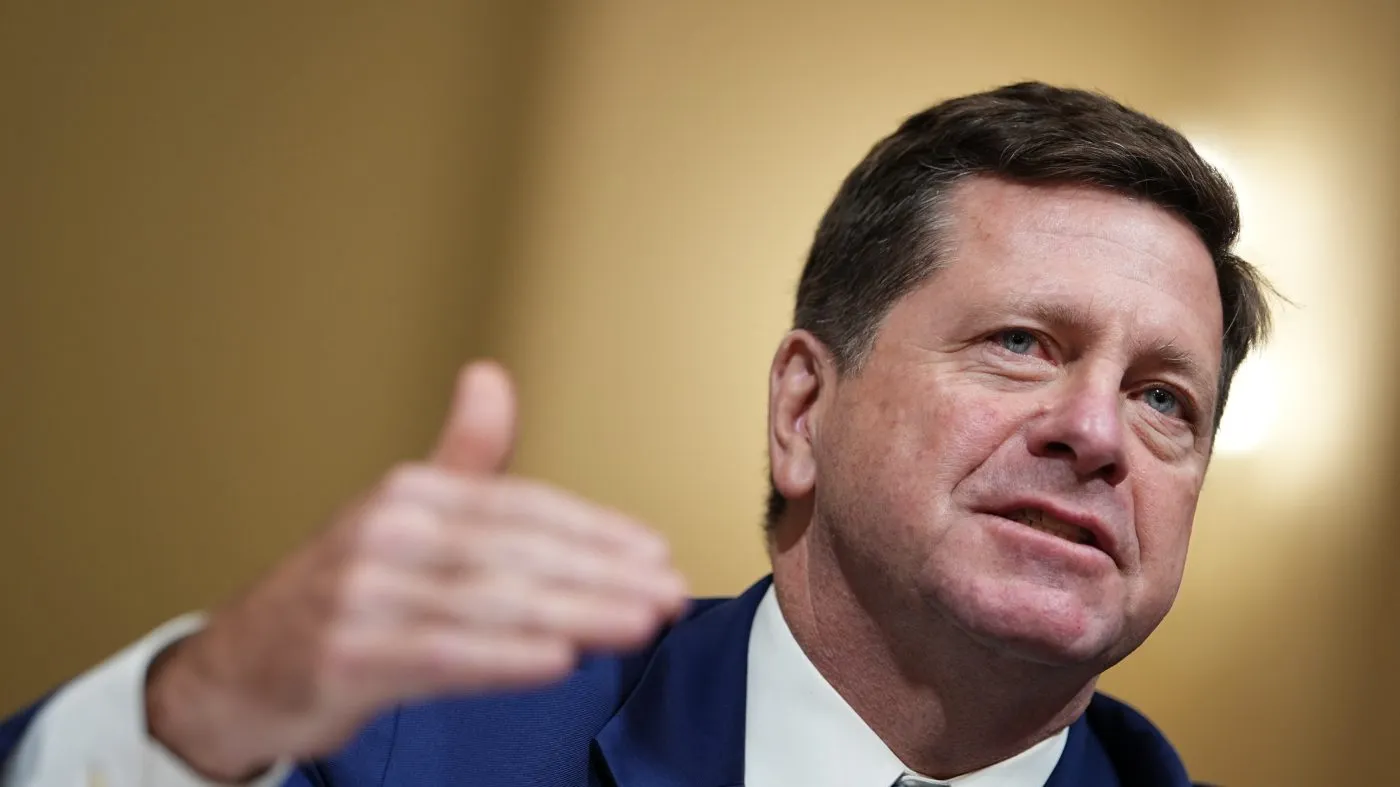
Director of National Intelligence Jay Clayton has been tapped to serve as interim national cyber director while Kirsten Davies awaits Senate confirmation, according to a White House official.
Davies, who has served as the Pentagon’s chief information officer since last year, was named the acting director of the White House’s Office of the National Cyber Director (ONCD) following the departure of Sean Cairncross .
Clayton said in a statement he is looking forward to “working with the ONCD team to ensure Kirsten has a seamless transition into her role.”
A White House official said President Trump decided to nominate Davies to be the national cyber director following the support she received from industry and government officials last week when he named her the acting director of the office.
While awaiting her confirmation, Davies will be a senior advisor for the agency to assist Clayton, the official added.
The official pointed to Clayton’s involvement with cybersecurity policy, including through his role as chair of the White House’s Super Intelligence Force . He was also named Trump’s AI — or “SI,” as the president calls it — czar to oversee the government’s policy on the technology’s development.
“I’m excited to work more with Kirsten, who has the experience and capabilities needed to help America navigate our increasingly complex and powerful digital infrastructure as our next National Cyber Director,” Clayton said.
Cairncross was let go as national cyber director last week and a White House official later said the president believed he did not have the proper cyber credentials for the job.
While the Office of the National Cyber Director has often managed to keep a lower profile in past presidencies, the advancements of AI have propelled cybersecurity concerns to the forefront over the past year as the tool becomes a potential weapon for adversaries and hackers.
The agency manages cybersecurity policy and strategy across the federal government.
Cairncross reportedly clashed with other leaders of the president’s Cabinet on these issues.
He allegedly believed the Treasury Department had become too involved with the team’s efforts, but Treasury Secretary Scott Bessent and his allies argued Cairncross had not been urgent with responding to questions about AI, according to Axios, which first reported on his departure.
Topics in this story
Gathered from external sources. Rights to this text belong to whoever originally published it.