Pennsylvania warns doctors about rising rates of rare congenital measles
The Pennsylvania health department issued a warning to doctors Monday about an increase in measles cases during pregnancy, along with rising concern about congenital measles, a disease rarely seen in the U.S. The department’s alert said congenital measles — a measles infection in a newborn contracted from the mother — was identified “for the first…
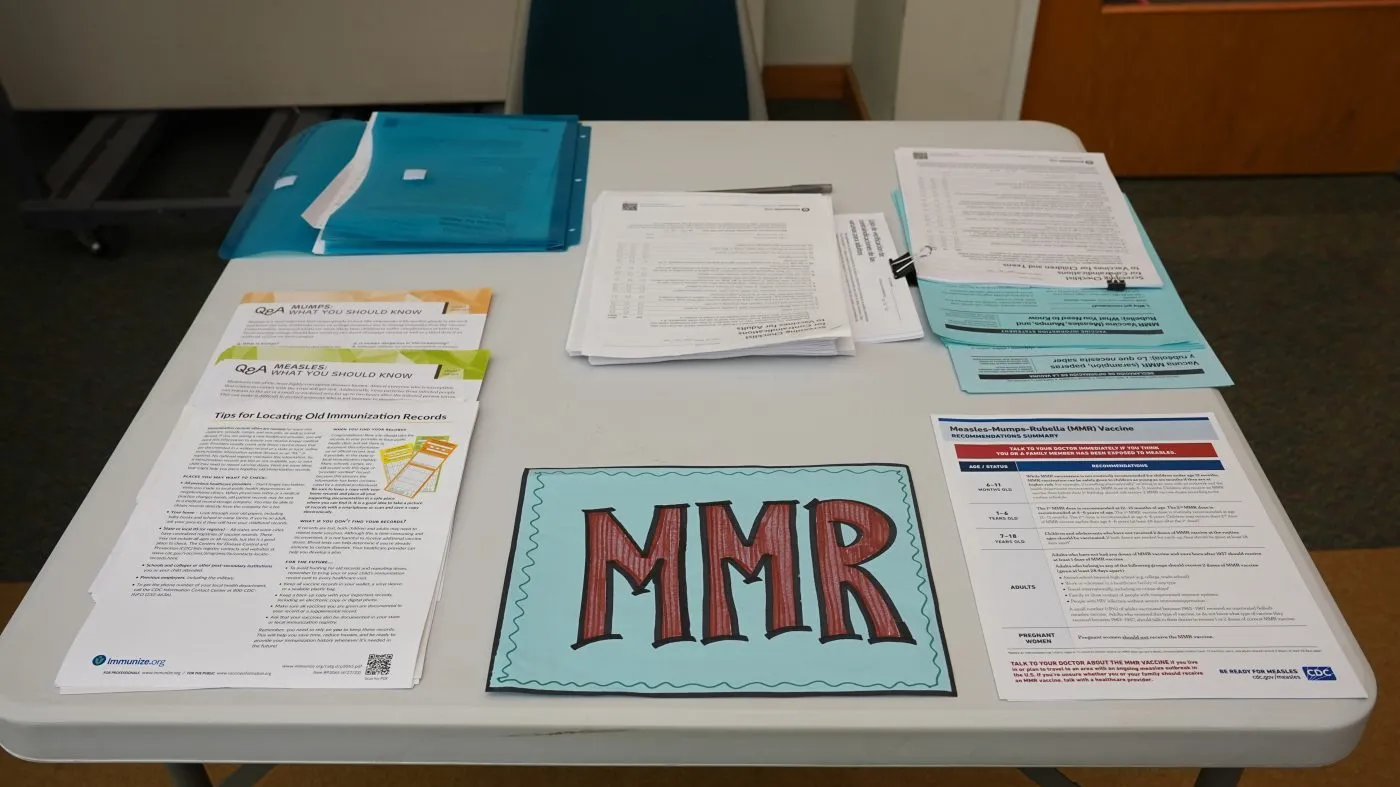
The Pennsylvania health department issued a warning to doctors Monday about an increase in measles cases during pregnancy, along with rising concern about congenital measles, a disease rarely seen in the U.S.
The department’s alert said congenital measles — a measles infection in a newborn contracted from the mother — was identified “for the first time in decades.”
There are more than 1,200 measles cases in Pennsylvania, and the health department has confirmed five deaths, though a sixth death was reported earlier this month in Franklin County.
Few pediatricians have treated a newborn with congenital measles, presenting a clinical challenge for physicians.
In response to rising cases, the American Academy of Pediatrics (AAP) added a “frequently asked questions” page about congenital measles to its website in September.
According to the AAP, an estimated 25 percent to 30 percent of babies with mothers who have a measles infection at birth are also infected. Only measles infections that occur in the last two weeks of pregnancy or the first 10 days postdelivery are considered congenital.
Congenital measles was uncommon in the U.S. before the measles vaccine was introduced in the early 1960s because most women had been infected as children. But as vaccination rates plummet and measles outbreaks become more common, congenital measles is making a comeback.
In its alert, the Pennsylvania health department urged women to get the measles, mumps, rubella vaccine (MMR) before pregnancy. MMR is not recommended once pregnancy begins because it is a live virus vaccine.
Contracting measles while pregnant increases the risk of miscarriage, early labor and low birth weight, the department said. Babies who contract measles before or during birth can also become very sick and are at risk for health complications later in life.
Nonimmune pregnant women and babies who are exposed to measles have a six-day window where they can be given immunoglobulin, which can provide protection against measles infection or reduce the risk of serious illness among susceptible people.
Still, vaccination is the best way to prevent measles. If exposure happens to a pregnant woman who received the two-dose MMR series, she should be protected against the virus.
Topics in this story
Gathered from external sources. Rights to this text belong to whoever originally published it.