Drugmakers still struggling to keep up with spiking estrogen patch demand
The pharmaceutical industry is warning that estrogen patches continue to be in shortage in the U.S. as manufacturers struggle to keep up with increased demand linked to federal policy changes issued earlier this year, even as regulators have yet to recognize a lack in supply. Manufacturers first reported issues with supplying demand earlier this year…
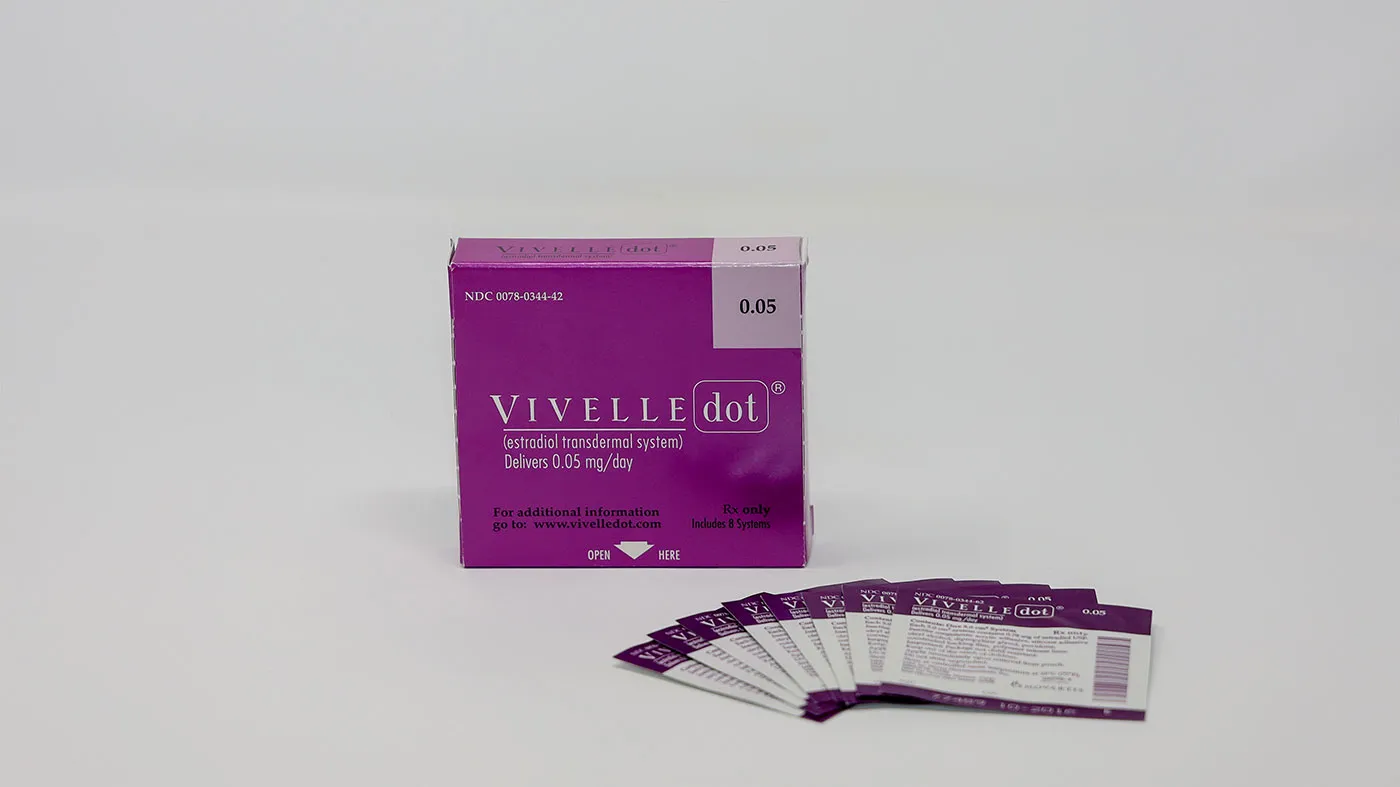
The pharmaceutical industry is warning that estrogen patches continue to be in shortage in the U.S. as manufacturers struggle to keep up with increased demand linked to federal policy changes issued earlier this year, even as regulators have yet to recognize a lack in supply.
Manufacturers first reported issues with supplying demand earlier this year after the Department of Health and Human Services (HHS) in November lifted the black box warning on estrogen patches containing estradiol that had suggested the medications could accelerate preexisting breast cancers.
Transdermal estradiol is used to treat symptoms of menopause like hot flashes, prevent osteoporosis or replace estrogen in patients who are naturally deficient.
In March, manufacturers cited the lifting of the black box warning by the Food and Drug Administration (FDA) as having spurred heightened demand.
The American Society of Health-System Pharmacists (ASHP) tracks supply disruptions and shortages at the manufacturing level and currently lists more than a dozen products from five manufacturers as being in shortage.
Products made by Sandoz account for the largest share of patches that are in shortage.
“Unfortunately, the market is currently experiencing supply challenges affecting HRT patches, driven by external factors including a global shortage and a significant rise in demand for this menopause treatment,” Sandoz said in a statement to The Hill, referring to hormone replacement therapy. “Recent changes in prescribing behavior due to the FDA’s removal of boxed warnings on these products have created an unprecedented demand that cannot be fully met at present.”
Viatris, another maker of the patches, told The Hill that it is “committed to supporting patient access to this needed treatment.”
“While we continue to meet our current supply plans, we know demand for this product has increased,” Viatris said in a statement. “As a result, we have been taking steps to optimize our capacity and further expand production long-term.”
The other three drugmakers — Amneal Pharmaceuticals, Noven Pharmaceuticals and Zydus — did not immediately respond when reached for comment. The ASHP noted that Amneal, Viatris and Zydus did not provide a reason for their shortages. Like Sandoz, Noven blamed an increase in demand.
Other estradiol patch products from Viatris, Amneal and Bayer continue to be available.
The rise in demand for estrogen patches predates the FDA’s lifting of the black box warning. According to data from the health analytics firm Truveta , the number of women receiving estrogen-based HRT has increased by 184 percent since 2018.
In its analysis, Truveta found that estrogen HRT use increased across all age groups, with the highest jump seen in women between 45 and 54 years of age. The firm also observed that this jump in use coincided with a cultural shift in how menopause is more openly discussed.
“Public figures including Oprah Winfrey and Michelle Obama, among others, have shared their personal experiences with menopause in an effort to bring greater visibility to a topic that has been historically ignored,” Truveta noted. “These efforts have contributed to a broader cultural shift, increasing awareness of menopausal symptoms and available therapies and encouraging more women to seek care.”
Prominent A-list figures such as Halle Berry have taken the conversation on menopause to Capitol Hill . Berry is a founder of the advocacy organization Respin.
And this change in culture has ushered in a boom in the industry, which some have termed the “ menopause gold rush .” According to data from Grand View Research , the global menopause market is expected to hit $24.35 billion by 2030.
While estrogen patches are in shortage at the company level, the FDA has not yet added estradiol patches to its list of drugs in shortage, indicating that what is currently available in the U.S. is sufficient to meet demand and that other manufacturers have been able to absorb some of the disruptions.
According to the United States Pharmacopeia (USP), a nonprofit aimed at increasing the supply of medicine, this dichotomy between manufacturers and the FDA indicates the estrogen supply chain is “constrained.”
The USP noted that estrogen HRT products are “chronic-use” and so even brief interruptions or constraints can lead to patients pausing or halting therapy completely.
In its risk assessment issued this month, the USP Medicine Supply Map identified vulnerabilities in the supply chain for estradiol products, the chief vulnerability being that all key starting materials for the product are produced solely in China.
Estrogen HRT comes in many forms, including oral as well as other transdermal estradiol products like gels and sprays. When manufacturers began to fall behind on demand, physicians noted that their patients can easily pivot to these other forms of therapy.
Like with all medications, however, there are drawbacks and advantages to each option.
Patches are preferred by some patients because they carry a lower risk of venous blood clots than oral therapy, it’s a more convenient option than a daily pill, and the dose is administered at a more steady, continuous rate.
“A shortage forces abrupt discontinuation or switching among strengths and brands, which can return disruptive symptoms, undermine bone-protective therapy, and push patients toward higher-clot-risk oral alternatives,” the USP’s assessment stated.
HHS told The Hill in a statement that the manufacturers of estrogen patches “are reporting they are continuing to manufacture at full capacity and are working to keep up with the increased demand that has occurred and are currently reporting availability.”
“We are working with all of the manufacturers on ensuring that supplies meet demand and will continue to offer our assistance on anything they need to increase supply,” the statement reads. “If these products fall into shortage nationally, the FDA will post on our website at that time, with availability information from the companies along with their next releases and planned duration of the shortage, and compounders could make product following all applicable laws. Currently, these products are not in shortage. We continue to monitor supply and are offering our assistance to the manufacturers with anything needed to increase supply.”
Topics in this story
Gathered from external sources. Rights to this text belong to whoever originally published it.