Brainstacking: Can the latest TikTok trend actually reverse brain rot?
TikTok’s latest trend claims to help combat brain rot and reduce doomscrolling with analog hobbies.
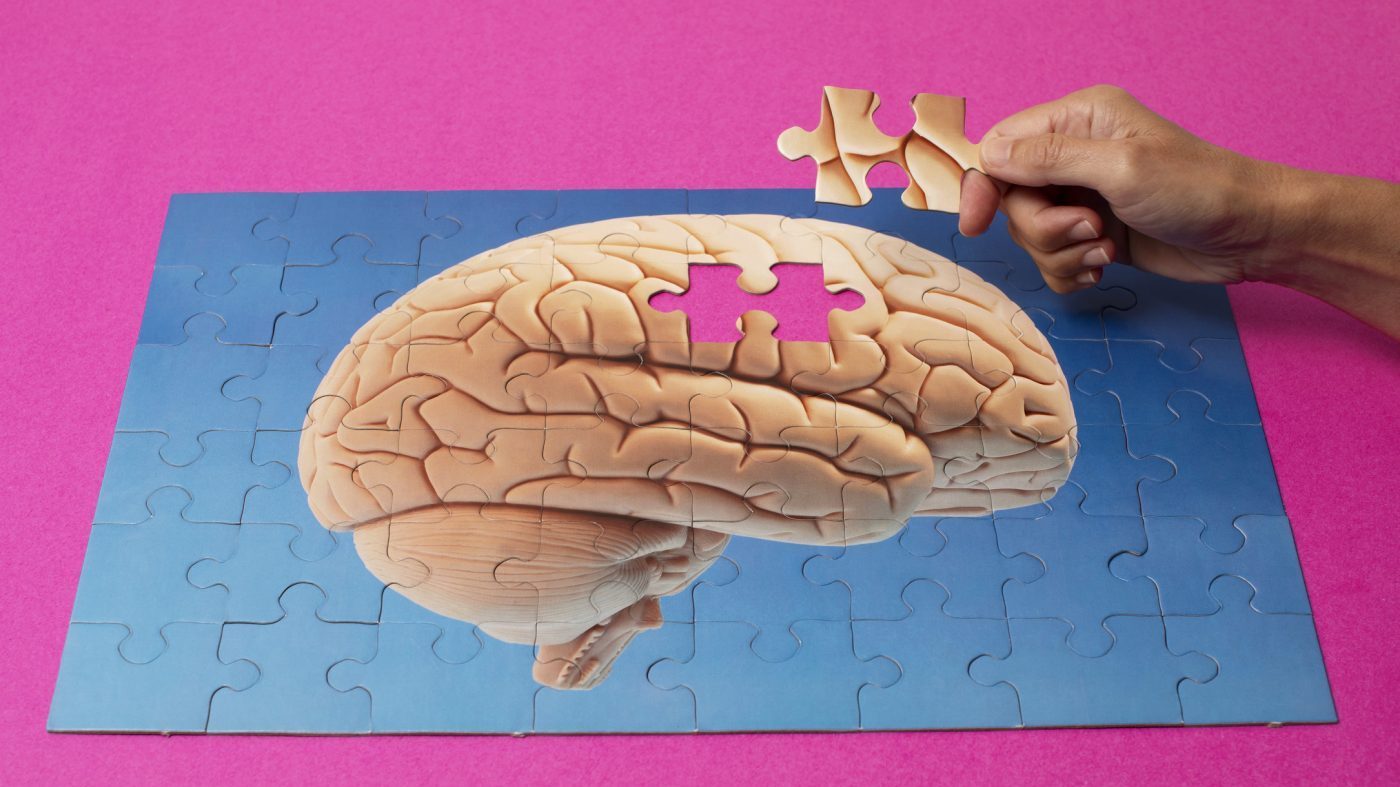
( NewsNation ) — Brainstacking is the latest wellness trend sweeping TikTok , with users sharing a new habit to try to reverse brain rot and stop doomscroolling.
TikTok creator Mandy Rulez popularized the trend, which features users showing off a stack of activities designed to engage the brain and cut down on screen time .
Brainstacking videos showcase aesthetic routines , with creators lighting candles and sipping lattes while showing off a stack of curated activities. There are videos showing people doing this at home, taking a trip to their library and shopping for the perfect aesthetic supplies.
TikTokers show themselves brainstacking in the morning to kick off the day or in the evening to combat job stress and wind down.
The routines vary, but typical activities include journaling, puzzle books like crosswords, Sudoku or Murdle, coloring, and reading nonfiction and fiction books.
Proponents of brainstacking say it boosts brainpower. Critics have called it performative and criticized the use of timed activities rather than more fluid ways of engaging with hobbies.
But can brainstacking really help the brain?
The risks of too much screen time for children are well known. But adults can also feel the negative impacts of spending too much time scrolling, with studies finding that more than two hours of screen time per day can harm learning, memory and mental health, hinder sleep and increase the risk of brain-related diseases like Parkinson’s and dementia .
Social media has been found to be addictive , though even a short break from the apps has been shown to help combat the negative effects.
Do studies back brainstacking activities?
Brain games, like logic puzzles, Sudoku, and crosswords, have long been touted as having cognitive benefits, especially as people age (though most brainstackers are in their 20s). However, the actual research is murkier, with most benefits found in improving specific skill sets rather than overall brain health.
Studies have found an association between cognitively engaging hobbies and a lower risk of cognitive impairment and delayed dementia. But no double-blind, controlled trials exist to prove such a link.
Journaling, a staple in brainstacking, has been shown to have mental and emotional benefits. Studies have shown that writing down our thoughts helps to improve memory, reduce anxiety and depression and ease psychological distress.
Writing by hand, rather than using a digital journal, has proven to improve memory and comprehension and help process emotions.
Coloring has also been shown to benefit adults, supporting mindfulness and stress relief. It may also help with sleep and can improve motor skills.
Reading makes up the centerpiece of many brainstacks. Creators feature both nonfiction and fiction books, focusing on learning and reading for pleasure.
The educational benefits of nonfiction are more self-explanatory: nonfiction books help with critical thinking and offer an opportunity to learn about any subject one desires.
While fiction, especially popular novels , may be viewed as frivolous, studies show that reading fiction improves memory and self-control, strengthens social skills and builds empathy.
Topics in this story
Gathered from external sources. Rights to this text belong to whoever originally published it.