STIHL chief: Time for reforms — this is how we retain prosperity and the welfare state
Germany's economy has been in crisis for years, writes Nikolas Stihl in an OpEd for Euronews. Better business conditions are key to breaking the stagnation,...
The state of the German economy is serious, very serious. Over the past eight years, we've lost approximately 15 percent of our industrial production. Month after month, Germany loses around 15,000 industrial jobs. And the industrial base that underpins our prosperity is starting to erode. Private net investment has fallen to almost zero. On balance, companies are doing nothing more than replacing what wears out. High costs are paralyzing companies' willingness to invest. Even the special depreciation package (the "Investitionsbooster") that the German government introduced in mid-2025 has done nothing to change that.
And the industrial base that underpins our prosperity is starting to erode.
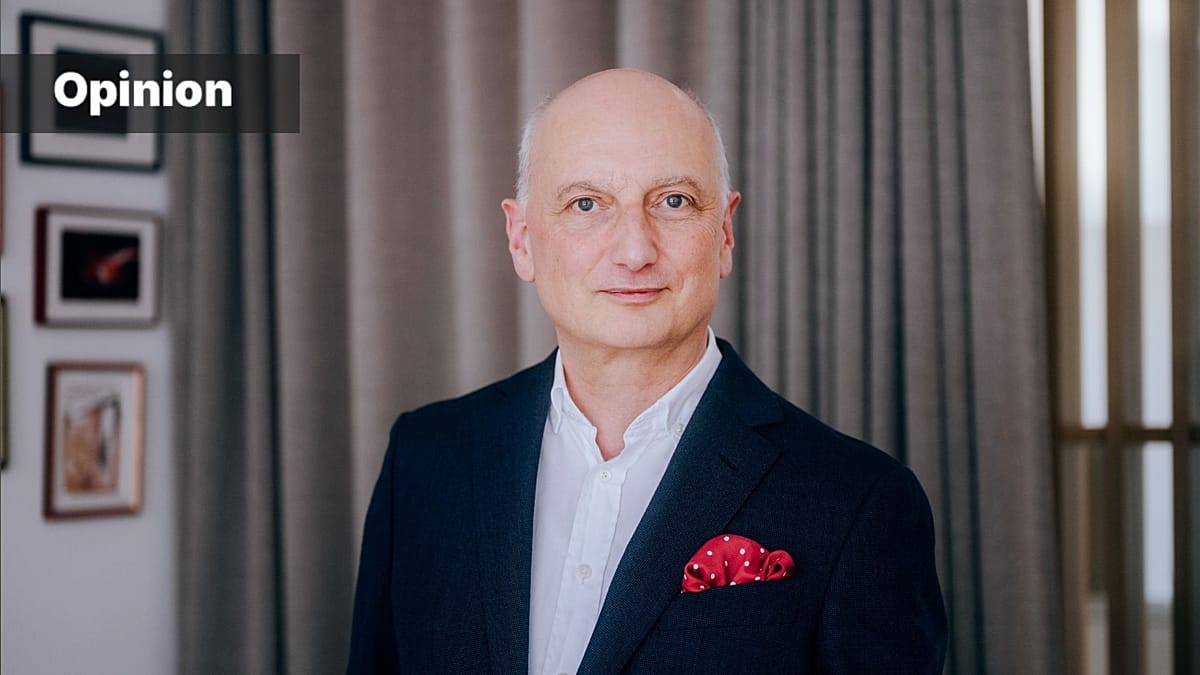
Dr. Nikolas Stihl, Chairman of the STIHL Advisory Board and Supervisory Board
Of course, US tariffs, China's aggressive industrial policy, and geopolitical tensions weigh on investment too. But the real problems are of our own making: an overregulated economy, high energy costs, high labor costs, high taxes, and falling levels of education and skills.
Planned reforms are not enough to reverse the economic trend
At the beginning of the year, many entrepreneurs had almost lost faith in Germany's ability to reform. In July, the German government surprised everyone with a reform of statutory health insurance, along with reform plans for pensions, taxes, and the labor market. This package isn't enough to pull Germany out of its structural crisis. But the current coalition showed it can compromise to help move the country forward. If those compromises were now unpicked and watered down, the damage to business confidence in politics would be devastating. The planned reforms are still not the breakthrough we were hoping for, the one that would actually turn the economy around.
Right now, we need to put everything into the next round of reforms, the ones that deliver real momentum for investment and growth. And that means the governing coalition, employers, and unions all stepping outside their comfort zones to live up to their responsibility for Germany. The special funds for defense and infrastructure will hardly lead to a self-sustaining upswing in the economy unless conditions for doing business here improve noticeably. The next reform steps have to keep cutting bureaucracy, raise the total hours worked, bring labor costs down, and give companies real reasons to invest in research and development.
The next reform steps have to keep cutting bureaucracy, raise the total hours worked, bring labor costs down, and give companies real reasons to invest in research and development.
Topics in this story
Gathered from external sources. Rights to this text belong to whoever originally published it.