Richmond Fed's Barkin says supply shocks aren't proving short-lived, leaves door open to further rate hikes
Richmond Federal Reserve president Tom Barkin said Tuesday that stubborn inflation, recently fueled by higher oil prices and tariffs, drove the central bank'...
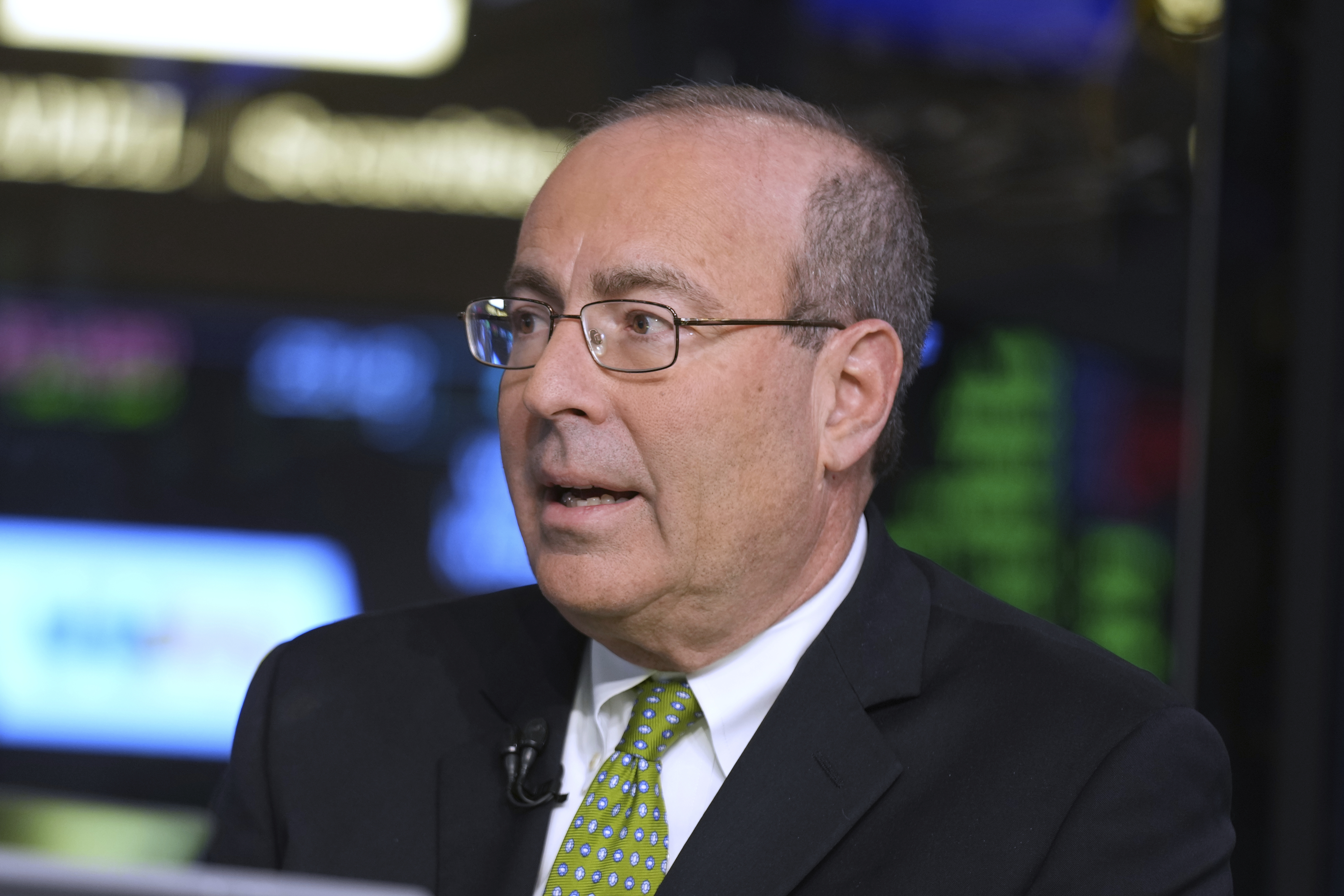
Richmond Federal Reserve president Tom Barkin said Tuesday that stubborn inflation, recently fueled by higher oil prices and tariffs, drove the central bank's decision to raise interest rates last week and leave the door open to further hikes.
"There was an argument that inflation would return to target on its own, without any additional help from the Fed," Barkin said in a speech in Baltimore. "One problem with that argument, of course, is that the 'passing' shocks aren't proving to be short-lived, or one-off events."
He noted new tariffs are still being imposed , the conflict in the Middle East is ongoing, and the build-out of AI continues to stress supply chains.
"These may pass in time, but I do expect it will take time," said Barkin. "In the interim, there is a risk that current elevated levels of inflation could affect future inflation… With inflation more than a percentage point above target, that's a problem."
Barkin underscored that inflation has been running above the Fed's 2% target for more than five years, and while oil has pushed up overall inflation this year, more than 60% of the Fed's preferred inflation measure — the Personal Consumption Expenditures index — is rising faster than 3% year over year.
Citing the Richmond Fed's monthly surveys, Barkin that noted growth in prices received has averaged 3.5% since late 2023, which is nearly double the average in the two years prior to the pandemic. The CFO Survey, which the Richmond Fed runs in collaboration with Duke University and the Atlanta Fed, showed firms expect to raise prices by 4.1% next year, more than double the 2019 average.
He noted the economy and the job market remain on solid footing and that while consumer spending is disproportionately driven by the well-off, those with fewer resources are still finding ways to maintain their spending.
On the business side, Barkin said companies are looking past the uncertainty that held them back last year because they can't afford to wait for certainty. Strong earnings give them courage, he said, while productivity improvements buy them wiggle room.
"The net of all this is more inflationary pressure. And that's why we needed to act," he said.
As for whether the central bank will need to raise rates further to bring inflation down, Barkin left the door open.
"We are committed to returning inflation sustainably to our 2% target. Last week's hike will help. Will additional hikes be required, and how many? We'll see," he said.
Topics in this story
Gathered from external sources. Rights to this text belong to whoever originally published it.