NIH to move remaining retired research chimps to sanctuary
The National Institutes of Health (NIH) announced Wednesday it will release the last government-owned research chimpanzees in early 2027 to a sanctuary, ending a decade-long effort to get the animals out of federal laboratories. The 34 chimpanzees, currently housed at the Keeling Center for Comparative Medicine and Research in Bastrop, Texas, will be transferred to…
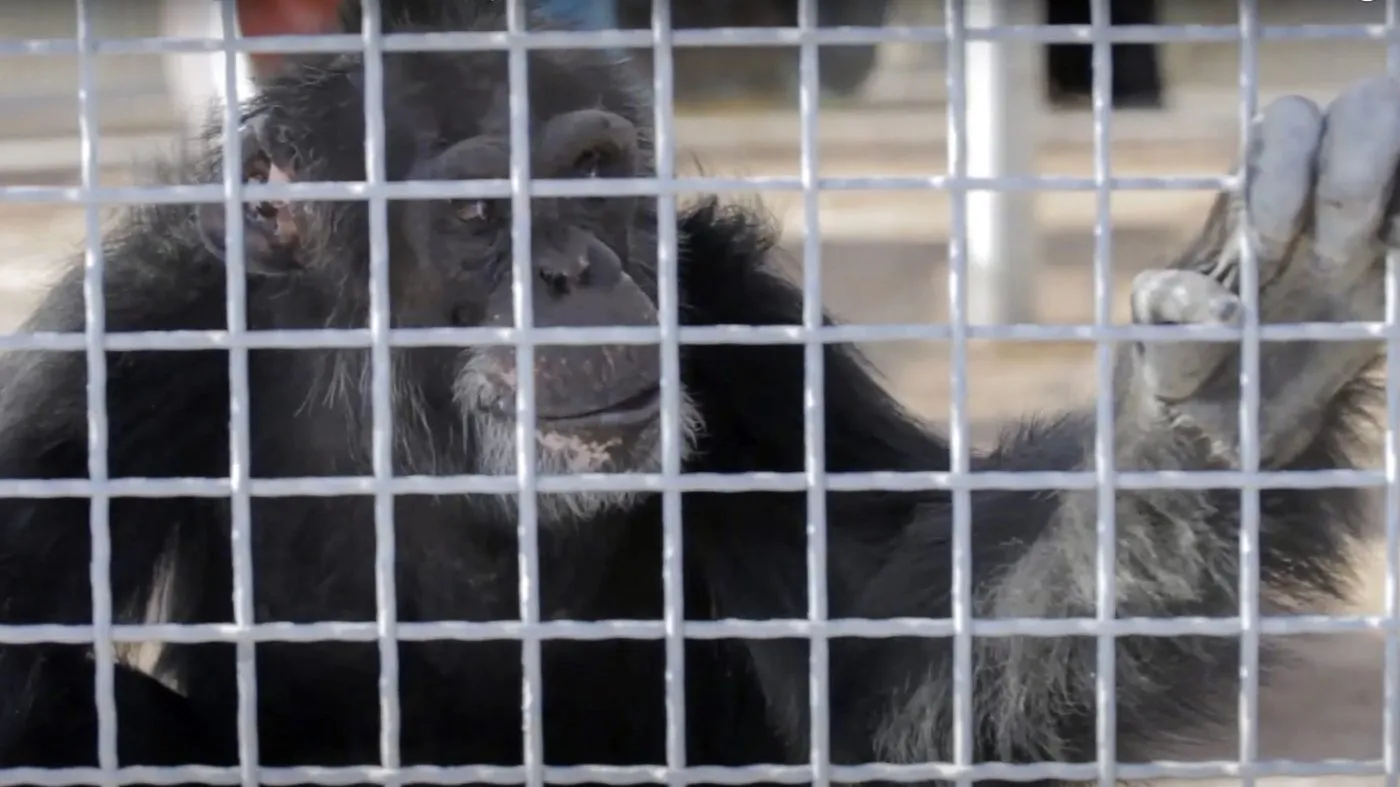
The National Institutes of Health (NIH) announced Wednesday it will release the last government-owned research chimpanzees in early 2027 to a sanctuary, ending a decade-long effort to get the animals out of federal laboratories.
The 34 chimpanzees, currently housed at the Keeling Center for Comparative Medicine and Research in Bastrop, Texas, will be transferred to Chimp Haven, a 200-acre Louisiana sanctuary that serves as the official retirement home for the government-owned apes, the NIH said.
“Completing their transfers will fulfill NIH’s commitment, announced in November 2015, to retire all NIH-owned chimpanzees to sanctuary,” NIH Director Jay Bhattacharya said in a statement.
Bhattacharya added the timing of the transfers, which are expected to begin early next year, will be “guided by the chimpanzees’ health, welfare and social groupings.”
The agency announced in 2015 it would no longer conduct or fund invasive research involving chimpanzees following outrage from animal rights activists calling to protect the endangered species.
Chimps were used historically for biomedical research on diseases such as HIV, hepatitis and cancer due to their biological similarities to humans. Scientists used the primates to study viruses and test the safety of medical treatments — including pharmaceutical drugs and radiation — until the NIH suspended funding for the practice in 2011.
The agency then pledged to retire all government-owned animals to sanctuaries, citing an independent assessment of the usefulness of chimpanzees for biomedical research and the designation of all chimps as endangered under the Endangered Species Act in 2015.
“We find no evidence that there is a need to continue to do research of an invasive sort on chimpanzees, not now and not going to in the future,” then-NIH Director Francis S. Collins said at the time.
Since then, more than 200 chimpanzees have been relocated to Chimp Haven in Keithville, Louisiana. At Chimp Haven, the animals live in large, forested areas and social groups designed to resemble their natural habitats.
“This has been a long road and something that many people thought would never happen,” Kathleen Conlee, vice president of animal research issues at Humane World for Animals, said in a statement to The New York Times . “It’s a really historic moment. This will be the end of the government’s use and confinement of chimps in labs.”
Topics in this story
Gathered from external sources. Rights to this text belong to whoever originally published it.