FEMA officials weigh changes including less DC ‘centralization’ and ‘realigning’ some staff
The Trump administration is eyeing changes to the structure of the Federal Emergency Management Agency (FEMA), including less “centralization in Washington, D.C.,” according to two recent memos obtained by The Hill. One, sent out by FEMA Administrator Cameron Hamilton last week, said the agency “must reduce unnecessary centralization in Washington, D.C. and strengthen the roles…
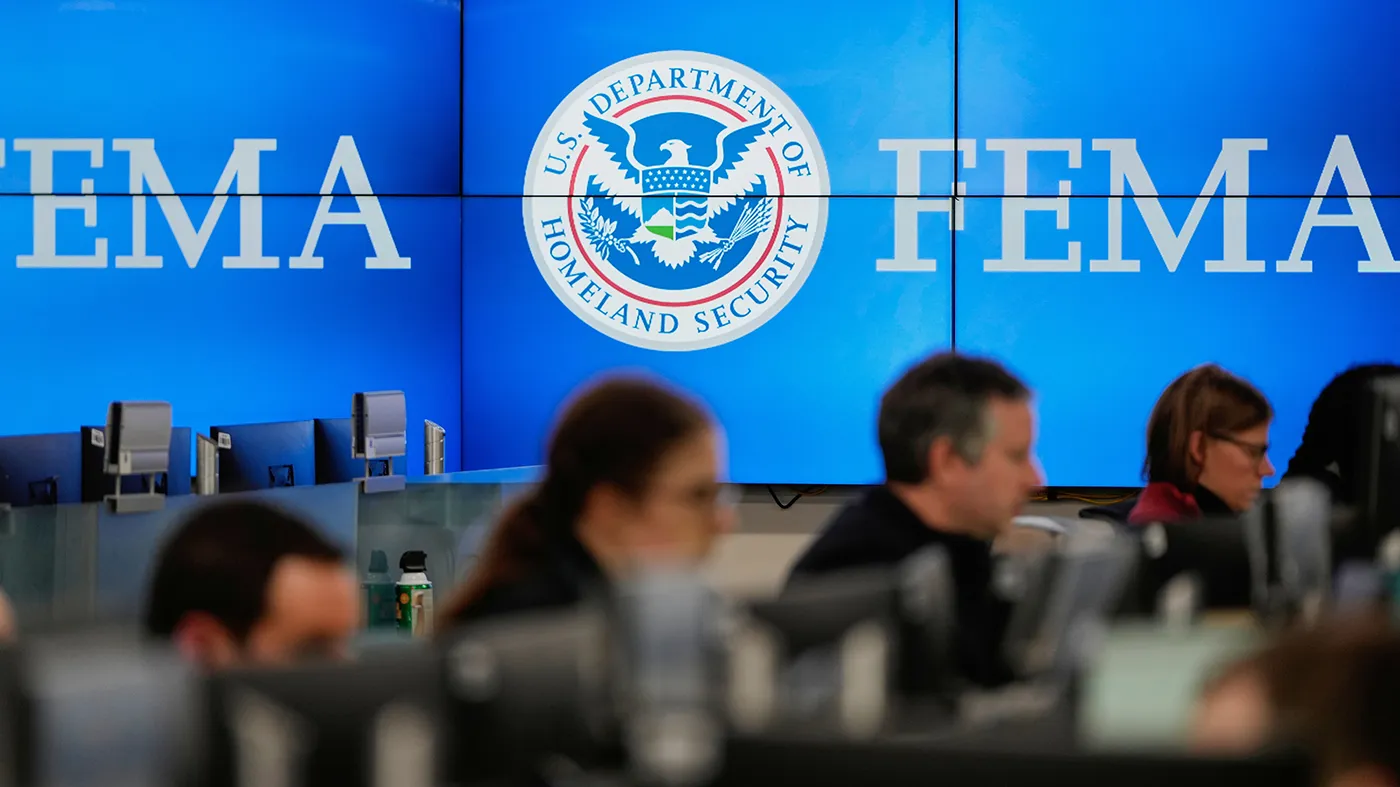
The Trump administration is eyeing changes to the structure of the Federal Emergency Management Agency (FEMA), including less “centralization in Washington, D.C.,” according to two recent memos obtained by The Hill.
One, sent out by FEMA Administrator Cameron Hamilton last week, said the agency “must reduce unnecessary centralization in Washington, D.C. and strengthen the roles of states, regional offices, field leaders and front-line personnel.”
The memo did not say what exactly that would entail. It said FEMA’s regional and field teams, as well as state and local officials, are “well positioned to understand operational conditions … and make timely decisions within established authorities.”
The Hill has reached out to the agency for more information.
More broadly, the memo sought to lay out a strategic direction for the embattled agency, saying it should aim to “reduce federal government dependency,” “deliver America first resilience,” “return power to the American people” and “strengthen national security.”
It comes as the Trump administration has repeatedly indicated that states need to be doing more and the federal government should share less of the cost of preparing for and responding to disasters.
In a separate memo dated Oct. 6 and viewed by The Hill, top FEMA officials suggested “sunsetting” certain FEMA offices and “realigning” others.
It was addressed to Hamilton from Jonathon Myers and David Arnold, both FEMA associate administrators; and Paul Judson, FEMA’s chief financial officer. It’s not clear whether it will ultimately be acted upon.
The memo considered sunsetting offices related to resilience, specifically the resilience-related Office of Business Management, the Office of Resilience Strategy and Resilience Analysis, and the Planning and Information Directorate.
The memo said the agency should “perform a wholesale move and realign all employees from the Office of National Continuity programs” as part of an effort to integrate national security into the agency. It also said FEMA should “realign as necessary” from the Hazard Mitigation Assistance programs in order to support a new mitigation grants division.
The memo further suggested the “consolidation” of the National Flood Insurance Program functions, and it said there is a decision required on whether to “realign employees as necessary” from the Building Resilient Infrastructure Communities branch — a program that helps pay for infrastructure upgrades that help communities prepare for extreme weather. Last year, the Trump administration attempted to shut the program down but was stopped in court.
The Hill has reached out to FEMA for more information on this memo as well.
The disaster response and prevention agency has been in the Trump administration’s crosshairs, with both the president and then-Homeland Security Secretary Kristi Noem suggesting it be eliminated.
Their rhetoric later shifted away from eliminating the agency wholesale, but officials have still sought to have FEMA pay for less and put states on the hook to cover more costs.
When he was facing confirmation, Homeland Security Secretary Markwayne Mullin said that FEMA should be “ restructured, not eliminated .”
Earlier this year, the administration announced formal recommendations for changes at FEMA that included reviewing agency staffing; shifting more responsibility to state, local and tribal authorities; privatizing flood insurance; increasing the threshold for declaring major disasters; and unlocking the additional funding that comes with it.
Meanwhile, agency staffing has dwindled during the Trump administration amid the turmoil at FEMA. In August, the nonpartisan Government Accountability Office said more than 4,300 staffers departed FEMA in fiscal 2025 — more than double the departure rate in fiscal 2024. The office said as of May an additional 2,500 staffers left during fiscal 2026.
Topics in this story
Gathered from external sources. Rights to this text belong to whoever originally published it.