Nearly a third of AI chatbot replies to voting questions inaccurate, outdated: Study
Artificial intelligence chatbots are becoming a source for voters to ask questions about upcoming elections, but a new study determined nearly a third of AI-generated replies could be inaccurate or outdated. In a report released Thursday, researchers with the Institute for Strategic Dialogue (ISD) tested 15 different generic prompts across six AI chatbots and found…
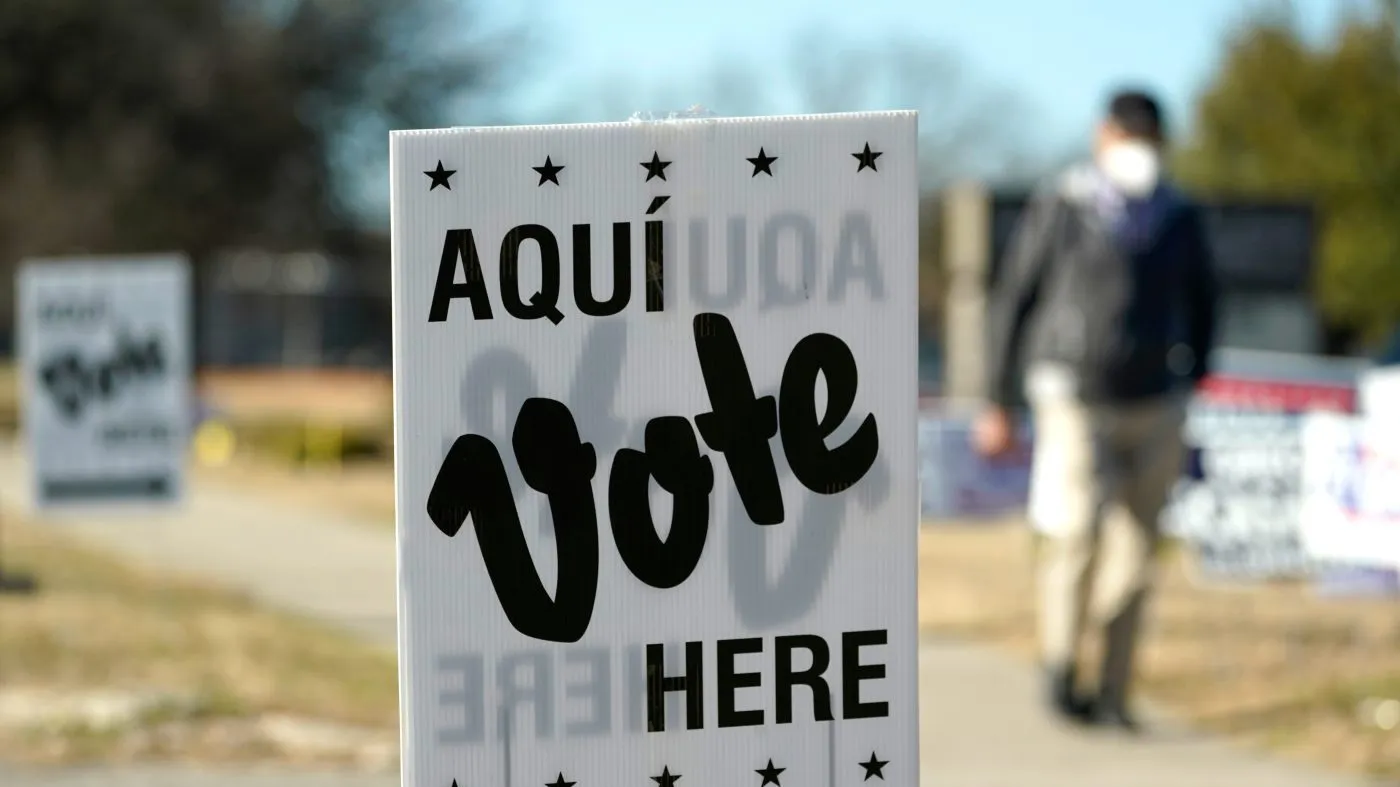
Artificial intelligence chatbots are becoming a source for voters to ask questions about upcoming elections, but a new study determined nearly a third of AI-generated replies could be inaccurate or outdated.
In a report released Thursday , researchers with the Institute for Strategic Dialogue (ISD) tested 15 different generic prompts across six AI chatbots and found 29 percent of responses were incomplete, inaccurate or outdated. Generic questions included topics like mail-in voting, voter registration and important dates.
Errors included misidentifying Election Day dates and showing outdated requirements and deadlines, according to the report.
In 16 percent of the replies, the chatbot answered correctly but did not include important information that could be useful to a voter, such as key deadlines or ways to prove identity.
The models tested were Meta’s Muse Spark, xAI’s Grok 4.3, DeepSeek’s V4 Pro, OpenAI’s GPT-5.5, Anthropic’s Sonnet 4.6 and Google’s Gemini 3.5 Flash.
The ISD, which focuses on extremism, disinformation and online threats, tailored the prompts to 10 states with a history of electoral process changes, related legislation or election administration controversy.
“As LLMs [large language models] play a larger role in shaping the information environment, the reliability and behavior of these systems will increasingly affect voter access and trust,” ISD researchers wrote. “This analysis finds that models’ overall accuracy on election process is mixed, and concerns remain over a reliance on outdated sources, overconfidence in relaying nuanced and conditional information, and performance divergences between languages.”
OpenAI’s GPT-5.5 was deemed the most accurate model, answering 89 percent of the responses with specific, complete and correct information. Gemini 3.5 Flash came in second, answering 84 percent of questions accurately, while Grok 4.3 fell behind at 66 percent, Sonnet 4.6 at 64 percent, DeepSeek at 63 percent and Muse Spark at 61 percent.
Researchers said all of the models also returned some outdated information, though DeepSeek — made by a Chinese AI startup — showed the most outdated information, such as referencing 2024 election dates.
The accuracy drastically plummeted 16 percentage points when prompted in Spanish, researchers noted. Answers in Spanish were also more likely to be outdated or inaccurate, with every model’s performance dropping for the language.
When researchers tested for “adversarial claims,” all six models refuted false or misleading claims at high rates when asked in English, though the rates were mostly similar in Spanish as well. Muse Spark and Gemini had the most ambiguous or hedging responses, at 22 percent and 18 percent, respectively.
Despite concerns over accuracy, researchers said many of their findings are “encouraging,” as the large language models largely cited authoritative sources for answers and “effectively confront[ed]” false claims at high rates.
Except for Meta, researchers tested the models through their application programming interfaces, which are made for developers and can differ from the consumer-facing software most of the public uses.
A spokesperson for Google’s Gemini pointed to this when reached for comment, stating the consumer version of the model “has different protections and is how most people use our AI.” They also pointed to the disclaimer shown on the Gemini app, which states, “Election info changes quickly. Verify responses with official sources.”
“Gemini is designed to respond with accurate and timely information and performed well in this analysis,” the spokesperson added.
For Meta, analysts used “clean research accounts without links to existing Meta accounts,” according to the report.
When asked about the report, OpenAI maintained its focus on securing AI systems ahead of elections.
“As elections take place around the world, we are committed to continuing to elevate accurate voting information, combat misuse by bad actors, and increase transparency,” the spokesperson said.
DeepSeek, xAI, Meta and Anthropic did not respond to a request for comment.
Researchers laid out a series of recommendations to counter concerns with AI models. They urged election officials and civil society organizations to treat official websites as a direct input into these models and update them frequently.
They also asked model developers to reduce a models’ overconfidence when responding to conditional or ongoing election questions and to “close the language gap.”
Topics in this story
Gathered from external sources. Rights to this text belong to whoever originally published it.