Top House Democrat unveils surprise medical billing overhaul
New legislation from Rep. Frank Pallone Jr. (N.J.), the top Democrat on the powerful House Energy and Commerce Committee, aims to overhaul a key part of a law that protects patients from surprise medical bills. The new bill aims to fix what Pallone and critics say is the flawed dispute resolution system between insurers and providers.…
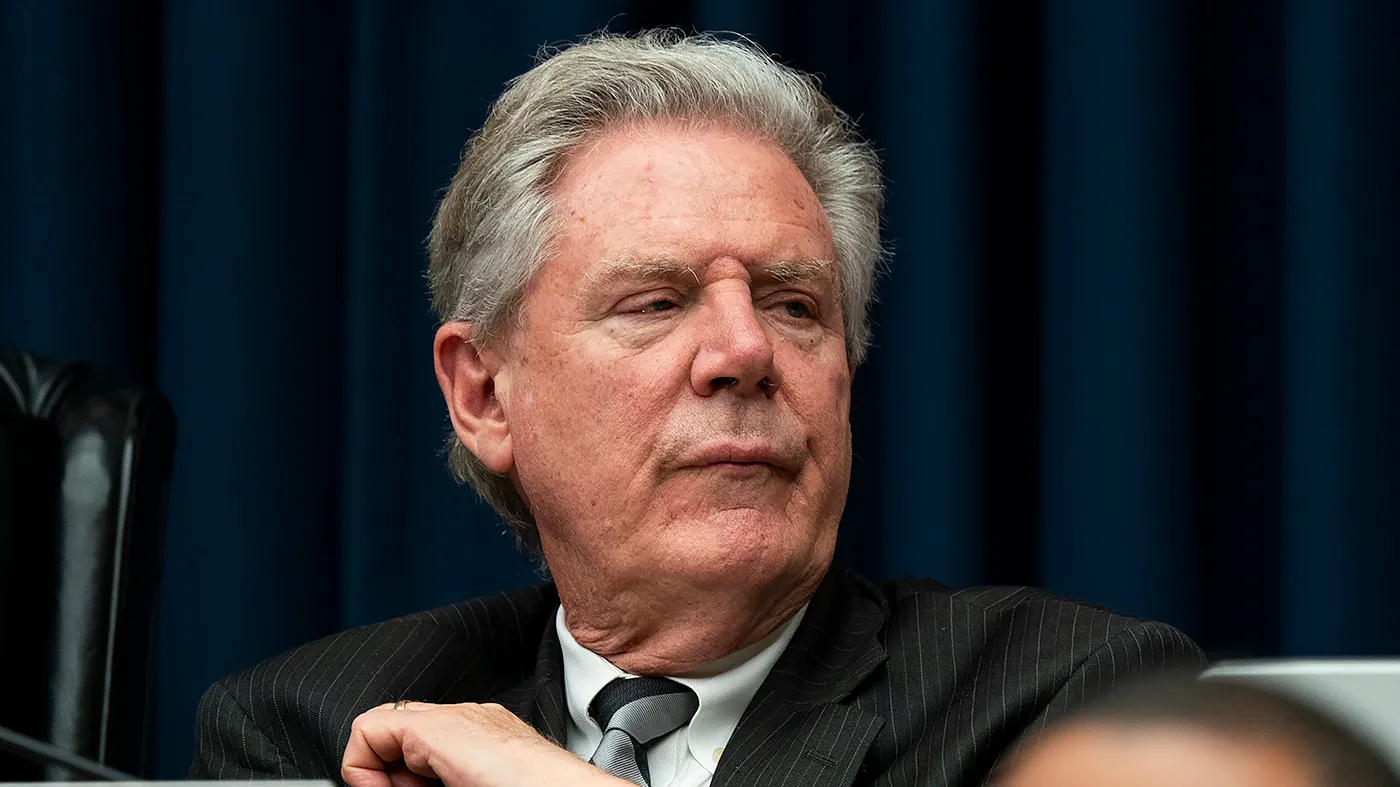
New legislation from Rep. Frank Pallone Jr. (N.J.), the top Democrat on the powerful House Energy and Commerce Committee, aims to overhaul a key part of a law that protects patients from surprise medical bills.
The new bill aims to fix what Pallone and critics say is the flawed dispute resolution system between insurers and providers.
The No Surprises Act, which Pallone helped write, established an arbitration process between healthcare providers and payers when there is a payment dispute. The law allows providers to file for arbitration, where they are able to make a case for much higher payments than they could otherwise receive from health plans.
While the law keeps patients from receiving a surprise bill from an out-of-network provider, the overinflated payments get passed to them anyway through higher premiums or fewer benefits.
According to Pallone, a small number of organizations, mostly backed by private equity firms — which are buying up medical practices like anesthesiology, radiology and emergency rooms — account for the majority of disputes filed through the arbitration process.
Of the 2.5 million disputes submitted in 2025, approximately 67 percent were submitted by just 10 provider groups.
Pallone’s bill — the Lower Premiums, Faster Payments Act — will replace the arbitration system with something called “benchmarking,” which stipulates that providers would be paid at the median in-network rate for their services, adjusted for geography, even if they were out-of-network.
“The No Surprises Act has been an overwhelming success when it comes to protecting patients from surprise medical bills,” Pallone said in a statement. “[U]nfortunately the arbitration process is clearly not working. A few bad actors—largely backed by private equity—are gaming the system, creating backlogs, delaying payments, and driving up premiums.”
Under the “baseball style” arbitration process, insurers and providers each propose a rate for a given service. There’s no room for negotiation, and an arbitrator must choose one of the suggested figures.
Pallone supported the benchmarking approach from the start but compromised to get the legislation passed and signed into law. He is poised to be Energy and Commerce Committee chair next year if Democrats win the House, putting him in position to prioritize his bill.
Both providers and health plans blame each other for high consumer health costs . Providers argue arbitration is needed because insurers offer misleading and unrealistic reimbursement rates, while insurers and some consumer advocacy groups prefer benchmarking.
Pallone’s bill includes some benefits for providers, such as ensuring that they are paid within 30 days.
Passage of the No Surprises Act was heavily lobbied by all sides of the issue, and while there is some appetite among House and Senate lawmakers to revisit, those same forces will be brought to bear on any new effort in the next Congress.
Topics in this story
Gathered from external sources. Rights to this text belong to whoever originally published it.