The Fed is expected to hold rates steady. How will Warsh justify that in the face of higher inflation?
Prices heated back up in September, complicating the Fed's task.
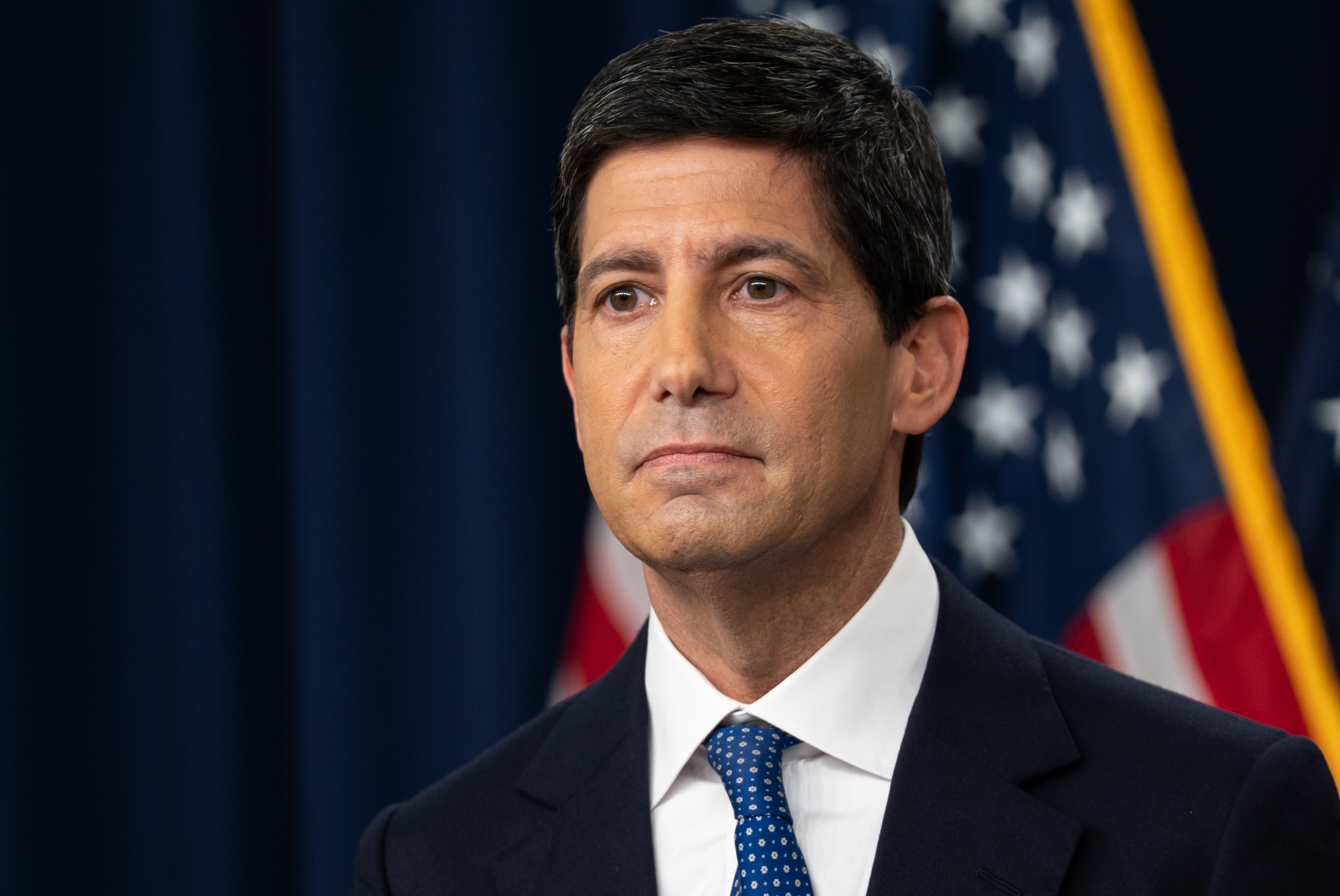
The Federal Reserve is widely anticipated to hold interest rates steady Wednesday afternoon, less than a week before the midterm elections . A key question: How will Fed Chairman Kevin Warsh rationalize holding rates steady after the latest inflation reports have shown prices heating back up?
Deutsche Bank chief US economist Matt Luzzetti expects Warsh will signal that recent inflation data reinforces the need for further rate hikes over time , but that skipping October allows officials more time to assess trends. However, he noted that Warsh will need to avoid making the mistake he made at his July press conference, when he created confusion about whether the Fed was committed to a credible strategy to bring down inflation.
"Warsh will want to avoid any indications that the Fed is unwilling to take appropriate action against sticky inflation," Luzzetti said.
The latest inflation reports showed prices heated back up in September, as the Consumer Price Index accelerated to 3.7% from a year earlier. Core CPI, which excludes food and energy, ticked up to 2.6%, while wholesale prices jumped more than 6% and the Fed's preferred inflation gauge — the core Personal Consumption Expenditures Price index — is projected to top 3%.
Evercore ISI's Krishna Guha expects Warsh will explain a rate hold by saying the central bank is focused on trends, not individual data points, and that there's a lag from when rates go into place and when their impact is fully felt.
While many Fed officials have signaled they favor raising rates further to rein in inflation, others, including Fed Vice Chair Philip Jefferson and New York Fed president John Williams, have indicated that there's no urgency , even if more hikes are likely, and that hikes don't need to come at consecutive meetings.
"Ideally, [Warsh] will reiterate the message from his deputies that the committee is biased to hike but wants to take a little more time to observe the impact of the last hike on the economy," JPMorgan chief economist Michael Feroli said.
Feroli thinks the center of the Fed's rate-setting committee does not think that the Fed needs to pursue a vigorous tightening cycle. Though he noted that Warsh will have to explain why the Fed hiked in September after core PCE rose 0.2% in August but is expected to rise further in September by 0.3%.
"A decision to leave rates unchanged less than a week before the midterm elections that goes unexplained would only encourage thoughts that policy is being driven by considerations other than employment and inflation," Feroli said.
Topics in this story
Gathered from external sources. Rights to this text belong to whoever originally published it.