Key House Democrat will oppose permitting reform bill
Rep. Mike Levin (D-Calif.) on Monday said he will oppose a Senate-passed bill that seeks to speed up the build-out of the nation’s energy and infrastructure. Levin, a clean energy advocate, said in a statement that with the 2026 Bipartisan American Affordability and Jobs Act (BAAJA), “there’s real promise on costs and clean energy deployment.”…
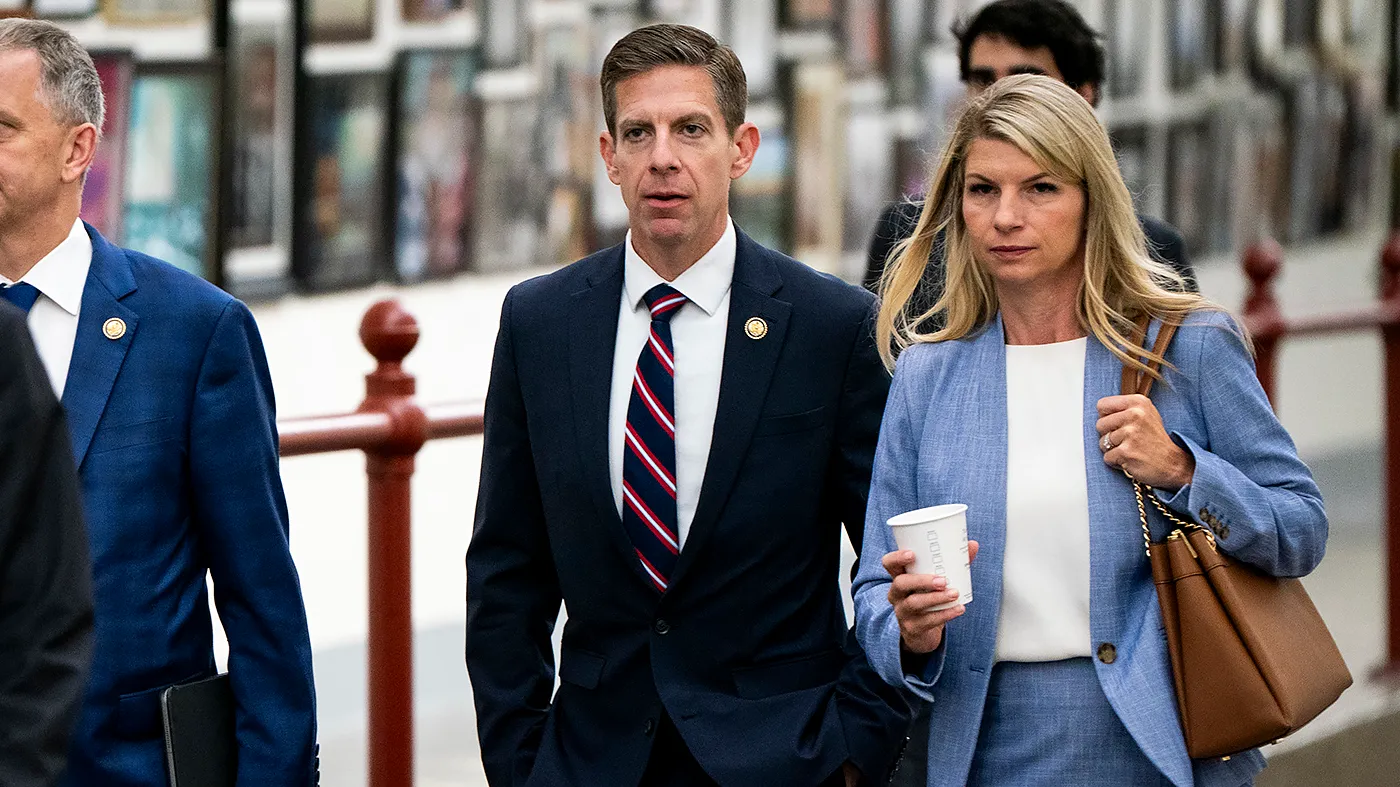
Rep. Mike Levin (D-Calif.) on Monday said he will oppose a Senate-passed bill that seeks to speed up the build-out of the nation’s energy and infrastructure.
Levin, a clean energy advocate, said in a statement that with the 2026 Bipartisan American Affordability and Jobs Act (BAAJA), “there’s real promise on costs and clean energy deployment.”
“The bill would modernize a power grid that too often can’t carry affordable clean energy to the homes that need it, and it would require data centers to pay for their own grid upgrades instead of passing the cost on to families,” he said.
BestReviews is reader-supported and may earn an affiliate commission.
But he added that the bill raised concerns, including placing a limit on “California’s ability to protect its own water, weaken the science behind endangered species decisions, and keep courts from halting a project even when an agency skips the review the law requires.”
Levin also pointed to President Trump’s approvals for offshore leases and said BAAJA would make it “extremely hard” for future presidential administrations to overturn the law.
“For those of us who have spent years fighting to keep new oil rigs off the California coast, that’s a serious threat,” he said.
“Tribal nations have warned that the bill’s changes to historic preservation law could endanger sacred sites and undercut Tribal sovereignty, and they deserved a far bigger voice in writing it,” Levin continued. “Those harms would be permanent, while the clean energy gains would rise or fall with whoever happens to be carrying out the law.”
He said that the latest iteration of the bill would be “giving up protections we may never win back in exchange for gains that aren’t guaranteed either.”
“There’s still time to get this right. If House and Senate leaders from both parties sit down together and negotiate sufficient changes, I’ll be ready to vote yes,” he said.
Levin represents California’s 49th Congressional District, which straddles between northern San Diego County and southern Orange County, encompassing the cities of Carlsbad, Dana Point, San Clemente and San Juan Capistrano.
Rep. Sean Casten (D-Ill.) echoed Levin’s concerns in his own statement, saying the two congressmen have worked “extensively on this issue.” He said the country “does not struggle to build data centers or gas pipelines.”
“Instead, we consistently struggle to build cheaper, cleaner energy sources that would successfully compete against existing fossil fuel assets but are blocked by the incumbent interests,” he said, adding that BAAJA’s “problems … can be fixed.”
“Climate change and permitting reform are too important to settle for anything less than a deal that unleashes our economy and protects our communities,” he added.
The Senate passed BAAJA 62-33 last Thursday, spearheaded by Sens. Shelley Moore Capito (R-W.Va.), Mike Lee (R-Utah), Martin Heinrich (D-N.M.) and Sheldon Whitehouse (D-R.I.) Sens. Mike Rounds (S.D.) and Josh Hawley (Mo.) were the only Republicans to vote against the bill, while 15 Democrats voted in favor of the bill.
Other opponents of the bill say it would bolster fossil fuels and mining, loosen environmental laws and limit the ability of a project’s opponents to challenge it in court.
Supporters say it will build the U.S. economy and allow for upgrades to the country’s infrastructure, including energy, to commence faster. They also say it will help lower the nation’s planet-warming emissions.
Yet the bill faces a crowded lame-duck calendar, including a possible lapse in federal funding, with some Democratic lawmakers deliberating over how to respond to funds going toward the Iran war or risk a government shutdown.
Topics in this story
Gathered from external sources. Rights to this text belong to whoever originally published it.