Big Tech, environmental groups in talks for potential data center framework
Environmental activists and Big Tech appear to be working jointly on a framework for data center development, according to a document reviewed by The Hill. The document states that the organizations are part of a “Responsible Data Center Development Collaborative” that seeks to create a “common national framework for responsible data development.” The apparent strange…
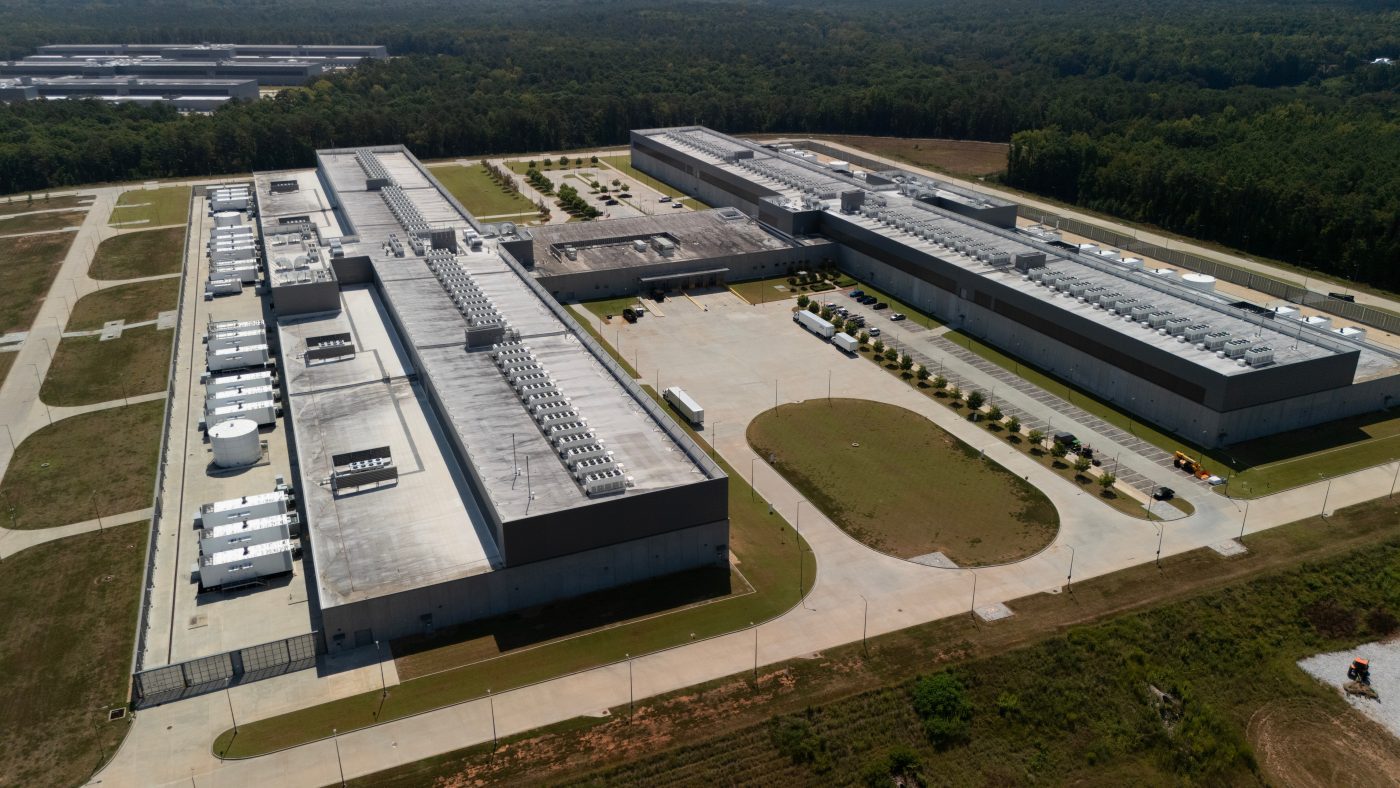
Environmental activists and Big Tech appear to be working jointly on a framework for data center development, according to a document reviewed by The Hill.
The document states that the organizations are part of a “Responsible Data Center Development Collaborative” that seeks to create a “common national framework for responsible data development.”
The apparent strange bedfellows arrangement includes hyperscale AI companies such as Microsoft, Amazon, Meta and Google, as well as leading environmental groups like the Sierra Club, the League of Conservation Voters and the Natural Resources Defense Council (NRDC).
It seeks to find a consensus between members, including ones whose goals appear disparate.
Additional organizations that appear to be part of the push include the U.S. Chamber of Commerce, which advocates on behalf of various U.S. businesses, as well as other major tech companies including Anthropic, Nvidia and Oracle, according to the document.
The environmental organizations have frequently pushed back against data center development, while the companies and industry groups have pushed for it.
Now, according to the document, they appear to be working together to advance a framework that incorporates “durable economic development,” “more affordable, reliable and emissions free energy” and “community agency and support for responsibly developed projects.”
The document states that it seeks to create a “resource” that stakeholders can “revise over time” based on implementation and technological changes.
“Communities across the country are grappling with how to handle the blitz in data center construction,” said Julie Cerqueira, chief program officer at the NRDC, in a statement to The Hill.
“These projects pose risks to the air we breathe, the water we drink, energy and housing affordability and often are built without the consent of the communities that host them. For that reason, it’s important to have frontline community representation at every table,” Cerqueira said.
Several major tech companies have walked back climate commitments in recent years as the data center boom drives significant energy demand.
The coalition has several issue-based committees working on matters related to water, transparency and participation, energy and economic development. The document states that the timeline for the organization’s work will be between this September and next February.
At least one environmentalist whose organization is not part of the joint framework talks criticized the effort.
“The notion that there will be a responsible data center buildout if this thing comes together … this feels to me like horrible greenwashing,” said Brett Hartl, government affairs director at the Center for Biological Diversity.
The effort comes as data centers become a source of significant public pushback in recent months due to issues including their energy and water use and potential impacts on electricity prices. The scrutiny has not necessarily fallen along ideological lines as Democrats and Republicans alike have expressed concerns.
Politicians have also not reached consensus, even within the same political party, on whether and how to regulate data centers.
The news comes as Democrats, who generally take a more regulatory stance than Republicans, appear poised to take power in one or both chambers of Congress.
The Trump administration has sought to advance a voluntary data center pledge for tech companies, but has not signaled support for mandatory standards.
Meanwhile, a bipartisan set of lawmakers is pushing legislation that seeks to speed up the buildout of infrastructure overall. That bill appears to be a mixed bag for data centers, as they could benefit from its curtailed environmental reviews but could be required to pay more for their electricity use.
Topics in this story
Gathered from external sources. Rights to this text belong to whoever originally published it.