Flock cameras expand police power — citizens must ask at what cost
The debate is not simply about giving police effective tools. The real issue is expanding the government’s power to monitor people without clear evidence that the benefits outweigh the harm, meaningful public oversight, or safeguards strong enough to protect communities already subject to over-policing.
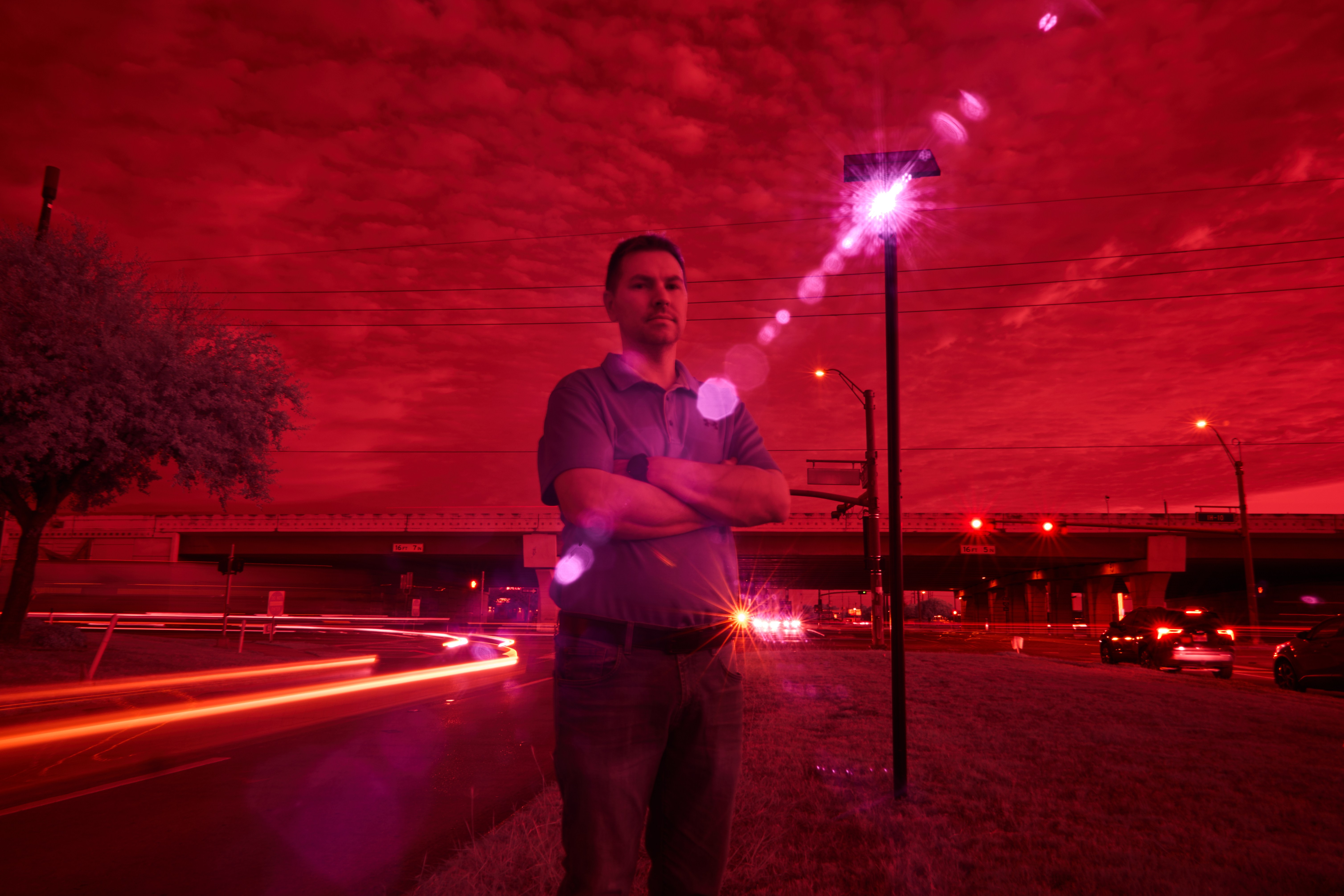
There is no debate about the need for police to respond effectively to serious crimes. The public expects them to investigate, recover stolen property and identify suspects. Flock cameras can be one tool that supports those responsibilities. Research finds that these automated license-plate readers can help police identify stolen vehicles and support follow-up arrests , though their value depends heavily on how they are managed by departments.
In my view, controversy over the use of these cameras is being framed incorrectly. The question is not whether police should use technology that can help solve serious crimes. They should. The more important issue is public acceptance of a growing surveillance system when departments have not shown that it works, explained its rules, or held people accountable for misuse . Public trust cannot be assumed simply because a department says a technology is useful.
Flock cameras did not create the public’s distrust of policing. They have exposed the consequences of police departments failing to ask communities to accept more police power without question. The problem runs deeper than poor communication or a few improper searches. Surveillance technology enters police departments and communities already shaped by unequal treatment, repeated abuses of authority, and a lack of consequences when that authority is misused.
When police can track where people work, worship, receive health care, visit family or participate in public life, they are not simply becoming more efficient. Police are gaining a greater ability to monitor ordinary people. The risk is not limited to one employee misusing the system. The deeper concern is that departments can collect more information, gain more power, and make more decisions with little public ability to determine if that power is necessary, fair or properly controlled.
The danger is not simply that a camera records a license plate. Flock systems can create searchable records of where people have been, when they traveled, and which vehicles moved near them, including people who are not suspected of a crime. For communities already subject to over-policing, this can turn ordinary movement into police data, and deepen an existing imbalance of power. Strong safeguards may limit some misuse, but they do not answer the larger question: Why should expanding surveillance be the default response to public-safety concerns when investments in housing, health care, youth opportunity, violence interruption and community-based safety can prevent harm without expanding the state’s power to monitor people?
The evidence supports a balanced conclusion.
A randomized study found that patrols using license-plate readers scanned nearly eight times more vehicles than officers using manual checks and generated more stolen-vehicle hits, arrests and recoveries. But the same study found that manual checks by a specialized auto-theft unit, not automated scanning, were linked to lower auto theft two weeks later.
A large study found that a network of cameras was linked to better outcomes in some auto-theft and robbery cases, especially in areas with more cameras. Yet researchers could not say the cameras alone caused those improvements because police also used a real-time crime center, hundreds of other surveillance cameras, patrol officers and detectives. And a 2025 evaluation linked expanded cameras to reductions in shootings, motor-vehicle theft and property crime, but found no reduction in violent crime overall.
Research does not show that Flock cameras fail to help police. It shows that departments should not promise broad reductions in crime that the evidence does not support. Results depend on where cameras are placed, how often officers use them, whether investigators know how to use the information, and who can access the system. The burden is on police departments, not residents, to prove that these systems are worth the public’s trust.
If Flock cameras are improving public safety, departments should show the public how. How many stolen vehicles have been recovered? How many missing people have been found? In how many serious cases did a camera alert give investigators a useful lead? How many leads resulted in an arrest, and how many arrests helped police close a case?
A camera alert is not an arrest. An arrest is not a solved case. A large database is not, by itself, a public-safety strategy. Public reporting should help communities tell the difference between real results and broad claims that cannot be independently checked.
Departments must also be clear about the rules. They should publish policies explaining which agencies can search Flock data, how long information is stored, when it can be shared with other agencies, and what conduct is prohibited. Every search should be tied to a legitimate police purpose, a case number, and a named employee. Supervisors should regularly review searches, and outside reviewers should be able to investigate violations.
Recent allegations of improper Flock data access show what can happen when powerful surveillance tools are used without strong protections against abuse. Departments should not dismiss these allegations as isolated mistakes and move on. Leaders should explain how access was gained, why safeguards failed, who was responsible for oversight and what will change to prevent continued abuse.
For communities with a long history of over-policing, the concern is not simply that a camera captures a license plate. The issue is that the government can build a searchable record of people’s daily movements without making clear who can see that record or how it can be used. Surveillance without accountability is much more than a privacy concern. It can deepen the unequal way police power is used in communities that have already disproportionately experienced heavy camera license plate reading.
A survey found that people who trusted law enforcement were more likely to support police use of license-plate readers. Contrary to popular belief, transparency is not an obstacle to public safety. It is part of what makes policing efforts legitimately sustainable. Departments can earn trust by sharing results, publishing data, explaining rules, limiting access, reviewing use and addressing misconduct.
Ultimately, the issue is not whether Flock cameras can help solve crimes. They can. The real concern is the expansion of the police’s ability to track people without confronting the institutional problems that make surveillance especially risky in the first place. Technology does not fix institutions that lack accountability, and public trust cannot be demanded as the price of using powerful new tools.
Public reporting, access limits, unbiased audits and consequences for misuse are necessary. But they cannot replace real accountability. Departments must show that cameras serve a clear public-safety purpose, that the benefits outweigh the costs, and that the people most affected have a meaningful role in setting the rules.
If police departments want public trust, they must show that they can use power openly, fairly and with consequences when they get it wrong.
Howard Henderson is professor of administration of justice at Texas Southern University and founding director of the Center for Justice Research. He is a non-resident senior fellow at the Brookings Institution.
Topics in this story
Gathered from external sources. Rights to this text belong to whoever originally published it.