Iran strikes on US diplomatic facilities in 4 Gulf countries cost $184M: IG report
U.S. diplomatic facilities in four Gulf countries suffered around $184 million in estimated damages from Iranian military strikes, according to a new report from the Pentagon’s watchdog made public on Monday. The posts are located in Iraq, Kuwait, Saudi Arabia and the United Arab Emirates (UAE), the Pentagon watchdog said in the 44-page report, the first…
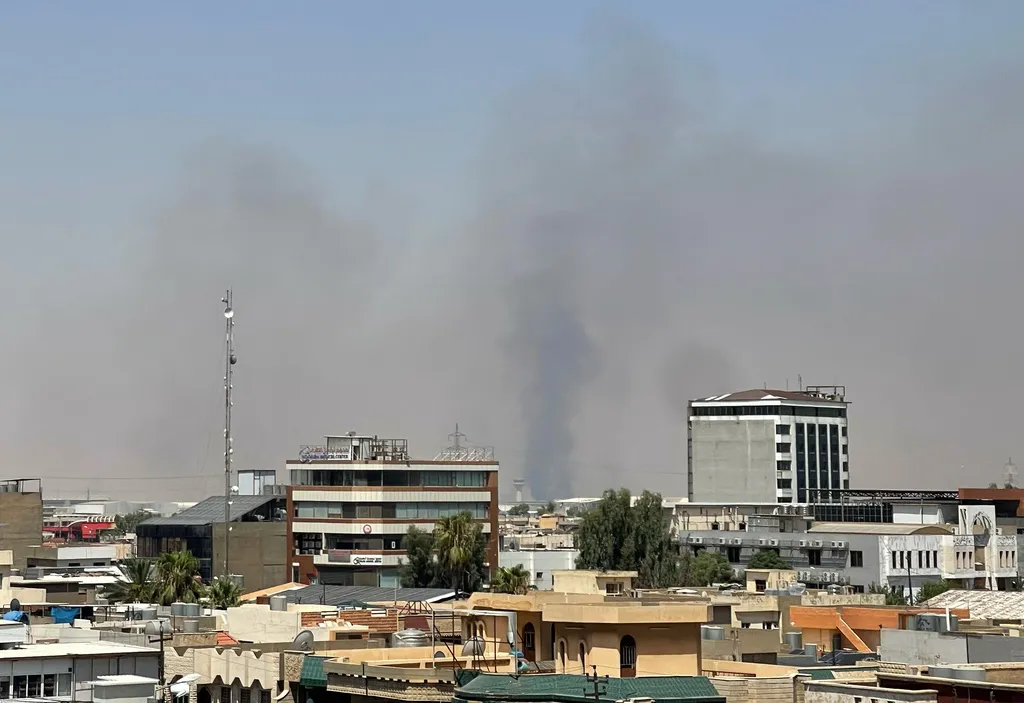
U.S. diplomatic facilities in four Gulf countries suffered around $184 million in estimated damages from Iranian military strikes, according to a new report from the Pentagon’s watchdog made public on Monday.
The posts are located in Iraq, Kuwait, Saudi Arabia and the United Arab Emirates (UAE), the Pentagon watchdog said in the 44-page report , the first one since the U.S. and Israel launched the war in late February.
The heaviest damage was sustained in Iraq with over $157 million in costs, followed by Kuwait with more than $14 million in damages and $11.5 million in Saudi Arabia, the report said. In the UAE, the U.S. diplomatic post suffered $125,000 in damages. The U.S. mission in Iraq experienced over 600 Iranian attacks.
The Iranian military has targeted various U.S. military bases in the Gulf since Operation Epic Fury kicked off on Feb. 28, but Tehran has also inflicted heavy damages on diplomatic and intelligence outposts in those countries.
From Feb. 28 to June 29, the Pentagon has estimated the cost of war to be $33.4 billion, but that does not include costs for infrastructure repairs.
In July, Defense Secretary Pete Hegseth told Senate lawmakers that the Iran war’s estimated cost was $37.5 billion, a sum that some experts argued was a low estimate.
The State Department, meanwhile, reported that as of June 2, it had incurred $113 million in costs related to the war and “as it continues to assess damage, costs are likely to rise.”
In addition, 18 U.S. service members have been killed and some 800 wounded in the more than six-month war. About 50,000 American troops are still deployed to the region, with the Trump administration yet to provide a clear exit strategy from the deeply unpopular conflict.
Top administration officials have at times downplayed the damages Iranian one-way attack drones and missiles have inflicted on U.S. military bases, aircraft and other assets in the U.S. Central Command (Centcom) theater.
Last week, President Trump denied news reports that several U.S. military jets were damaged in Iran’s attack on Muwaffaq Salti Air Base in Jordan.
“None whatsoever. No damage. No nothing,” the president said in an interview with The Hill’s sister network NewsNation when asked about one A-10 Thunderbolt losing a wing and eight F-15s sustained light damage.
More than 50 U.S. aircraft have been damaged or destroyed since the Iran war began, according to the watchdog’s report, including 4 F-15Es, seven KC-135 refueling aircraft, four AH-6 helicopters and at least 30 MQ-9 Reaper drones.
But some top officials were more candid.
“They blew the hell out of Bahrain,” the acting U.S. Navy secretary Hung Cao said in an interview last week with The Epoch Times when asked about the level of damage Naval Support Activity Bahrain (NASB), which serves as the headquarters for U.S. Naval Forces Central Command and the U.S. Fifth Fleet, had sustained since the conflict began.
The Navy has used the NASB as its main logistics hub in the Middle East. The service branch is weighing what to do with the base, including if it should be repaired.
“I have a task force that’s looking at that,” Cao said.
Gathered from external sources. Rights to this text belong to whoever originally published it.