Takaichi Says Japan May Review Spending if Yields Move Sharply
Japanese Prime Minister Sanae Takaichi said her administration is prepared to review spending and revenue plans if government bond yields move unexpectedly,...
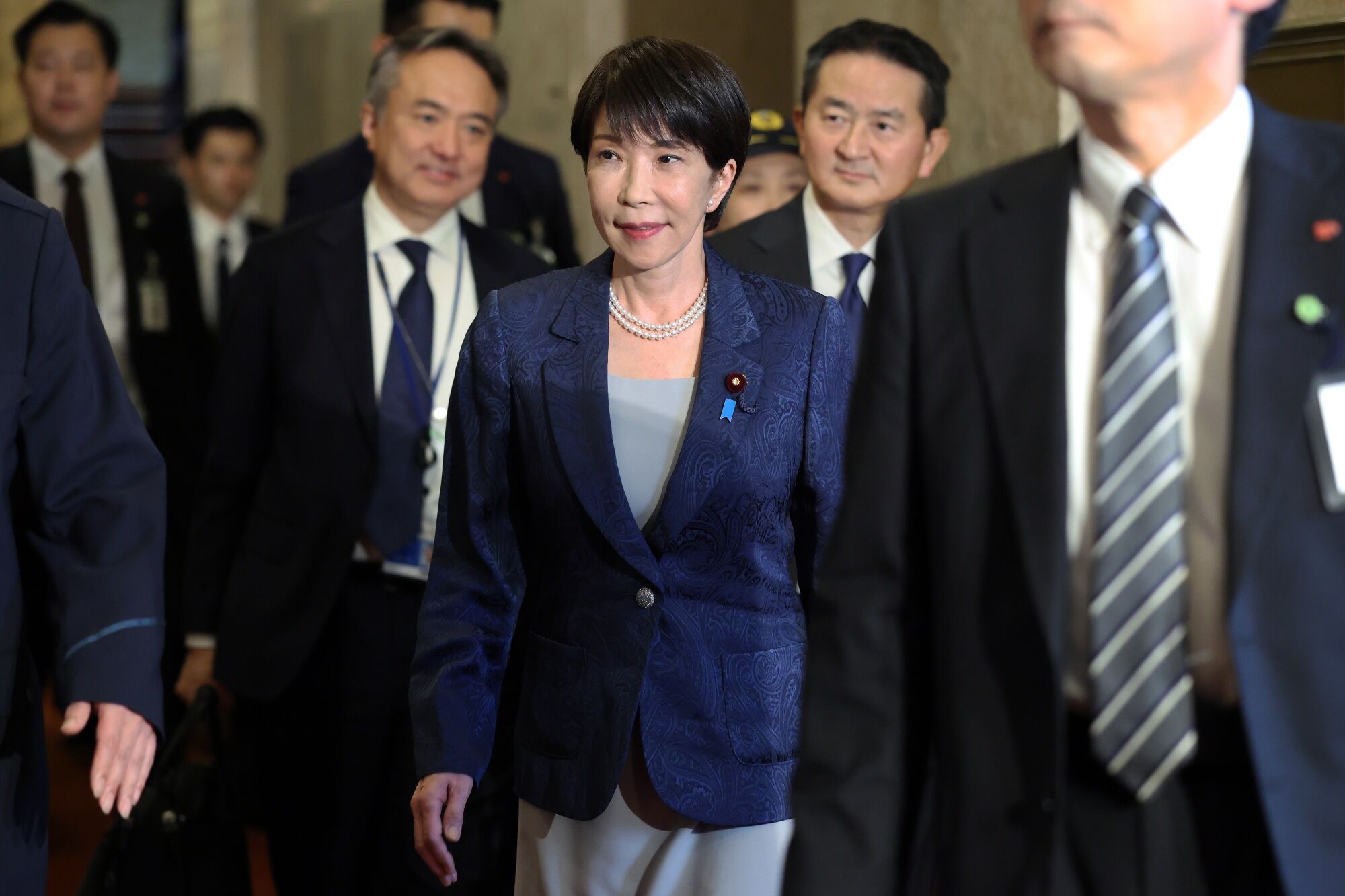
(Bloomberg) -- Japanese Prime Minister Sanae Takaichi said her administration is prepared to review spending and revenue plans if government bond yields move unexpectedly, as she seeks parliamentary support for a temporary cut to the tax on food sales.
"Should market conditions such as yields move unexpectedly, we will take policy measures such as restructuring various initiatives and reviewing expenditures and revenues," she said on Wednesday in response to questions during a parliamentary session.
"If situations arise that significantly impact Japan's economy, such as disruptions in the global economy, we will respond flexibly by utilizing reserve funds," she added. She declined to comment on specific currency or yield levels.
With parliament in session, Takaichi is set to see through a bill that will cut the sales tax on food items and non-alcoholic beverages to 1% from 8% for two years starting in April. She is seeking to alleviate the burden of rising costs on households while trying to convince markets that government finances are sound.
Takaichi's government is set to compile the budget for the year starting April over the next few months. The budget will likely offer insight into whether she can deliver on plans to grow Japan's economy while keeping spending in check. In that time, she will also be tasked with communicating with markets effectively as the yen remains weak and long-term yields trend higher around the globe.
By year-end, Takaichi is also set to overhaul Japan's security documents, which will give hints on the pace and extent to which defense spending may rise over the next several years. Takaichi has already accelerated defense spending to almost 2% of gross domestic product in the financial year that ended in March this year, two years ahead of schedule.
She has not set any numerical targets for defense outlays since, but officials are considering a scenario in which Japan could match the commitment made by South Korea to increase spending to 3.5% of GDP over the next decade.
"We will deepen concrete and realistic deliberations in accordance with our independent judgment, and build up the process accordingly," she said.
Topics in this story
Gathered from external sources. Rights to this text belong to whoever originally published it.