Naturally occurring human peptide shows promise against Alzheimer’s
“The study suggests that peptide-based therapies may offer a new approach to treating complex neurodegenerative diseases.”
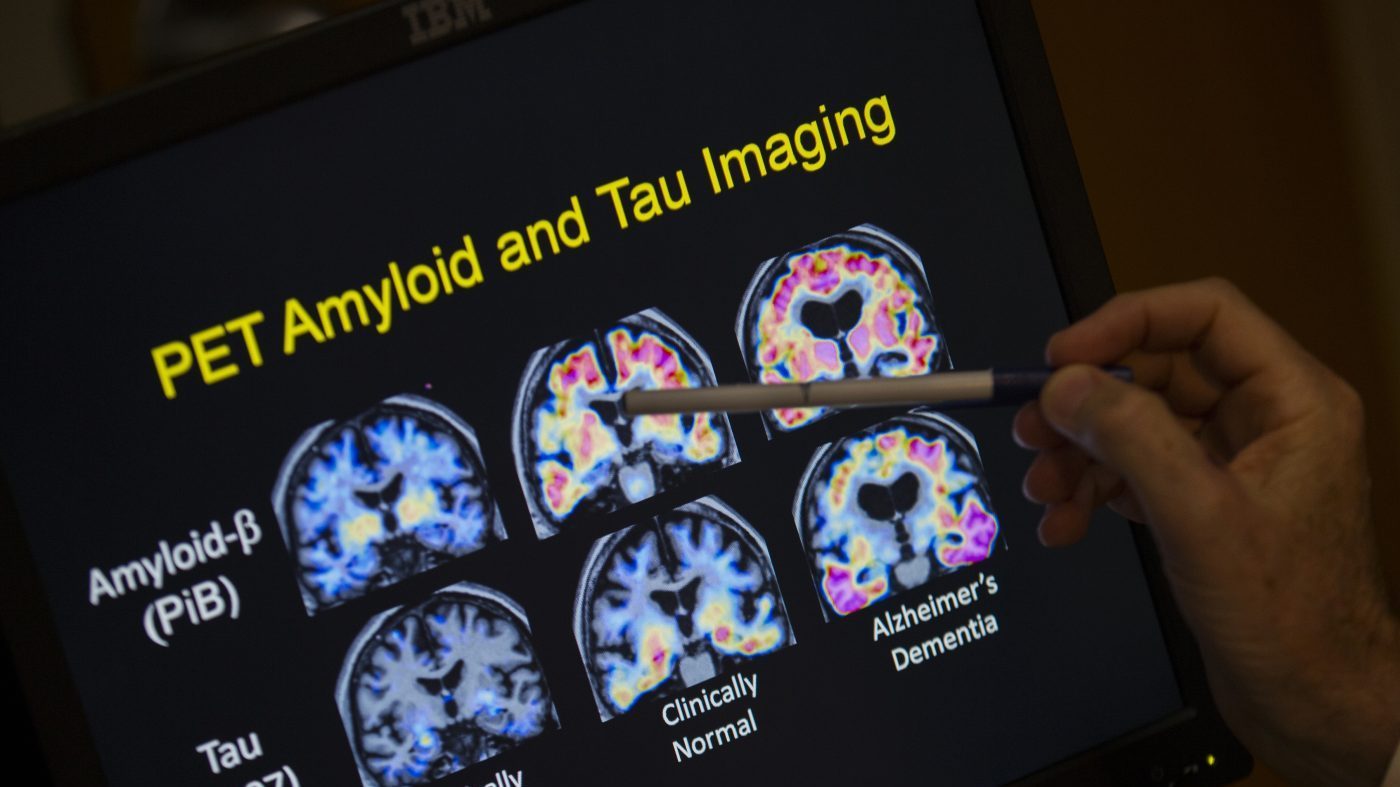
( NewsNation ) — Despite decades of research, Alzheimer’s remains one of medicine’s most difficult diseases to treat. Now, a newly identified naturally occurring peptide could provide a new approach to combating it and other neurodegenerative diseases.
Researchers at UC San Diego School of Medicine discovered the small protein fragment called catestatin, or CST, which they believe could counter many of the key processes that cause neurodegeneration, or the loss of brain cells.
This gradual loss can lead to symptoms such as memory loss, confusion, poor judgment, and in later stages, difficulty walking, talking and swallowing.
Using mice that displayed these symptoms, researchers injected CST to evaluate its effects. In a study published this week in the journal Molecular Therapy , they found the peptide reduced the buildup of tau and amyloid proteins, both of which are linked to Alzheimer’s disease and brain cell loss. CST also reduced inflammation in the brain and improved cognitive function and motor coordination in the mice.
This finding matters because current treatments for neurodegenerative diseases target either amyloid or tau proteins , but not both.
“Our findings show that CST can act across several of these disease-associated pathways and shift the brain toward a healthier state,” senior author Sushil K. Mahata said. “More broadly, the study suggests that peptide-based therapies may offer a new approach to treating complex neurodegenerative diseases.”
Researchers are also investigating whether CST can alter how the brain produces and uses energy, meaning it could help the brain become more resilient to neurodegenerative diseases .
While the UC San Diego findings are encouraging, it remains unclear whether CST would have the same effects in humans. The study’s authors said further research is needed to determine its safety, dosing and effectiveness before evaluating it as a potential treatment.
Topics in this story
Gathered from external sources. Rights to this text belong to whoever originally published it.