The Biggest Victims Of Trump’s Economic D-Day On Iran
China represents Washington’s biggest test, buying more than 80% of Iran’s seaborne crude, while sanctions against major Chinese banks could trigger signific...
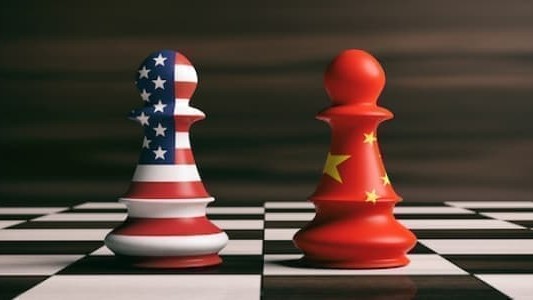
Trump's "economic D-Day" against Iran is built around one of Washington's most powerful weapons: access to the U.S. financial system. The problem is that the deeper Washington pushes into Iran's remaining trade, the bigger the targets become.
China buys more than 80% of Iran's seaborne crude. Iraq relies on Iranian gas for as much as 40% of its electricity generation. Turkey imported 4.5 bcm of Iranian gas in the first half of this year, while India still maintains a heavily one-sided trade relationship with Tehran. The UAE, once one of Iran's most important commercial and financial conduits, has already suspended dealings with Tehran.
The U.S. Treasury can sanction tankers, traders and small Chinese refiners without creating much collateral damage outside the Iranian trade. Going after the major banks financing that commerce is different, however. The same is true of forcing Baghdad to choose between complying with Washington and keeping Iranian gas flowing to Iraqi power stations.
The Trump administration took a cautious approach on Monday. Its first round targeted nearly 60 individuals, companies and vessels and expanded sanctions across shipping, aviation, technology, gold and digital assets, but left China's major banks untouched.
That leaves the most powerful part of Trump's threat still hanging over Iran's trading partners. If the first round fails to cut Iranian commerce sufficiently, Washington can move from sanctioning the networks built to evade U.S. restrictions to targeting the banks and companies that still have substantial business to lose in the United States.
Here are five countries facing some of the hardest choices under Trump's new economic offensive against Iran.
No country buys more Iranian oil than China, making Beijing the largest remaining source of hard-currency revenue for Tehran. Chinese imports reached 1.58 million barrels per day earlier this year before the war and U.S. blockade began squeezing those flows, with shipments falling to roughly 534,000 bpd so far in August from 823,000 bpd in July, according to Reuters .
But China has spent years building an oil trade with Iran designed to minimize its exposure to U.S. sanctions. Independent teapot refineries buy much of the crude, tankers use ship-to-ship transfers and other methods to disguise its origin, and transactions are settled in Chinese currency through difficult-to-track intermediaries. Washington has repeatedly targeted pieces of that network, including Chinese refiners, trading companies and vessels involved.
Topics in this story
Gathered from external sources. Rights to this text belong to whoever originally published it.