Horse in New Mexico infected with screwworm before Mexico livestock imports resume
A new case of New World screwworm was confirmed in a horse in New Mexico Thursday, days before the state was set to resume livestock imports from Mexico. The infected horse was in Grant County near the Mexican border, according to the Department of Agriculture. It is the second confirmed case in New Mexico since…
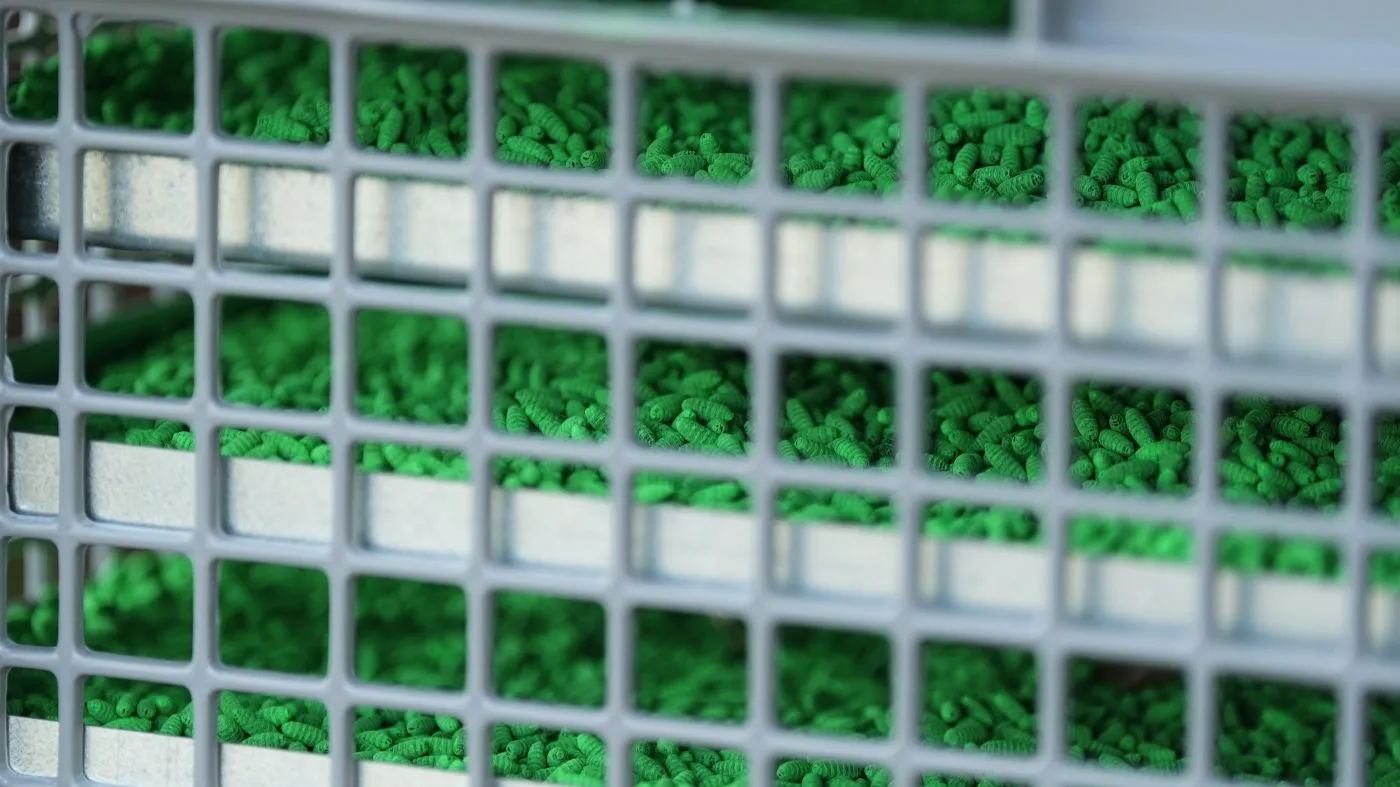
A new case of New World screwworm was confirmed in a horse in New Mexico Thursday, days before the state was set to resume livestock imports from Mexico.
The infected horse was in Grant County near the Mexican border, according to the Department of Agriculture. It is the second confirmed case in New Mexico since the flesh-eating parasite entered the U.S. in June from Mexico.
The case comes after Agriculture Secretary Brooke Rollins announced that USDA was preparing to reopen the Santa Teresa port of entry to livestock from Mexico on Sept. 24.
According to the New Mexico Department of Agriculture, the horse’s infection had not yet been confirmed at the time of the announcement, which was made by Rollins at a news conference in Santa Teresa on Thursday.
The Trump administration halted livestock imports along the southern border last year in an effort to curb the spread of the New World screwworm. Imports resumed last month through a port in Arizona as part of a “phased reopening.”
The USDA has tracked 50 confirmed cases of screwworm in the U.S. since the first report of an outbreak occurred on June 3. As of Thursday, only three of those cases were still active, according to the department’s online dashboard .
Last month, four cases were reported, all in Texas. Of the two cases reported so far this month, one occurred in Texas, while the other was in New Mexico.
New World screwworm infestations occur when fly larvae enter an open wound and feed on the living tissue of warm-blooded animals. The parasite can kill animals if infestations are left untreated.
The Centers for Disease Control and Prevention (CDC) has characterized the risk to humans as “very low,” and there have not been any reports of human infestations.
Topics in this story
Gathered from external sources. Rights to this text belong to whoever originally published it.