Trump’s Latest Global Tariffs Face Tough Questions from US Court
The Trump administration faced skeptical questions from a US trade court about the legal foundation underpinning President Donald Trump’s latest round of glo...
(Bloomberg) -- The Trump administration faced skeptical questions from a US trade court about the legal foundation underpinning President Donald Trump's latest round of global tariffs, once again putting one of his signature economic policies under a judicial microscope.
A three-judge panel pressed a Justice Department lawyer during a hearing Wednesday about whether US Trade Representative Jamieson Greer had disregarded a framework Congress adopted decades ago to address concerns about forced labor practices around the world harming US economic interests, and also whether the trade agency presented detailed enough justifications to subject dozens of countries to the levies.
The judges also turned a critical eye to some of the claims raised by the small businesses and Democratic state officials who sued, including arguments that the tariffs under Section 301 of the Trade Act of 1974 were a pretext to revive earlier global levies that the US Supreme Court struck down.
The US Court of International Trade panel didn't say when it intends to rule. Another sticking point during arguments was whether the judges should give Greer a chance to fix gaps in the record if they concluded the government had the weaker case. Pratik Shah, the lead attorney arguing for the challengers, asked the court for a ruling on the underlying legal issues, saying they would rather be able to appeal a loss than keep the dispute in limbo.
Throughout his second term, Trump has touted import duties as tools to bring manufacturing back to the US, exert leverage over trading partners, and raise revenue. But his tariff policies have faced a rocky legal path.
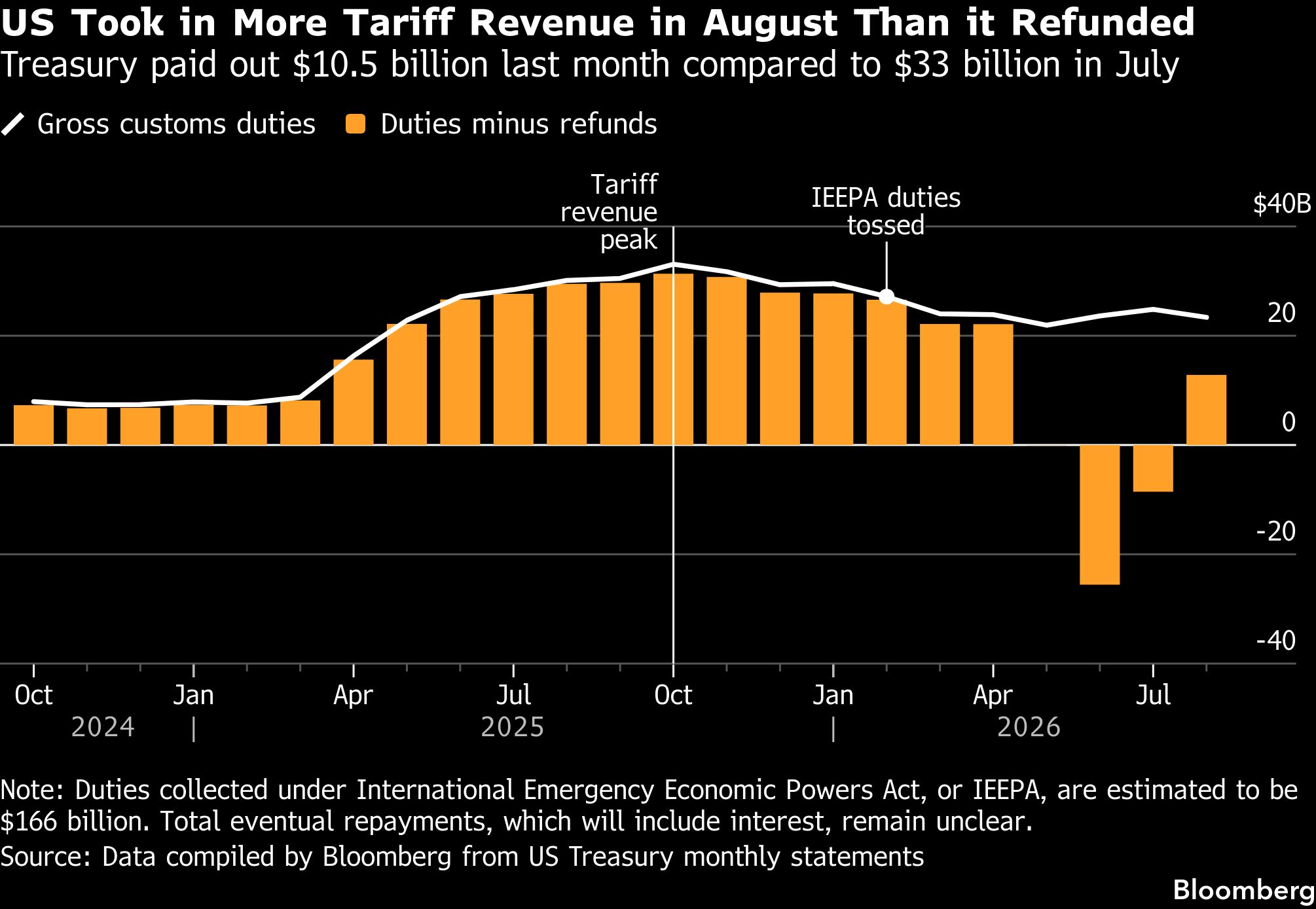
The Section 301 forced labor tariffs followed two earlier rounds of duties under different legal authorities. One under an emergency powers law was struck down by the Supreme Court earlier this year, compelling the administration to refund the more than $166 billion it had collected. The other, which was temporary, faced an initial setback before the trade court in May before an appeals court allowed it to continue during the litigation. The administration rolled out the Section 301 tariffs to take effect when those temporary duties expired in July.
Topics in this story
Gathered from external sources. Rights to this text belong to whoever originally published it.