Meta reevaluating its net zero goal amid AI boom
Meta is reconsidering its goal of hitting a 2030 deadline for net zero emissions, citing an increase in demand for AI infrastructure growth in the company’s annual sustainability report. “We are re-evaluating our timelines, sequencing, and interim milestones — including the 2030 timeframe for our net zero emissions goal and our near-term intensity targets —…
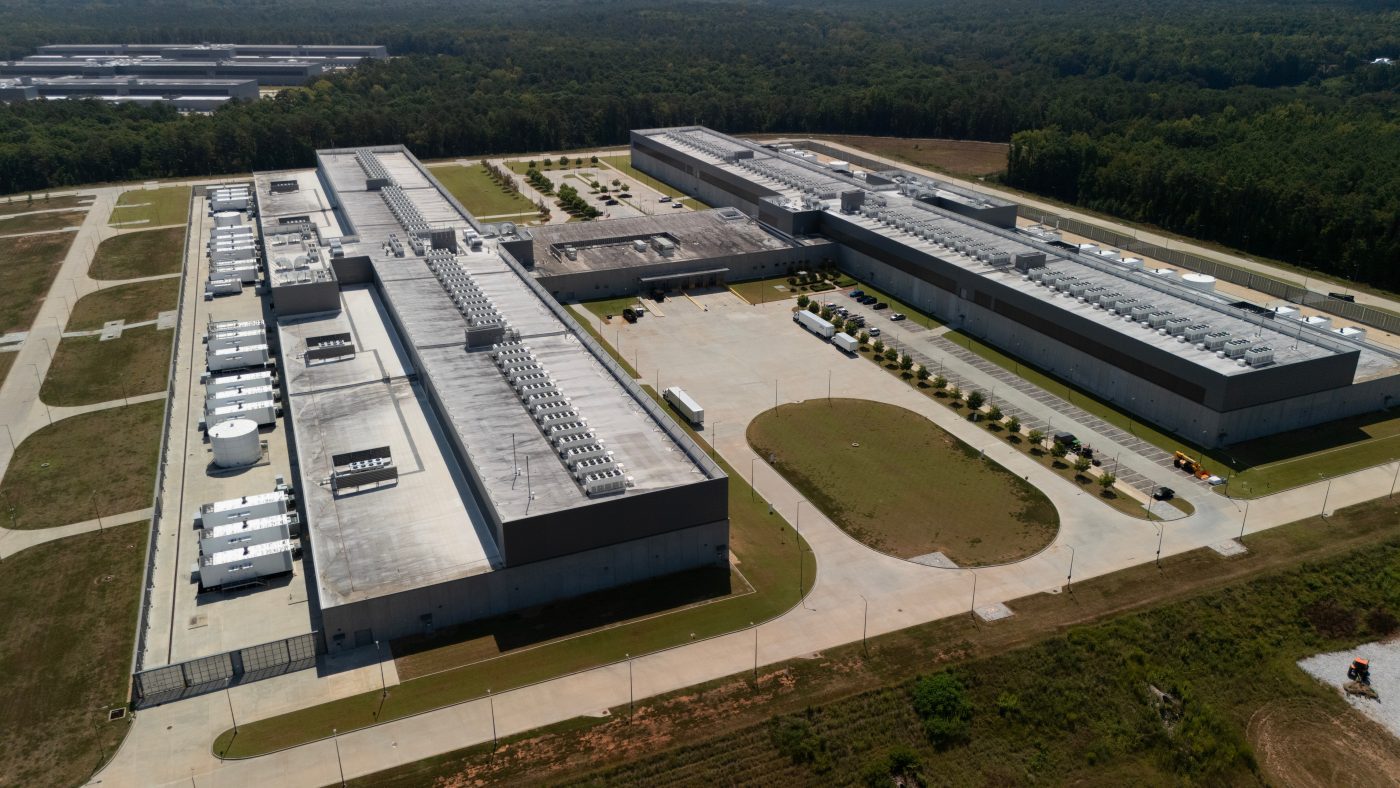
Meta is reconsidering its goal of hitting a 2030 deadline for net zero emissions , citing an increase in demand for AI infrastructure growth in the company’s annual sustainability report .
“We are re-evaluating our timelines, sequencing, and interim milestones — including the 2030 timeframe for our net zero emissions goal and our near-term intensity targets — so our approach reflects current operating realities while keeping progress transparent year over year,” the company said in the report signed by Rachel Peterson, vice president of data centers, and Blair Swedeen, global head of net zero and sustainability.
“The path forward is complex, and the route may continue to evolve, but the outcomes we are working toward remain unchanged: to establish a long-term pathway to net zero emissions, to restore more water than we consume, and to build infrastructure in a way that supports surrounding communities and grids,” the statement continued.
BestReviews is reader-supported and may earn an affiliate commission.
The company noted that the net zero emissions goals were set with the anticipation of steady growth, falling clean energy costs and other changes in the broader system, but “the reality has been far more complex.”
“Demand for AI infrastructure has grown faster than almost anyone projected,” the report said, adding that meeting the demands meant “building at a pace and scale the industry has never attempted.”
In 2025, the company’s net emissions were 11.8 million metric tons, which “represented a year-over-year increase of 45%,” according to the report.
Last month, a United Nations climate report projected that global temperatures are set to exceed 1.5-degrees Celsius above preindustrial levels and this can be limited to “lowest possible” overshoot, but it would require urgent and steep cuts to emissions.
To limit the overshoot, global greenhouse gas emissions would have to be reduced by 18 percent by 2030, 45 percent by 2035 and 69 percent by 2040, relative to 2025 levels, according to a press release from the United Nations Environment Program.
“By contrast, the full implementation of Nationally Determined Contributions (NDCs) would only reduce emissions by 5-8 per cent by 2030 and 11-15 per cent by 2035, relative to 2025 levels,” the release said.
If countries follow their current policies, warming levels could reach 2.8 degrees Celsius within the century and increase after, according to the U.N. report.
A recent study conducted by researchers from Harvard shows that the top 400 U.S. data centers emitted more greenhouse gases last year than Denmark.
Topics in this story
Gathered from external sources. Rights to this text belong to whoever originally published it.