Wilbur Ross was Trump’s first-term tariff hawk. Now he says refunds give importers ‘an extra profit’ and pay them ‘more than the money’ they laid out
The former Commerce secretary says importers who passed tariff costs on to customers are now being paid back for money they didn't lose.
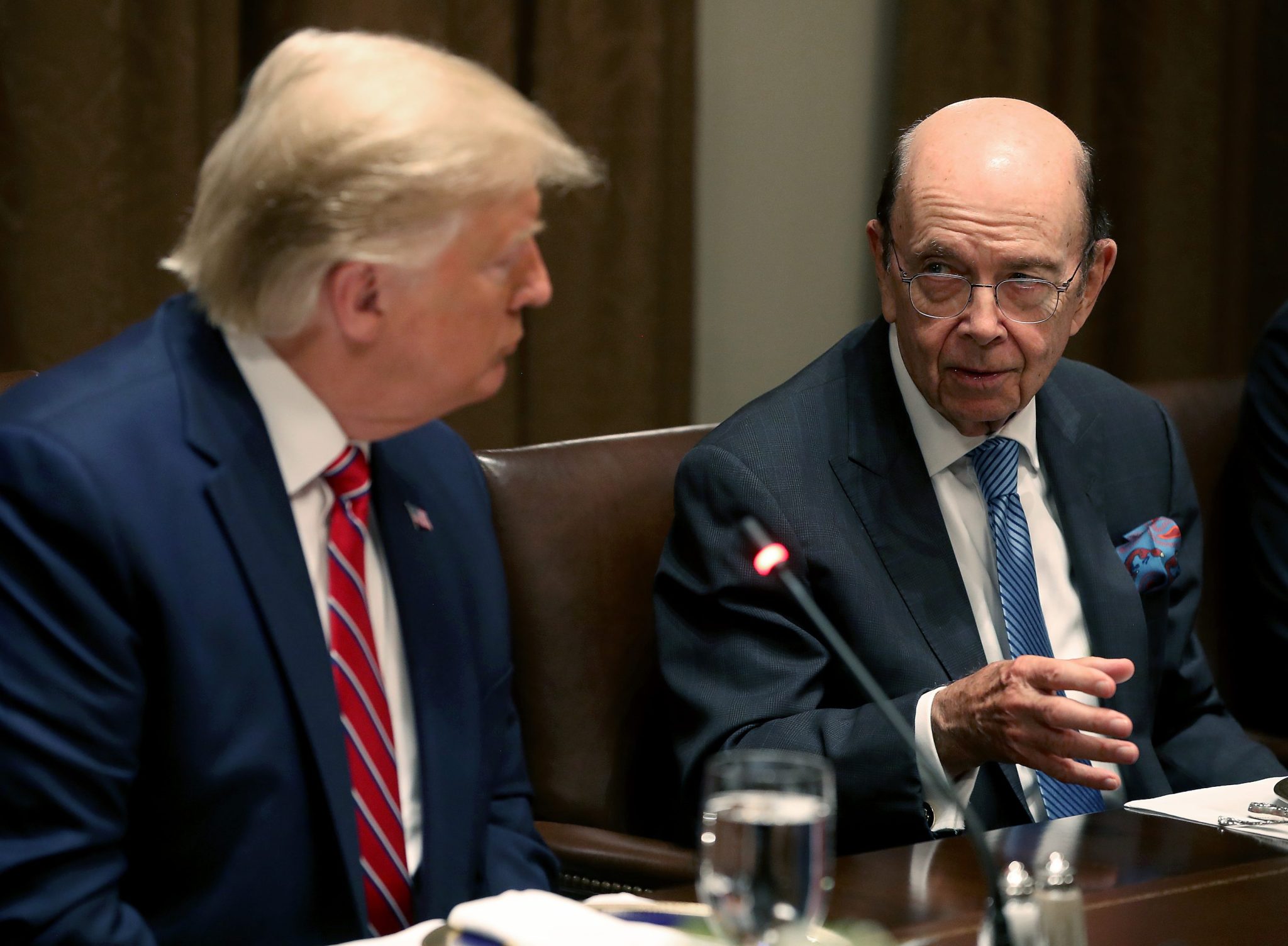
When Wilbur Ross ran the Commerce Department in President Donald Trump's first term, tariffs had one job: shrink the trade deficit. Seven years later, he said the president is using them for something else, and that the refunds from the ones the Supreme Court struck down are going to the wrong people.
"It's a whole different picture," Ross told Fortune . "He made the decision not just to use the tariffs for purposes of changing the trade deficit. He used them for a variety of other purposes. So it's a whole different conceptual approach."
He called Trump's second term one filled with "a different objective that he has."
Because importers pay tariffs at the border, they decide whether to absorb the cost or pass it on. In practice, most of it reaches shoppers: Federal Reserve data show American households paid about 90% of the cost of Trump's second-term tariffs.
Back during Trump's first term, Ross' tariffs came through a 1962 law, Section 232 of the Trade Expansion Act , which allows the president to limit imports that threaten national security. In February 2018, Ross concluded that imported steel and aluminum met that bar and sent his department's findings to Trump, citing China's huge steel output. On March 8, Trump placed a 25% tariff on imported steel and a 10% tariff on aluminum, then spent the rest of the year granting and revoking exemptions for individual countries.
"My role was to work on trying to fix the trade balance and try to get that drawn into a more sensible balance," Ross said.
Trump's second-term tariffs used a different law, the International Emergency Economic Powers Act, which gives the president wide power over trade during a declared emergency. He used it for tariffs on nearly every trading partner and for tariffs tied to goals well beyond trade, such as a 40% duty on Brazilian imports over the prosecution of former President Jair Bolsonaro.
Ross said Trump could go further this second time around because he came back with more power.
"He was much stronger as he went into the second term than he was when he went into the first term," Ross said. "First term, he did not control the Congress, and he did not really control the Republican Party. Second term, he clearly controlled both, so he was in a position to do more things the way that he wanted to do them."
But still, it's ultimately something the president decides.
"It's not a question for the Commerce Department to decide," Ross said. "This was a presidential decision to expand the use of the tariffs."
Topics in this story
Gathered from external sources. Rights to this text belong to whoever originally published it.