The market says a Fed rate hike is a done deal. Here's why it might hold steady.
Markets overwhelmingly expect the Federal Reserve to raise interest rates this week for the first time in more than three years — but the decision is likely...
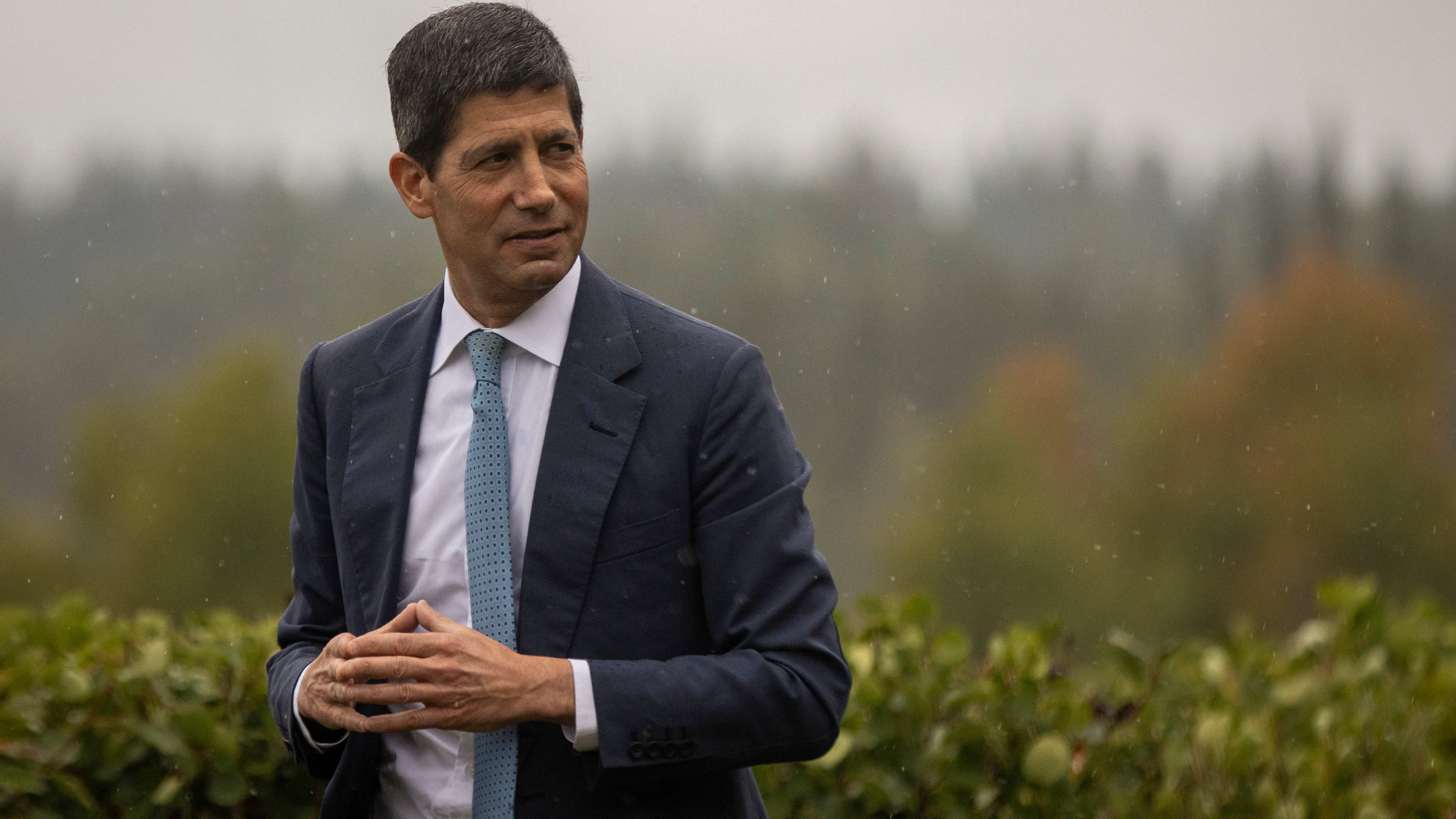
Markets overwhelmingly expect the Federal Reserve to raise interest rates this week for the first time in more than three years — but the decision is likely to be a closer call than investors' bets suggest.
"The probabilities in the market seem higher than I would necessarily assign at this point," Loretta Mester, former president of the Cleveland Fed, said in an interview. Mester pointed to recent arguments by key members of the Fed's rate-setting committee, New York Fed president John Williams and Fed Governor Chris Waller, suggesting that neither is convinced a rate hike is appropriate.
However, key inflation data released Friday boosted market expectations for a hike. The Consumer Price Index (CPI) for August showed monthly prices rose 0.3%, higher than the expected 0.2%, crossing a symbolic line in the sand drawn by a handful of Fed officials. Since Friday, traders have been pricing in between 85% and 90% odds that the Fed will raise 25 basis points.
Waller has said that if August figures showed cooling inflation — specifically a 0.2% rise in core prices — he would support holding rates steady. But if inflation came in "hot," he would consider a hike. "Policy is currently only slightly restricting aggregate demand," Waller said on Sept. 3, "and it may not take much acceleration in inflation to nudge me into supporting tighter policy."
Meanwhile, Williams has argued that monthly Personal Consumption Expenditures readings — the Fed's preferred yardstick — must consistently hit 0.2% to prove inflation is truly coming down.
While the latest CPI data has made Adam Posen, president of the Peterson Institute for International Economics, less certain of a pause, he still thinks the central bank is more likely than not to hold rates steady.
"Ideally, the Fed should never be making up their minds based on one last-minute piece of data," Posen said. "This is why when you say 'I don't want to do forecasts,' it's self-defeating. Otherwise, you're just reacting to a backward-looking, inherently noisy reading."
Last month in Jackson Hole, Wyo., Fed Chairman Kevin Warsh laid out a cogent case for raising rates . He noted that June and July inflation reports failed to prove prices are on a convincing downward path , adding that he would be hard-pressed to describe broad financial conditions as "restrictive."
Yet, Posen maintains that a hike right now would require multiple board members to abruptly reverse their recent dovish stances. Doing so would also mean taking responsibility for "putting the Fed directly back in the crosshairs of Trump's political ire."
Topics in this story
Gathered from external sources. Rights to this text belong to whoever originally published it.