Rates need to be higher, 3 Fed members say. The question is how much.
Three Fed officials spoke Friday about the need for further hikes in the face of high inflation.
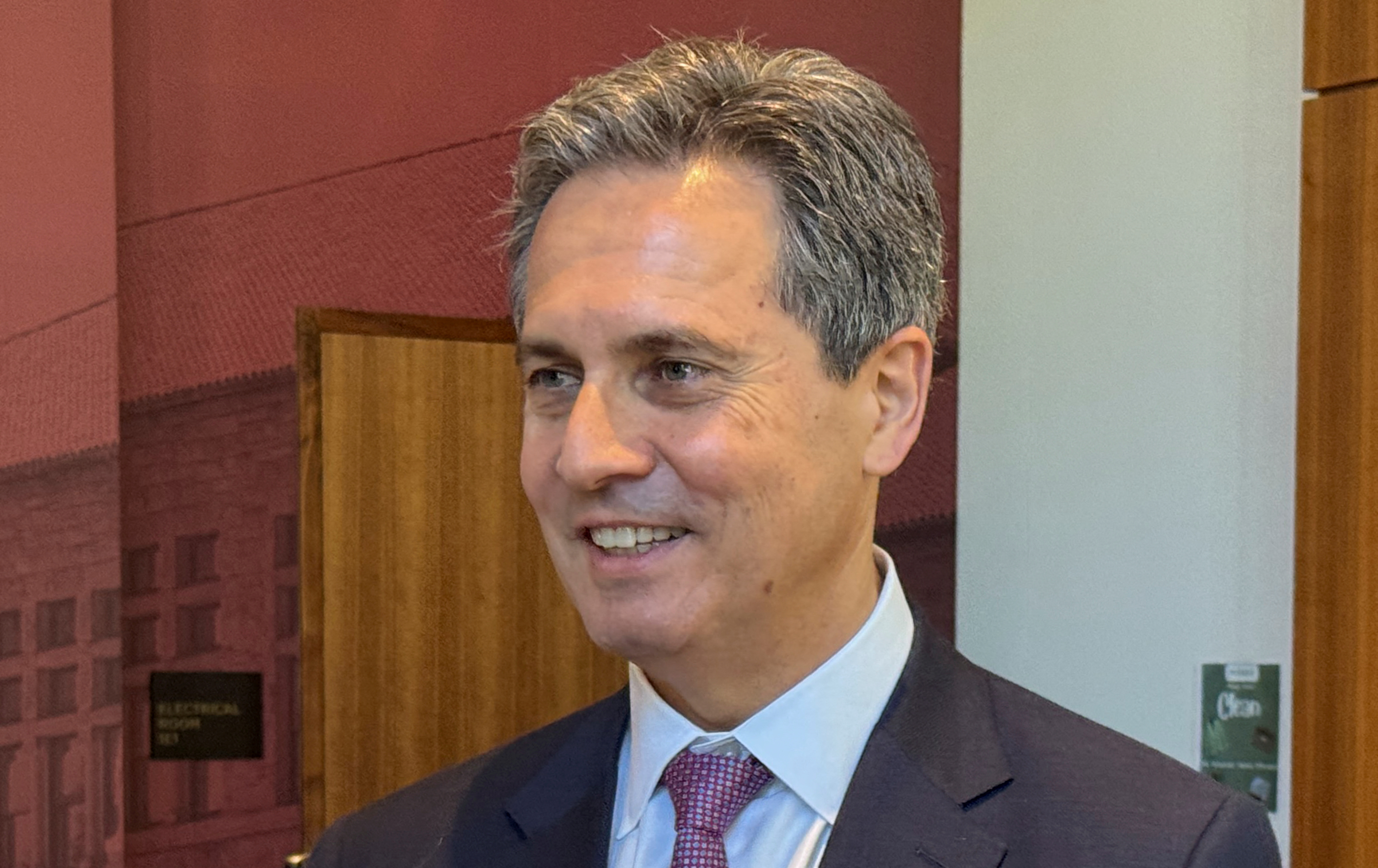
Three members of the Federal Reserve suggested Friday that interest rates need to move higher to push down inflation.
St. Louis Fed president Alberto Musalem said he thinks inflation is too high and broad-based, and that the Fed needs to act "soon," otherwise higher prices will persist.
"I judge that additional firming of monetary policy will be necessary, and soon," Musalem said in a speech in New York.
Hiking now, he said, will do less harm to the economy than if inflation becomes entrenched.
"Incremental adjustments made earlier are usually less disruptive than larger and abrupt actions taken later," said Musalem. "Moving sooner in smaller steps while inflation expectations are anchored has a better chance of succeeding without adverse impact on the labor market or economic growth."
In a speech in North Carolina on Friday, Dallas Fed president Lorie Logan reiterated that she believes the Fed needs to implement at least two more 25-basis-point rate increases before pausing to re-evaluate.
"I currently estimate that the fed funds target range is at least 50 basis points — half a percentage point — below the level that would create some modest restriction and begin to bring the inflation trend back to target," Logan said.
"Adjusting policy more gradually can help households, businesses and market participants adapt to higher rates and reduce the risk that economic activity deteriorates more sharply than necessary," Logan said.
Elsewhere, Richmond Fed president Tom Barkin also suggested that the central bank needs to raise rates further to bring down inflation in the face of strong demand. The question is by how much.
"What you see is inflation's high, demand's solid, unemployment's relatively low, and so I think the direction of travel is pretty straightforward," Barkin said in an interview with SiriusXM Business Radio. "I think the question though is pace."
Barkin noted that Fed officials have signaled taking a gradual approach to raising rates.
"Gradual makes sense when you're not much behind the curve where you want time to learn, both from the economic environment and the external environment, and so we haven't seen much change since then," he said. "We'll see what we learn over the next period of time."
The Fed voted in a split decision this week to hold rates steady even as inflation has moved higher. A day later, the Fed's preferred inflation gauge showed prices heated up in September , solidifying expectations for an interest rate hike in December. The Personal Consumption Expenditures index rose 3.6%, up from 3.4% a month earlier. On a core basis, which strips out volatile food and energy prices, PCE rose 3.1%, up a tenth of a percentage point from 3% in August. Month over month, core PCE clocked in at 0.3%, in line with projections, but marking a faster pace from the 0.2% seen in August.
Topics in this story
Gathered from external sources. Rights to this text belong to whoever originally published it.