Lummis ramps up pressure on Democrats over crypto bill
Sen. Cynthia Lummis (R-Wyo.) is ramping up pressure on Democrats to back the Clarity Act as it heads to the Senate floor next week for a procedural vote, highlighting the changes they have secured to the bill throughout negotiations. Lummis, who chairs the Senate Banking subcommittee on digital assets, argued Thursday that Democrats have secured…
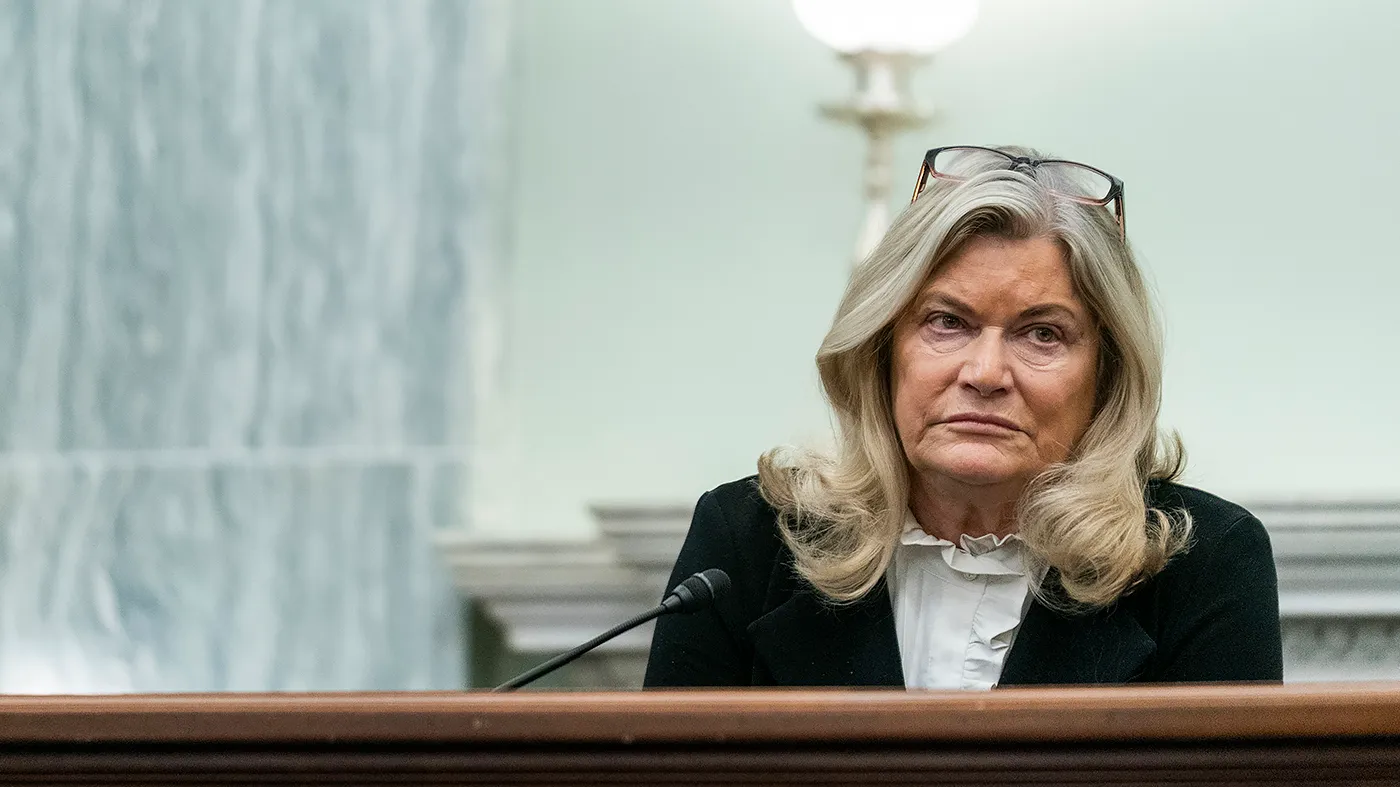
Sen. Cynthia Lummis (R-Wyo.) is ramping up pressure on Democrats to back the Clarity Act as it heads to the Senate floor next week for a procedural vote, highlighting the changes they have secured to the bill throughout negotiations.
Lummis, who chairs the Senate Banking subcommittee on digital assets, argued Thursday that Democrats have secured more than 100 revisions to the cryptocurrency regulation bill.
Her office pointed to 114 “substantive, distinct wins requested by Democrats and agreed to by Republicans” in a document shared first with The Hill.
This included changes to the framework through which the Securities and Exchange Commission (SEC) regulates digital assets, the application of anti-money laundering laws and the oversight of nondecentralized finance platforms.
“I’ve bent over backwards to make this a truly bipartisan bill that both sides can be proud of and which protects both consumers and this industry,” Lummis said in a statement to The Hill.
“The facts show that Democrats have received significant, substantive wins in this bill,” she continued. “It’s time for them to lock those wins in and help us pass this bipartisan bill, so America continues to lead the world when it comes to digital assets.”
The push comes as key Democrats, as well as a handful of Republicans, continue to voice concerns about the Clarity Act ahead of Tuesday’s vote.
The central concern among Democrats is ethics. They have long pushed for a provision restricting the ability of elected officials to profit off the industry amid concerns about President Trump and his family’s various crypto-related business ventures .
The White House approved ethics language in late July barring public officials and their spouses from issuing or sponsoring digital assets, while tasking the Department of Justice with enforcing the measure.
However, Democrats pushed back on the provision, arguing state attorneys general should be in charge of enforcement.
Lummis took aim at her colleagues across the aisle Tuesday, suggesting they are demanding changes that “would give future regulators the ability to kill the crypto industry.”
“If this bill fails it won’t be because of ethics, it will be because Democrats didn’t join Republicans in embracing a bipartisan bill that protected consumers, cements America’s leadership in digital assets, and empowered law enforcement to clamp down on illicit finance,” she wrote on the social platform X .
Several Republicans have also voiced reservations about a stablecoin provision in the bill.
Stablecoins, digital tokens tied to stable assets like the U.S. dollar, are regulated by the GENIUS Act. Since the measure was signed into law by Trump last year, the banking industry has argued it left open a loophole that could threaten their lending capabilities.
After a months-long fight earlier this year, senators struck a bipartisan compromise to include language in the Clarity Act to further restrict crypto firms from offering rewards on stablecoins.
But banking trade groups contend it doesn’t go far enough. And some GOP lawmakers, such as Sen. Mike Rounds (S.D.) and Jerry Moran (Kan.), have said they want to see further changes.
Topics in this story
Gathered from external sources. Rights to this text belong to whoever originally published it.