Nvidia dismisses report alleging Chinese executive tied to CEO passed intel to Beijing
Nvidia dismissed a new report that CEO Jensen Huang was targeted by a Chinese intelligence asset, stating the diversion allegations were “thoroughly investigated and debunked last year.” The New York Times published a report Thursday finding American spy agencies last year discovered Alice Huang, an executive at the Singapore-based data center Megaspeed, funneled information to…
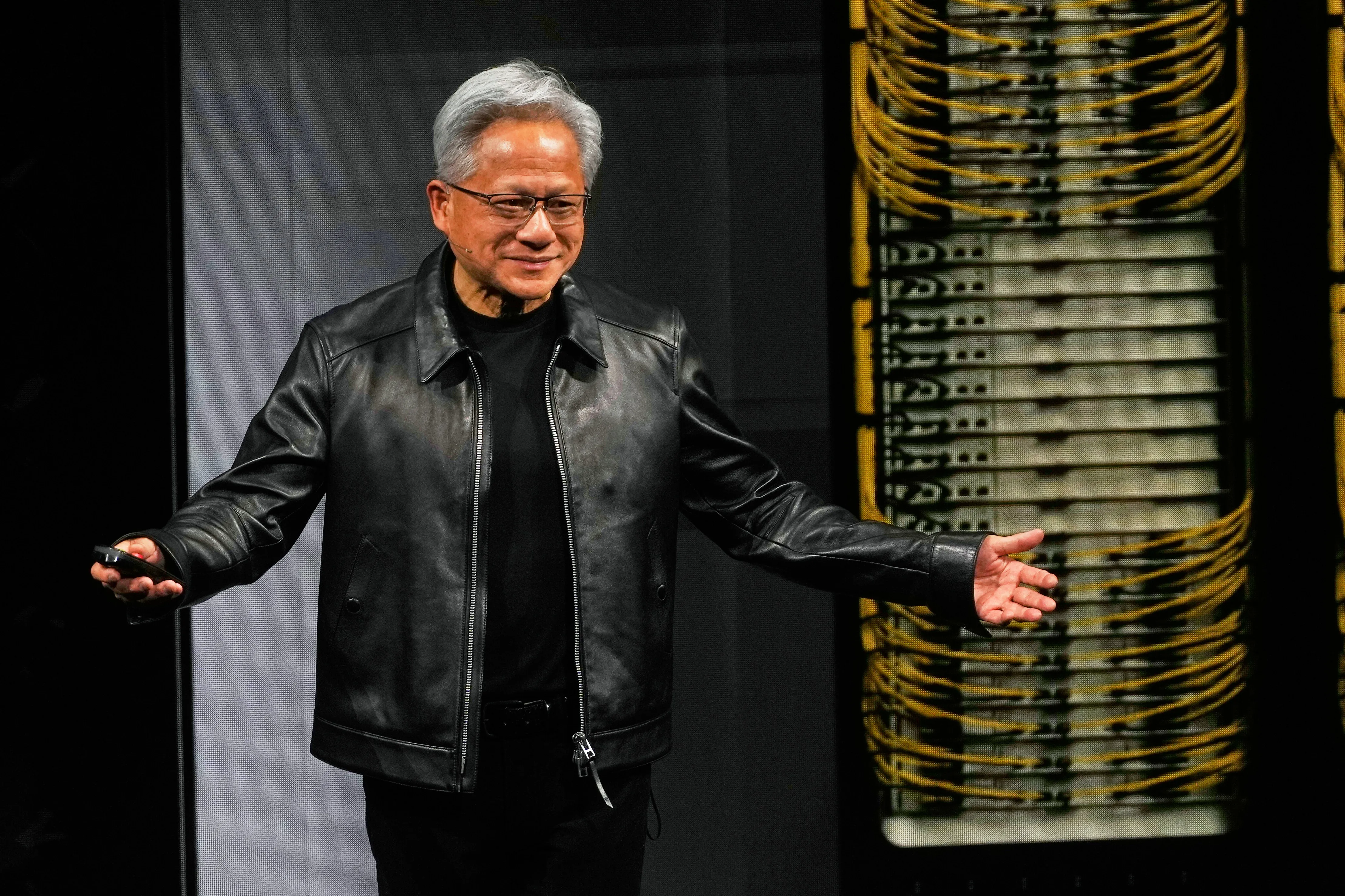
Nvidia dismissed a new report that CEO Jensen Huang was targeted by a Chinese intelligence asset, stating the diversion allegations were “thoroughly investigated and debunked last year.”
The New York Times published a report Thursday finding American spy agencies last year discovered Alice Huang, an executive at the Singapore-based data center Megaspeed, funneled information to Beijing while developing a “close relationship” with Jensen Huang.
According to the report, President Trump was briefed about the intelligence about a year ago but did not take further action. Trump, the Times reported, was hesitant to interfere with Nvidia’s chip sales and the U.S.’s trading relationship with China.
The Nvidia chief, a key Trump ally , has navigated a delicate trade war between the U.S. and China over the past year and a half. Amid fierce competition on AI development , the U.S. has restricted most advanced tech infrastructure sales to Beijing, though the Trump administration allowed Nvidia to sell some of its older AI chips to China last year.
Citing anonymous sources briefed on the surveillance, the Times reported American officials were concerned about Alice Huang’s relationship with the Nvidia CEO, and it “left questions about whether she could be gleaning information” about the U.S. tech company.
“The diversion allegations against this regional cloud were thoroughly investigated and debunked last year,” an Nvidia spokesperson told The Hill.
Jensen Huang’s interactions with Alice Huang were “not unusual or unexpected,” the spokesperson added. “Megaspeed has been no different than many other regional cloud customers. Meetings with customers are part of a CEO’s job; Jensen talks with thousands of customer executives every year.”
The spokesperson maintained Nvidia’s regional cloud customers receive “ordinary business information” and “not sensitive Nvidia trade secrets and zero information relevant to national security.”
Jensen Huang has not received a defense briefing, the Times reported. The company spokesperson said the tech giant is “confident that if the U.S. government believes that any person is a threat to American industry, it would let us know.”
“We often receive updates from the U.S. government regarding parties and entities of concern and always act accordingly,” the spokesperson added.
The anonymous sources told the Times that companies associated with Alice Huang have continued to buy Nvidia chips. The Hill reached out to Megaspeed for comment.
Following years of export controls on the U.S.’s most advanced AI chips and chipmaking materials to China, the country has sought technological self-reliance through chip giants like Huawei. The spokesperson for Nvidia pointed to this dynamic, writing, “The PRC government is not seeking NVIDIA products from regional clouds. Instead, the PRC government blocked U.S. AI chips, protecting its own industry and resulting in the largest write-offs in U.S. tech history.”
The White House did not immediately respond to request for comment.
Topics in this story
Gathered from external sources. Rights to this text belong to whoever originally published it.