Iran targets US sites in Bahrain after 2-month pause
Iran on Tuesday fired multiple one-way attack drones toward a U.S. radar facility in Bahrain, marking renewed strikes on American targets in the region after a quiet period of about two months. The drones were intercepted “without any damage to U.S. equipment or injury to American personnel, according to U.S. Central Command, which denied claims…
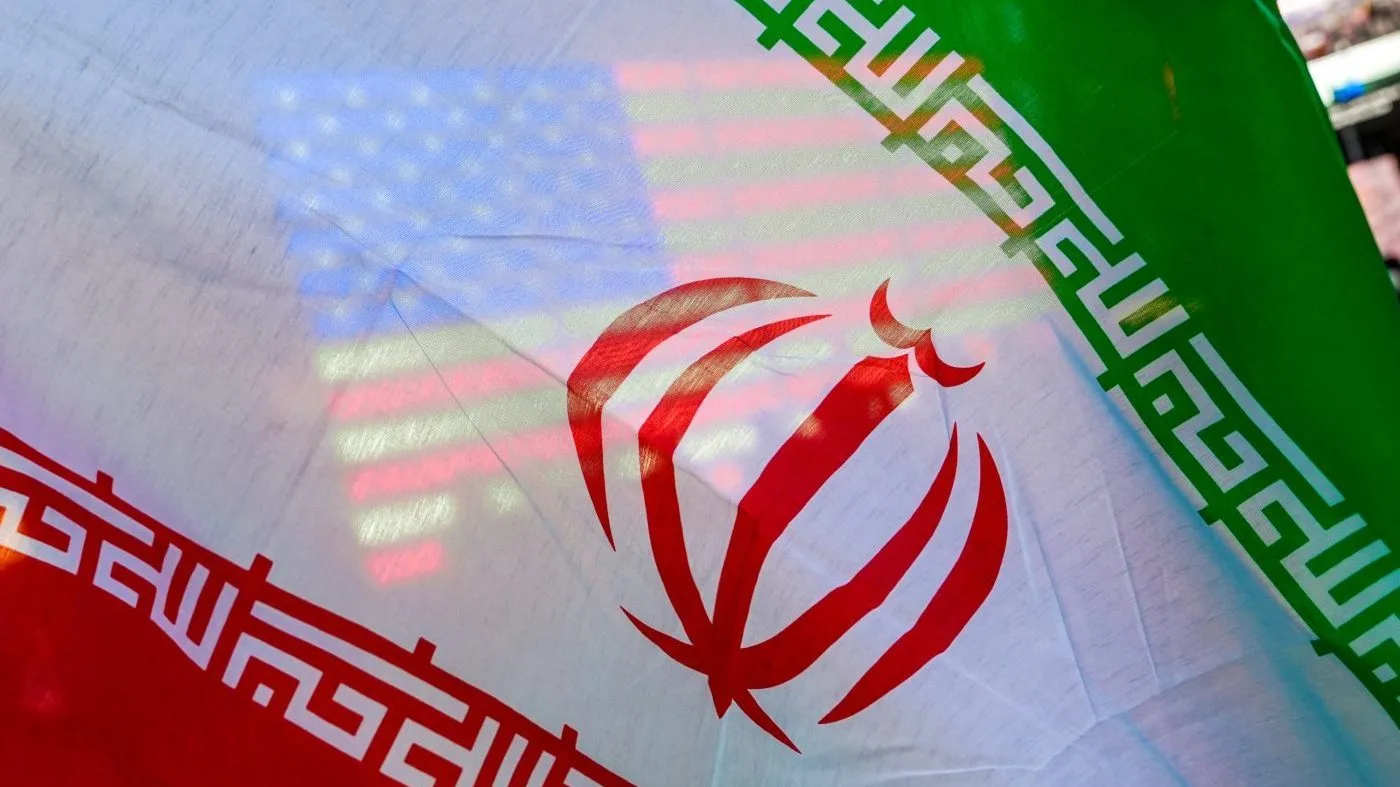
Iran on Tuesday fired multiple one-way attack drones toward a U.S. radar facility in Bahrain , marking renewed strikes on American targets in the region after a quiet period of about two months.
The drones were intercepted “without any damage to U.S. equipment or injury to American personnel, according to U.S. Central Command , which denied claims from Iran’s Revolutionary Guard that its drones hit a U.S. military radar system.
Bahrain separately said that its air defense systems had successfully intercepted the “treacherous Iranian aerial attacks.”
This marks the third such reported attack in recent days on U.S. interests in Bahrain after Washington and Tehran since September have largely held off on larger-scale barrages against each other, seen in the earlier days of the U.S.-Israeli war on Iran.
Iran also targeted an American early warning radar facility in the Persian Gulf country on Friday, and a radar system at a U.S. helicopter base there on Sunday. Tehran said the attacks were retaliation for reported U.S. strikes on its communications towers and drone surveillance.
“Continued aggression against the country’s airspace, as well as the use of regional military bases and facilities for hostile acts against Iran, will not go unanswered,” the Revolutionary Guard said in a statement.
President Trump has declared the conflict “effectively over” even as he has not ruled out restarting major combat operations. He also dismissed reports of a “ dirty bomb ” threat on Tuesday, saying the administration was keeping an eye on it.
The U.S. has maintained a naval blockade on Iranian ports in the Strait of Hormuz since summer, an effort that has crippled Iran’s economy but has come at a significant cost to the Pentagon’s coffers. The total cost of the fight as of Oct. 16 is estimated at $47.1 billion.
Adding to that effort, a third aircraft carrier, the USS Theodore Roosevelt, arrived in the region this week along with an air wing of F/A-18E/F Super Hornets and EA-18G Growlers electronic warfare aircraft.
In addition, the U.S. military reportedly carried out a series of secret attacks against Iran in the lead-up to America’s midterm elections. Trump has insisted there is no return to fighting even as the war stretches into its ninth month, has sent fuel costs soaring and is largely blamed for costing Republicans both the House and the Senate in the midterms.
Talks between the two sides, mediated by Qatar, were renewed earlier this month but appear to have stalled yet again.
Trump has said that the U.S. does not need a deal with Iran and has directed Vice President Vance to shift away from focusing on peace talks to the administration’s anti-fraud agenda.
Topics in this story
Gathered from external sources. Rights to this text belong to whoever originally published it.