It’s not just Flock. These cameras, ALPRs may also be in your community
Backlash to Flock cameras has been growing in recent months, but the surveillance equipment company isn’t the only one that may be operating in your neighborhood.
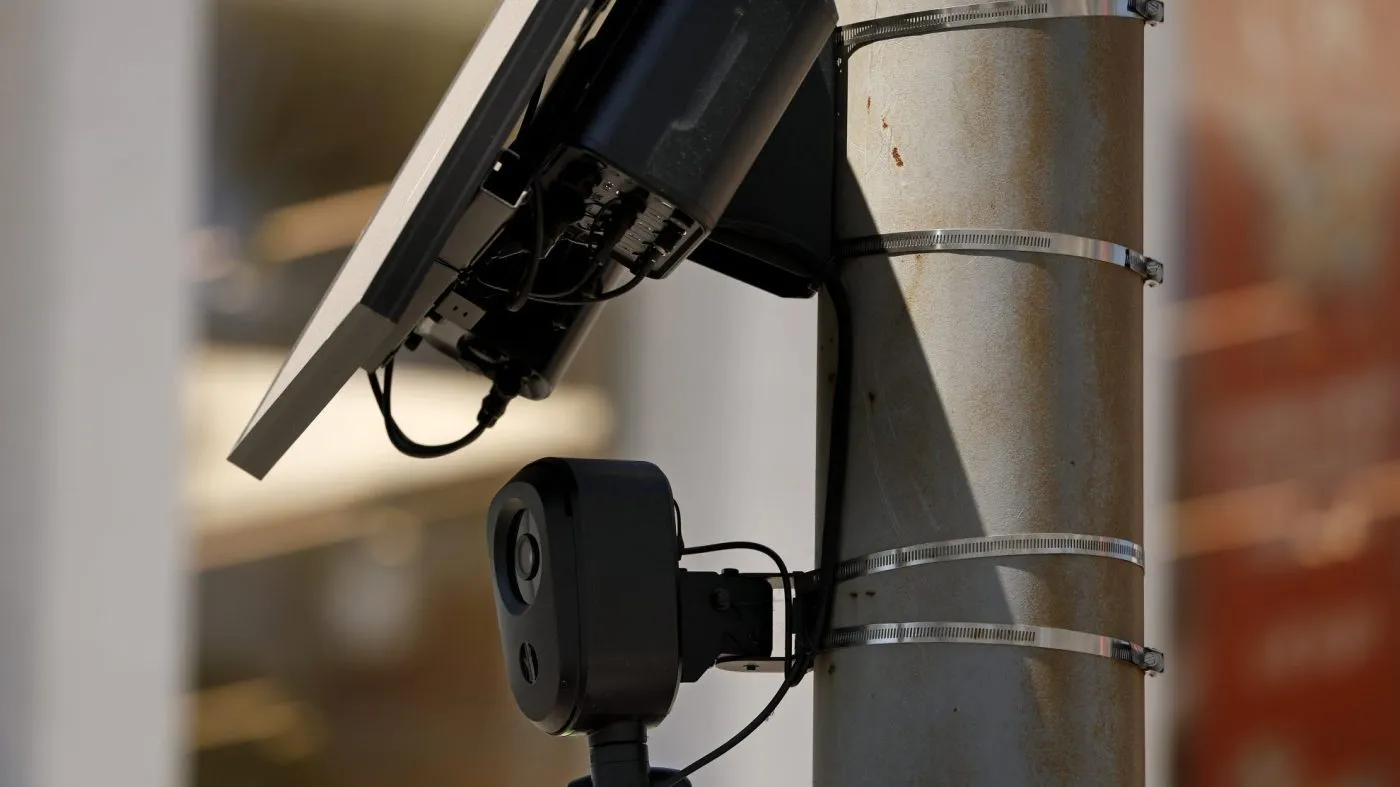
(NEXSTAR) – Backlash to Flock cameras has been growing in recent months , but the surveillance equipment company isn’t the only one that may be operating in your neighborhood.
Flock Safety may be the best-known modern creator of these types of license plate readers, which collect data as they record passing traffic. Flock’s prominence is likely tied to its massive footprint – the company says it partners with more than 5,000 law enforcement agencies across 6,000 communities.
But pushback against Flock cameras has grown, and some cities have decided to ditch the brand of solar-powered license plate readers. Others are switching to automated readers created by different companies, like Axon. These companies have a similar business model, but haven’t been the target of as much public scrutiny.
DeFlock, an organization that maintains a crowd-sourced map of automated license plate reader (ALPR) locations , shows the locations of cameras made by different manufacturers.
Of the approximately 138,000 cameras it has mapped across the continental U.S., DeFlock reports about 82 percent are made by Flock Safety. Another 5 percent are made by Motorola Solutions and 2 percent are made by Genetec . Smaller companies like Axon , Axis Communications and Neology are also listed.
All these ALPR companies work similarly. Proponents argue the cameras help law enforcement solve crimes, but critics say the data could be misused to track anyone, even those not accused of crimes, with little oversight.
The cameras passively collect data on cars that pass by, putting all that information – which goes beyond license plates and can include details like a car’s bumper stickers – into a searchable database. The companies have different default policies on how long data is stored and how they use AI tools to search their databases.
These differences are notable, writes Jay Stanley , a senior policy analyst with the ACLU Speech, Privacy, and Technology Project. For example, while Flock and Motorola have nationwide law enforcement data sharing, Axon does not.
“At the same time, communities can’t simply assume that their residents will be better off from a privacy and civil liberties perspective by dropping Flock and replacing it with another ALPR provider, as some customers have done. They should ask hard questions about whether they really want to create that kind of a system, and if they do, ensure it doesn’t function as a mass surveillance system,” Stanley says.
Which ALPR cameras are in my neighborhood?
You can take a closer look at which cameras are near you by using DeFlock’s crowd-sourced map of ALPR locations around the U.S. “Camera locations come from volunteers and the OpenStreetMap community, not a private company or government agency,” DeFlock says.
You can zoom into the map below to explore the reported locations of cameras in your neighborhood, according to DeFlock’s crowdsourced data.
To open the map above in a new tab, click here .
Nexstar could not independently verify the camera locations.
Topics in this story
Gathered from external sources. Rights to this text belong to whoever originally published it.