These 14 Democratic senators voted to loosen environmental laws to speed up energy build-out
The Senate voted late Thursday night to pass a law that seeks to speed up the nation’s energy and infrastructure build-out, including by loosening its environmental laws. The bill was a bipartisan push, spearheaded by Sens. Sheldon Whitehouse (D-R.I.), Martin Heinrich (D-N.M.), Shelley Moore Capito (R-W.Va.) and Mike Lee (R-Utah). Nevertheless, most Democrats opposed the…
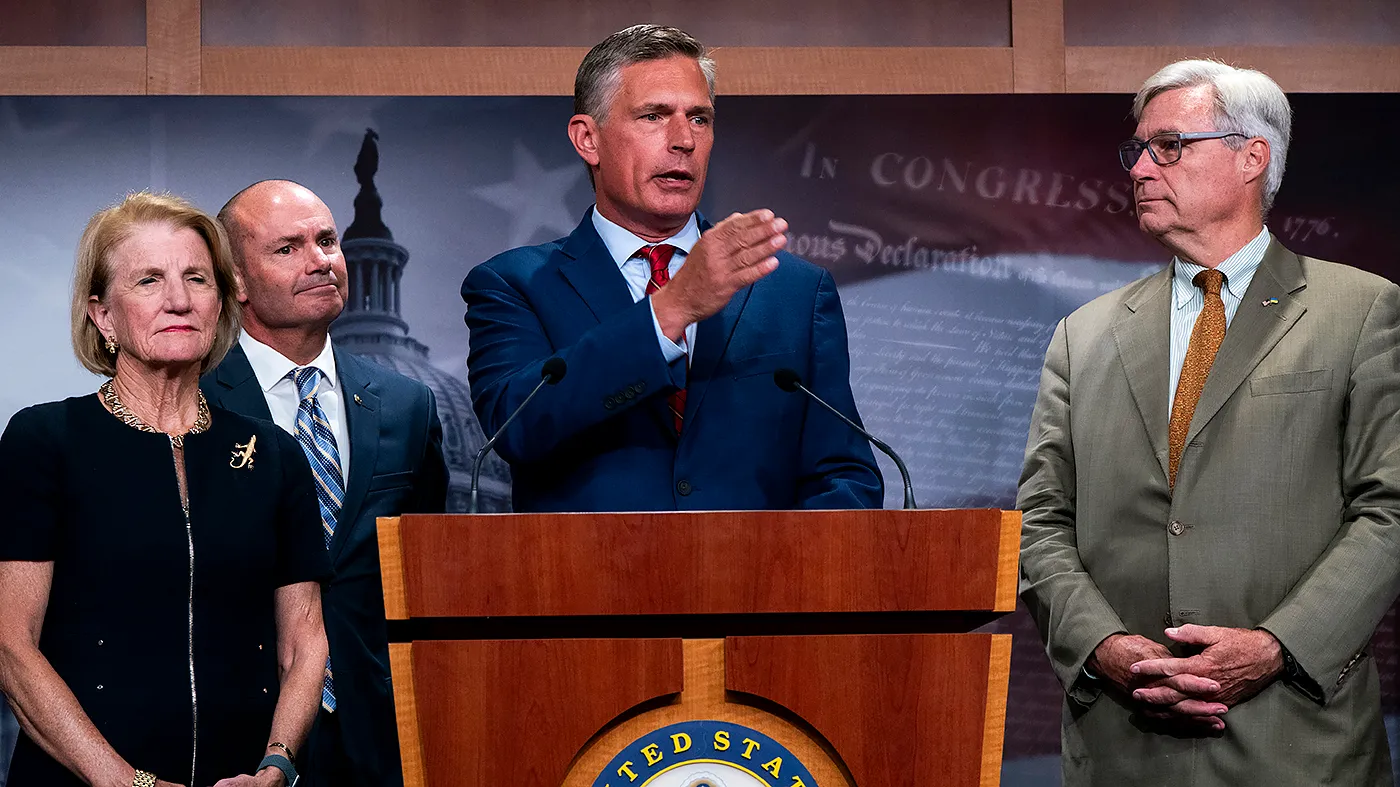
The Senate voted late Thursday night to pass a law that seeks to speed up the nation’s energy and infrastructure build-out, including by loosening its environmental laws.
The bill was a bipartisan push, spearheaded by Sens. Sheldon Whitehouse (D-R.I.), Martin Heinrich (D-N.M.), Shelley Moore Capito (R-W.Va.) and Mike Lee (R-Utah).
Nevertheless, most Democrats opposed the law, citing among their concerns its loosening of environmental laws, lessening of tribal input into projects that may impact them and potential to bolster fossil fuel production and infrastructure.
BestReviews is reader-supported and may earn an affiliate commission.
The bill makes changes to the Clean Water Act, the National Environmental Policy Act and the Endangered Species Act.
This includes language that makes it harder for the Environmental Protection Agency (EPA) and states to block projects on environmental grounds.
It also includes language exempting certain activities, including expansions to natural gas pipelines; makes it more difficult for opponents of a project to sue over it; extends how long water quality permits can last before they need to be renewed; and adds hurdles to the EPA’s ability to set water quality criteria.
It also changes the Endangered Species Act, including a change to the definition of “best available science,” which is required to be used to determine whether a species should get legal protections, in a way that environmentalists say creates a high threshold for protections.
These fourteen Democrats voted for it: Whitehouse, Heinrich and Sens. Chris Coons (Del.), John Fetterman (Pa.), Ruben Gallego (Ariz.), John Hickenlooper (Colo.), Amy Klobuchar (Minn.), Gary Peters (Mich.), Jack Reed (R.I.), Jacky Rosen (Nev.), Brian Schatz (Hawaii), Chuck Schumer (N.Y.), Elissa Slotkin (Mich.) and Mark Warner (Va.). Also among the yes votes was Sen. Angus King (I-Maine), who caucuses with Democrats.
The bill also contains significant wins for Democrats on climate and renewable energy — and the bill’s Democratic supporters point to analyses showing that it’s actually projected to bring down U.S. emissions.
Among the key provisions expected to bolster solar and wind power is a new authority granted to the Federal Energy Regulatory Commission allowing it to approve new power lines when states choose not to, which is expected to help get more renewable power onto the grid.
It also contains provisions that would force data centers to pay for any electricity cost increases their demand would cause. Supporters of the bill have pointed to one analysis saying it will save consumers $50 to $78 per year on their electric bills in 2040.
Whitehouse and Heinrich have been championing the legislation, calling it a win for the climate as well as affordability.
“The Bipartisan American Affordability and Jobs Act will get more affordable energy onto the grid faster, make data centers pay their fair share of electricity and grid costs, and create more than 100,000 good-paying American jobs — all while maintaining important environmental protections and strengthening Tribal consultation,” Heinrich said in a statement on the legislation.
“This bill kicks off Democrats bringing down energy costs, lowering emissions, creating well-paying jobs, and ending the free ride for data centers,” Whitehouse said in his own statement. “Americans will quickly begin getting some relief on their energy bills if the House follows suit.”
Other Democratic and Democratic-caucusing supporters seemed torn. In a statement shared with The Hill, King said his vote “wasn’t an easy choice.”
“I listened to my environmental friends in Maine, many of whom were opposed to the bill. I talked to people in the energy field, particularly in the renewable field, and decided that on balance this bill is a lot better than the status quo,” King said.
“This bill unlocks an enormous amount of renewable energy that is now basically unable to get to the market because of a lack of transmission,” he added.
Topics in this story
Gathered from external sources. Rights to this text belong to whoever originally published it.