Monarch butterflies are heading south. This map shows when they'll pass over you
Cooling weather and changing winds are helping monarch butterflies begin an extraordinary journey of up to 3,000 miles.
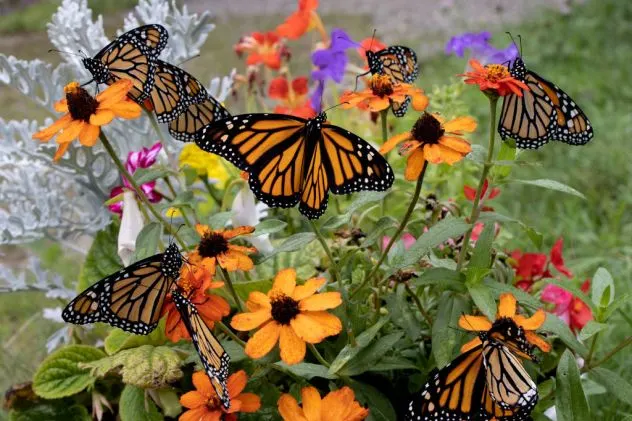
An orange-and-black wave is moving south across North America as monarch butterflies embark on one of nature's most remarkable migrations.
As autumn approaches across North America, temperatures fall, daylight fades and milkweed begins to die back. Monarchs born during late summer then begin a journey that can stretch up to 3,000 miles, according to the Xerces Society.
Most monarchs east of the Rocky Mountains fly toward the oyamel fir forests of central Mexico . Many western monarchs migrate toward sheltered groves along the California coast.
Unlike earlier generations, which typically live for only two to six weeks, this migratory "super generation" can survive for up to nine months. The butterflies spend the winter in warmer climates before beginning the return trip north in spring.
The migration begins during August in southern Canada and the northern United States before gradually shifting south through September and October.
Monarch Watch estimates peak abundance around the Great Lakes and portions of the central United States from early to mid-September. The best window shifts toward the central Plains and mid-Atlantic during the second half of September.
Monarch numbers typically peak across parts of the southern Plains and upper parts of the South from late September into early October. The migration reaches the Gulf Coast during October, with many eastern monarchs arriving in central Mexico from late October into November.
The schedule can vary with the weather. Strong southwesterly winds can slow the butterflies' progress, while passing cold fronts and favorable winds from the north or northwest can send large numbers southward.
Monarchs conserve energy by riding air currents and can travel more than 100 miles in a day when conditions are favorable.
Where to look for monarch butterflies during migration
Migrating monarchs fly individually during the day but often gather in trees at night, forming temporary roosts that may contain dozens, hundreds or even thousands of butterflies.
One migration hotspot is northwestern Ohio, where monarchs have recently been spotted in high numbers near Ottawa National Wildlife Refuge. During migration season, the Friends of Ottawa National Wildlife Refuge are hosting monarch hikes around Port Clinton and Oak Harbor , giving visitors a chance to search for the butterflies along their southbound route.
Parks, meadows, wildlife refuges and gardens with abundant late-blooming flowers are among the best places to look. Goldenrod, asters, blazing star, coneflowers and other nectar-rich plants provide critical fuel for the journey.
Sunny mornings and afternoons are generally best for seeing active monarchs, especially after temperatures climb above 55 F. Those hoping to spot a roost should look in sheltered trees during the early morning or near sunset, when the butterflies are more likely to cluster together. Rain, strong winds and chilly conditions can sharply reduce activity.
Monarchs typically begin reaching their winter groves in California during October and remain into early February. The Xerces Society says mid-November through December is usually the best time to see large aggregations at public sites such as Natural Bridges State Beach, Pacific Grove Monarch Sanctuary and Pismo State Beach Monarch Butterfly Grove.
How to help migrating monarchs on their journey
One of the easiest ways to help is to leave late-blooming flowers in place through the first frost. Migrating adults depend on nectar to replenish the energy needed for their long flight.
The U.S. Fish and Wildlife Service recommends planting flowers native to the region that bloom through October. Even a small garden or balcony planter can provide a valuable stopover.
Native milkweed is also essential because it is the only plant on which monarchs lay their eggs and the only food their caterpillars eat. Gardeners should choose milkweed species native to their area and limit the use of pesticides and herbicides.
Observers should avoid touching or handling monarchs and remain on marked paths when visiting overwintering groves. Sightings of wild monarchs and overnight roosts can also be submitted to community science programs such as Journey North, helping researchers track the migration.
The butterflies making this fall's journey have never traveled the route before. Yet, despite being several generations removed from the monarchs that last occupied the winter groves, they can find the same sheltered forests used by their ancestors.
Topics in this story
Gathered from external sources. Rights to this text belong to whoever originally published it.