New Zealand began removing invasive weeds from Staveley Camp forest in 2017; years of monitoring later found native regeneration and growing birdlife
A patch of native forest can take years to show what careful restoration has achieved.
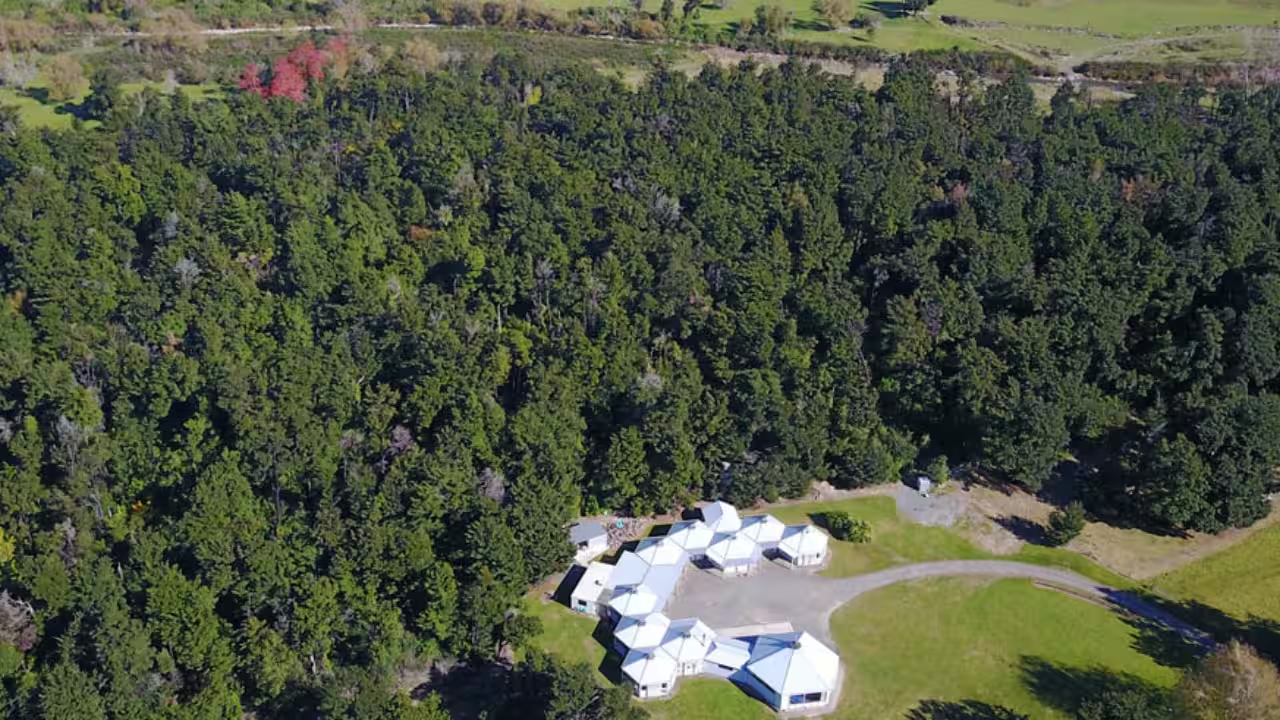
A patch of native forest can take years to show what careful restoration has achieved. At Staveley Camp in mid-Canterbury, New Zealand, the work began in 2017 with a modest effort to control invasive plants that were spreading through an existing forest remnant, as reported by Environment Canterbury Regional Council. Since then, the project has involved sustained weed removal, pest control and help from local volunteers, schools and environmental groups. Monitoring carried out over five years has since recorded more native plants growing back in cleared areas and changes in the birds using the forest. The results have drawn attention to the value of protecting surviving native habitat, rather than relying solely on creating new areas of woodland.Staveley Camp native forest restoration helps invasive weed removal revive native plantsWhen Gen de Spa began working at Staveley Camp in 2017, her initial contract covered 150 hours of controlling cotoneaster and Darwin’s barberry, two invasive plants that had become established in the forest. It soon became apparent that the work would require a much longer commitment. Seed-producing trees and shrubs were spreading through the area, making it harder for native vegetation to recover.Over the following years, the restoration team removed hundreds of invasive sycamores, rowans, hawthorns, elderberries and cherry trees. Environment Canterbury, the regional council responsible for the project’s funding since 2017, supported the work as part of efforts to protect existing native forest.The results have varied across the site, but areas receiving sustained weed control have begun to regenerate naturally. De Spa, who has served as forest care coordinator for nine years, reported that native plants were returning in a range of forms and at a faster pace than she had expected in some places. A particularly welcome discovery was a mahoe plant, a native New Zealand tree that she had not previously encountered at the site. Birds may have carried its seeds into the forest.Staveley Camp restoration brings more kererū, fantails and silvereyesThe return of native vegetation has coincided with changes in the birds seen at Staveley Camp. Kererū, New Zealand’s native wood pigeon, are now regularly observed in flocks, alongside pīwakawaka, or fantails, and tauhou, also known as silvereyes. De Spa recalled, “For the first six years I watched the kererū population sit at two or three birds,” Gen said. “Then in 2024 it jumped to four and in 2025 to seven.”Even so, the sequence provides a useful indication of how wildlife activity has changed during the restoration period. Native forest provides birds with food and shelter, while the removal of invasive vegetation can help restore the variety of plants on which the wider ecosystem depends.Pest management has formed another part of the effort. Possums, rats, hedgehogs and mice can put pressure on native wildlife, so local groups have supported control work intended to reduce their impact. The Methven and Foothills Birdsong Initiative has been among the community organisations involved in efforts to improve conditions for native birds.Volunteers have helped sustain the restoration workStaveley Camp is used by community organisations, retreat groups and schools, giving the forest a role beyond conservation. Volunteer weeding days and environmental education activities have brought hundreds of people into contact with the site and helped build local involvement in its care.The work has also encouraged neighbouring landowners to pay closer attention to native bush on their own properties. Protecting forest remnants often depends on decisions made beyond a single reserve or campsite, particularly where invasive plants can spread from nearby land.De Spa's responsibilities expanded considerably from the initial weed-control contract. She sought funding, arranged volunteer sessions, supported school programmes and documented the history of Staveley Camp and its forest in a book. Her departure from the coordinator role is planned for the end of 2026, after nine years overseeing the project.Sycamores and cotoneaster remain among the plants requiring attention, and continued funding will be needed to prevent cleared areas from becoming overrun again.Biological control adds another toolThe restoration effort has also included biological control of an invasive plant known as Chilean flame creeper. Earlier in 2026, the team released Chilean flame creeper beetles, which are used to help control the plant.The approach differs from manually removing unwanted trees and shrubs. Biological control uses a selected organism to suppress an invasive species, potentially reducing the need for repeated intervention. Its effectiveness depends on how the control agent establishes and affects the target plant, so it is part of a longer management process rather than an immediate solution.At Staveley Camp, this work sits alongside the continued removal of invasive plants and the control of introduced mammals. The combination reflects the range of pressures affecting native forest remnants and the different methods needed to address them.Protecting existing forest can deliver lasting gainsEnvironment Canterbury biodiversity advisor Tilly King said, “Staveley Camp is a great example of what can be achieved when communities, landowners and councils work together over many years,” she said.The five-year monitoring period has recorded native regeneration and increased birdlife, while the longer restoration effort has helped the forest recover from years of invasive plant growth.
Topics in this story
Gathered from external sources. Rights to this text belong to whoever originally published it.