U.K. heatwaves are baking the grass and revealing 300-year-old secret gardens
Severe heatwaves and droughts across the U.K. are scorching the grass and causing long-lost 18th-century gardens and flooded villages to reappear.
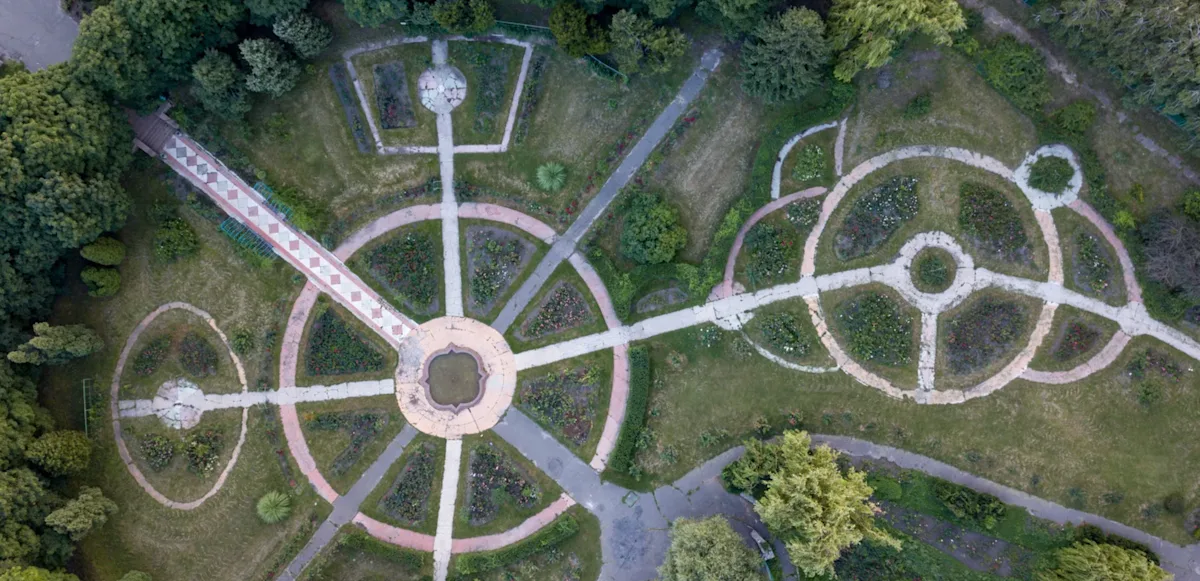
The severe heatwaves baking the United Kingdom are causing plenty of frustration for residents, but the scorching temperatures are providing an incredible silver lining for historians . As water levels recede and lawns bake under the sun, traces of long-lost historical sites are suddenly becoming visible.
Lisa Dowd of Sky News recently reported on the phenomenon, describing the newly exposed sites as "a time capsule that's been opened by this scorching summer."
The extreme weather is revealing history that spans centuries. In the East Midlands, the remains of the lost village of Nether Hambleton have emerged from the mud. The village was deliberately demolished in the 1970s to make way for the Rutland Water reservoir . Falling water levels during the recent drought have laid its stonework and building foundations bare once again.
The heat is also exposing intricate landscaping. At Hardwick Hall, an Elizabethan mansion built in the 1590s for the immensely wealthy Elizabeth Shrewsbury, the parched grass revealed the ghostly outline of former flowerbeds. Laid out in 1833, the beds were arranged in the shape of her initials, "E.S."
A similar discovery occurred at Chatsworth House in Derbyshire . The scorched South Lawn revealed the swirling patterns of the Great Parterre, an ornamental garden created for the 1st Duke of Devonshire around 1699. The garden was covered over and replaced with a new design around 1730.
A spokesperson for the estate explained that the grass planted over the former stone paths and flowerbeds has much shorter roots than the rest of the lawn. When temperatures spike and the ground dries out, that grass burns much faster, creating a temporary visual contrast that highlights the original 17th-century design underneath.
"The heat has had, I suppose you'd call it, a kind of X-ray effect on the ground, with more hidden history being revealed elsewhere too," Dowd reported.
At Blenheim Palace in Oxfordshire, hot, dry weather exposed the outline of a 300-year-old garden that was famously dismantled in the 1760s. Andy Mills, head gardener at the UNESCO World Heritage site , expressed his amazement to the BBC at the sheer scale of the discovery.
"The footprint of it has appeared out on the lawn, and it is absolutely fantastic. It's a huge structure, it's just massive. We know it's there, we know it's under the ground, we know the archaeology is there, and it's just one of those happy coincidences of this very, very hot weather that these things appear," Mills said.
The heatwave is uncovering more modern history as well. Aerial surveys detected the outlines of World War I practice trenches hidden beneath a golf course in Conwy, Wales. In Carmarthenshire, the outlines of World War II-era Nissen huts emerged at Dinefwr Park, where they once served as a military hospital and later as a prisoner-of-war camp.
While the heat remains incredibly uncomfortable, the parched grass is providing a brilliant reminder of the layers of history hiding right below the surface.
The post U.K. heatwaves are baking the grass and revealing 300-year-old secret gardens appeared first on Upworthy .
Topics in this story
Gathered from external sources. Rights to this text belong to whoever originally published it.