Scientists first noticed Alaska rivers turning orange in 2018; new research finds waters in pristine areas can be more acidic and metal-rich than drainage from metal mines
The orange colour creeping through some of Alaska’s rivers is more than an unusual change in appearance; it is a sign that the chemistry of the water is
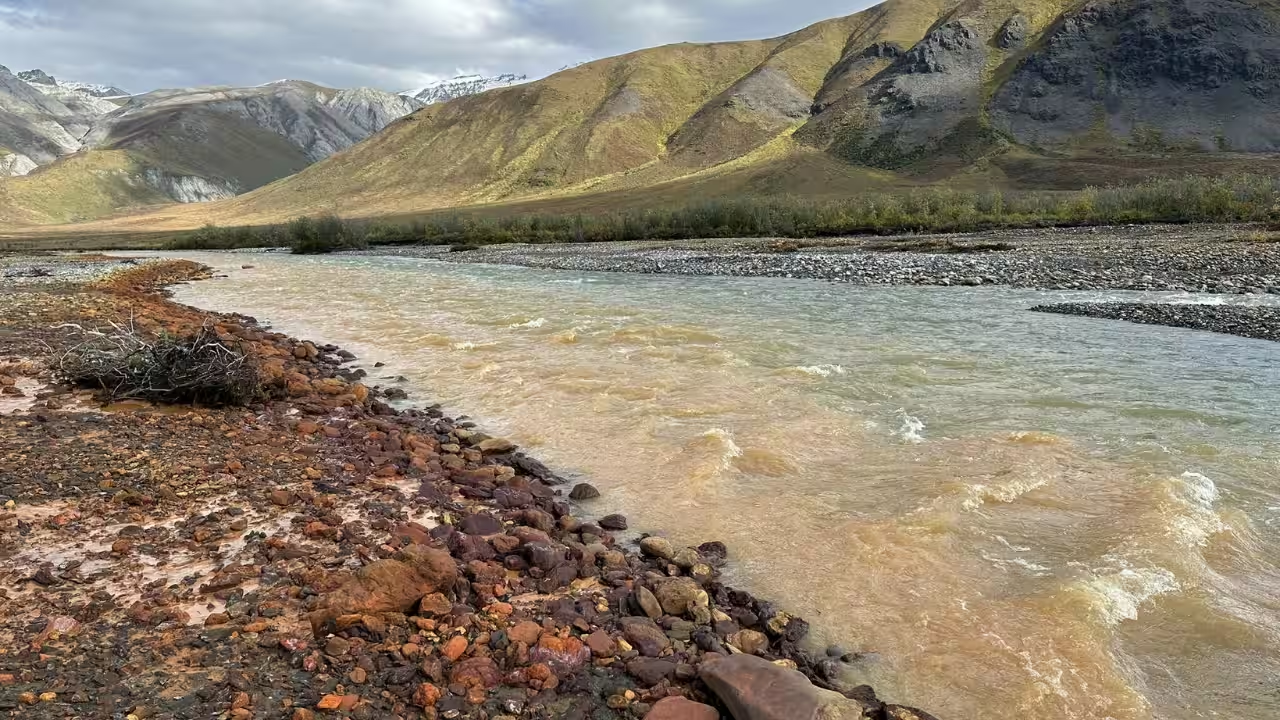
The orange colour creeping through some of Alaska’s rivers is more than an unusual change in appearance; it is a sign that the chemistry of the water is changing too. The phenomenon first caught scientists’ attention in 2018, when once-clear streams in Alaska’s Brooks Range began showing striking orange and rust-coloured sections. Many of the affected waterways are in remote areas, far from the kind of industrial activity normally associated with polluted rivers. As permafrost thaws, water can move deeper into the ground and interact with minerals that were previously less exposed to flowing water, releasing acidity and metals. A new study published in AGU Advances has now examined six watersheds to understand what is happening to the water and how far the changes can spread.Orange water, but a much bigger change underneathThe rusty colour is produced when iron released through these mineral-weathering reactions oxidises, forming orange-coloured deposits. But iron is only part of the story. Water moving through the affected areas can pick up sulfate and a range of metals as it passes through mineral-rich rock. The process is known as acid rock drainage. It can happen naturally, without a mine or other industrial source being present. That distinction matters in Alaska. The orange streams are not simply abandoned mine sites being washed into rivers. Instead, the landscape itself contains minerals capable of producing acidic drainage when conditions change.Thawing permafrost may be helping to create those conditions. Frozen ground affects where water can travel underground. As it thaws, water can penetrate deeper into the landscape and come into contact with sulfide-bearing minerals. When water reaches these minerals, they can weather and release acidity and metals into the drainage. The result can be seen on the riverbanks as orange deposits, but the more important changes are taking place in the water itself.What scientists found in six watershedsResearchers examined six watersheds in Alaska’s Brooks Range between 2022 and 2024, collecting samples from rivers, tributaries and hillside seeps. The chemistry of some of the seeps was particularly striking. Their median pH was 3.2, compared with 8.3 in upstream mainstem rivers. The seeps also contained much higher concentrations of metals and sulfate. Across 23 measured metals, the median combined concentration in the acidic seeps was about 451 milligrams per litre. In the upstream mainstem waters, it was only about 0.1 milligrams per litre. Some of the drainage was chemically similar to water associated with acid mine drainage. In certain cases, concentrations of metals such as zinc, nickel and cadmium were comparable to or even higher than those reported from mine-affected waters in the region.The comparison is striking, but it does not mean the rivers are being polluted by abandoned mines. The study describes the process as natural acid rock drainage. The minerals are part of the underlying landscape, and changing conditions are allowing them to interact more strongly with water.The chemistry can travel downstreamThe orange colour may be most obvious close to the source, but the material released there does not necessarily stay in the same place. As acidic water enters larger rivers, it can be diluted and buffered. That helps explain why the main channels do not always become highly acidic even when they receive water from much more acidic tributaries and seeps.Metals and other substances can still move downstream, however. In the Salmon River, the researchers found elevated levels of sulfate, iron, zinc, nickel and cadmium as far as about 97 kilometres downstream from where the drainage entered the river. Some concentrations were as much as 70 times higher than those measured upstream. That makes the phenomenon more than a local curiosity. A small orange stream in a remote part of the Brooks Range can introduce material that eventually becomes detectable much farther along the river. The researchers point out that these waterways support fish and other aquatic life and are important to communities in the Arctic. Changes in water chemistry therefore raise questions about how continued drainage could affect river ecosystems, particularly in areas where the process is becoming more widespread.Why a warming Arctic may be changing the riversLong-term records offered another clue. In some of the watersheds, sulfate and zinc concentrations rose sharply between 2019 and 2020, with individual increases of up to 263% recorded in the available monitoring data. The timing followed unusually warm conditions and heavy snowfall in the region. The connection to permafrost is important because frozen ground controls how water moves through Arctic landscapes. When it thaws, pathways that were once blocked can open up. Water can then reach deeper rocks, allowing mineral reactions to occur more readily. There is also evidence that the process does not necessarily remain at the same intensity every year. In the Wulik and Agashashok watersheds, sulfate and zinc levels rose sharply before declining between 2021 and 2024. That suggests the chemistry of these drainage systems can change over time rather than simply becoming steadily more acidic.Scientists are now watching the rivers as a way of understanding what a changing Arctic landscape could mean for water quality. The orange colour is the most visible warning sign, but it is what the water carries that has drawn the researchers’ attention. What began as an unusual sight in a handful of remote Alaskan streams has turned into a much broader scientific question: as permafrost continues to thaw, how much more of the minerals locked beneath the surface could become exposed to moving water?
Topics in this story
Gathered from external sources. Rights to this text belong to whoever originally published it.