Indonesia's rainforest regenerated for a decade; 43.8% of bird species increased, but trapping pressure was linked to slower recovery
A decade of forest regeneration in Indonesia’s Harapan Rainforest was linked to rising bird abundance, with 43.8% of bird species showing significant
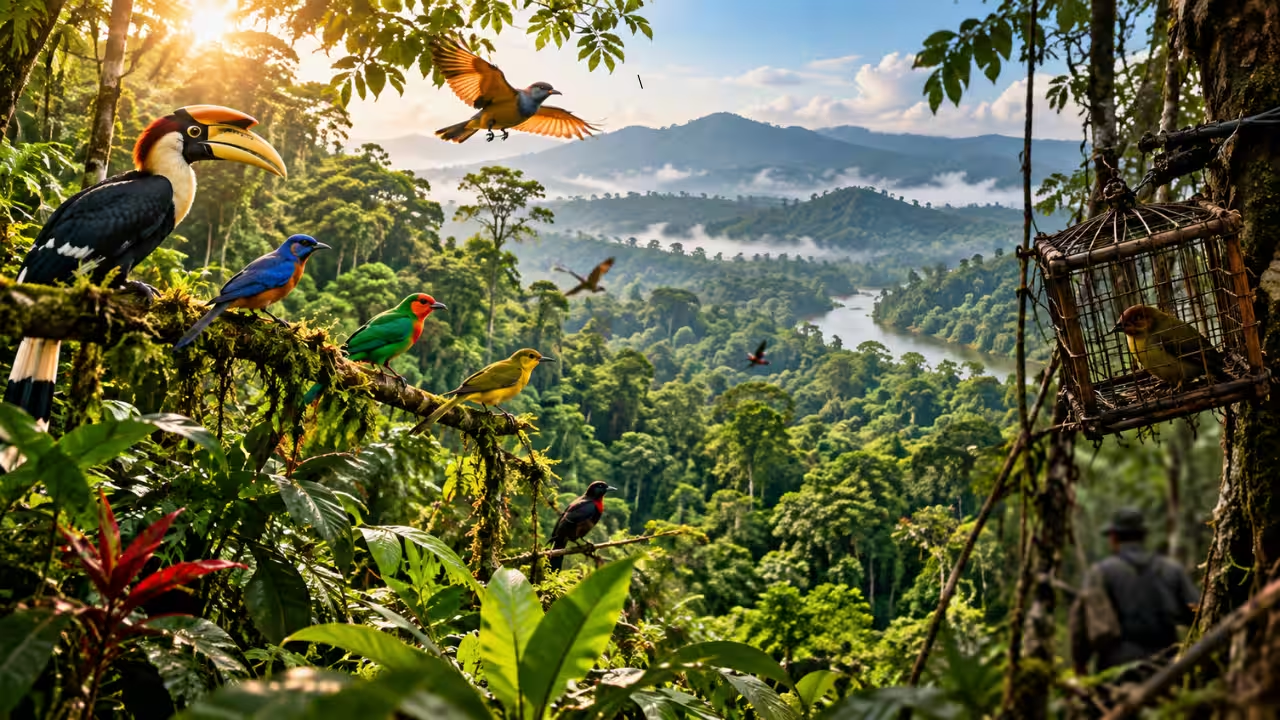
A decade of forest regeneration in Indonesia’s Harapan Rainforest was linked to rising bird abundance, with 43.8% of bird species showing significant increases, according to a study published in Biological Conservation. Researchers surveyed birds between 2009–2011 and again in 2018, recording 187 species across the two periods. However, the study found evidence that trapping pressure increasingly affected bird populations as the forest became more accessible. According to the study published in ScienceDirect, titled ‘Avifauna recovers faster in areas less accessible to trapping in regenerating tropical forests’, the proportion of species with significantly higher abundance in less accessible areas rose from 5.4% to 16.2%. Researchers also found that 14% of species did not recover as quickly as predicted from forest regeneration alone, highlighting the impact associated with wildlife trapping.How did 43.8% of bird species respond to rainforest recoveryThe researchers recorded 187 bird species across the two survey periods. Of these, 122 species were recorded during both periods and were included in the abundance modelling. Among those 122 species, 45.1% showed significantly greater mean abundance in the current period than in the early period, while no species showed a statistically significant decline in mean abundance over time. The researchers reported an average community-level increase in abundance, although the estimated interval meant that this overall change was not statistically significant.The study's headline figure of 43.8% refers to the broader result reported in the abstract: forest regeneration was associated with significant abundance increases for 43.8% of bird species over the decade. The researchers nevertheless found that forest recovery did not occur in isolation from other pressures. Their results showed that forests had also become more accessible to people during the study period, with mean access difficulty falling from 1.32 kilometres during the early period to 0.72 kilometres in 2018. The researchers used accessibility as a proxy for trapping pressure because direct measurement of trapping activity across the landscape was difficult.How did trapping pressure affect bird abundanceThe proportion of species whose abundance significantly increased as access difficulty increased rose from 5.4% in the early period to 16.2% in the current period. The researchers interpreted higher abundance in less accessible areas as being likely linked to the negative effects of trapping, because more remote locations were harder for people to reach. They also found that 48.4% of species increased in the degree to which their abundance was associated with increasing access difficulty.The study also found evidence of a recovery deficit associated with intensified trapping. Fifteen per cent of the species analysed exhibited a significant recovery deficit, meaning their observed abundance was lower than the researchers' counterfactual estimate under a scenario in which trapping pressure had not intensified. The deficit was concentrated in areas with greater human accessibility, with the researchers identifying a zone of reduced recovery around easier-access locations. In the abstract, the authors similarly reported that 14% of species did not recover as fast as predicted based on observed forest regeneration over the study period.Bird trapping differs between targeted and opportunistic speciesTargeted species included birds prized for singing abilities, ornamental attractiveness or body parts, while opportunistically trapped species were those not specifically targeted but still captured and sold when possible. A higher proportion of targeted species showed a significant positive relationship between abundance and access difficulty in 2018, while targeted species also had a higher proportion showing a significant recovery deficit.The researchers also found that forest-dependent species were more strongly associated with less accessible areas than generalist species in the current period and had greater recovery deficits. Their conclusion states that “species prized in the pet trade and those dependent on late-successional forest habitat were particularly concentrated in remote, inaccessible areas”. The study therefore describes two simultaneous patterns at Harapan: bird abundance increased during forest regeneration, while trapping pressure was associated with slower recovery for some species and greater abundance in areas farther from human access.
Topics in this story
Gathered from external sources. Rights to this text belong to whoever originally published it.