Verizon, AT&T and T-Mobile shut out Elon Musk’s phone service. Now the FCC is reviewing SpaceX’s plan to build its own
SpaceX could spend billions to take on Verizon, AT&T and T-Mobile, as Elon Musk’s push into wireless aims to reshape America’s mobile market.
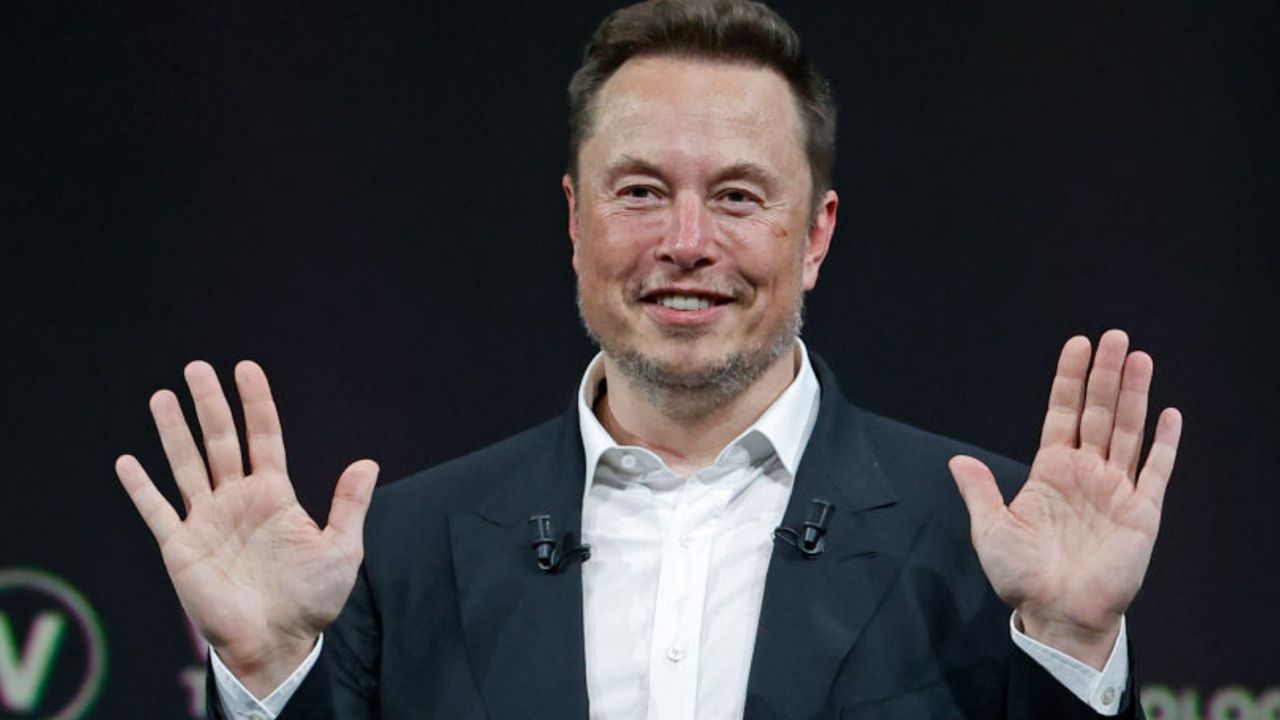
Elon Musk called it "the last critical piece of the spectrum puzzle needed for SpaceX ( NASDAQ:SPCX ) to provide complete phone coverage in America" — and it looks like the puzzle could be close to complete.
The Federal Communications Commission (FCC) announced on Nov. 10 that it had accepted a filing from Musk's Starlink Spectrum Holdings to buy 800 MHz Specialized Mobile Radio Service licenses from investment firm Grain Management.
Jeff Bezos backs a platform that lets anyone invest in rental homes for as little as $100 — 6 ways to build wealth like a landlord without actually being one
Dave Ramsey warns nearly 50% of Americans are making 1 big Social Security mistake. Here's what it is and 3 simple steps to fix it ASAP
A single line on your car insurance policy could be inflating your premium by up to 30% — here's what to change
The deal could come with an $8 billion price tag , as reported earlier by the Wall Street Journal. In a regulatory filing submitted in October, when the proposed purchase was first announced, SpaceX claimed it would "ensure all Americans have access to high-speed mobile broadband no matter where they go." In its announcement, the FCC agreed, noting that access, centered on cellphone tower wireless service, would be available to "approximately 100% of the U.S. population."
The deal could also add to the apparent concerns of the nation's three major carriers — Verizon ( NYSE:VZ) , AT&T ( NYSE:T) and T-Mobile ( NASDAQ:TMUS ) — who all reportedly rejected Musk's previous requests to allow his mobile service to piggyback off their existing networks. The companies, via CTIA, their wireless communications trade organization, also warned the FCC that a wider radio spectrum buildout could "have real consequences for consumers who rely on ever-increasing wireless capacity to access the modern economy and support their day-to-day living."
T-Mobile also appealed separately to the FCC, saying the quality of service in the 5G network could suffer if the agency makes more spectrum bands available. And in October, the three mobile carriers announced their own joint satellite partnership to expand coverage to "underserved areas" across the country.
SpaceX, meanwhile, spent $17 billion to buy spectrum from Boost Mobile parent company EchoStar — a deal the FCC approved in May.
A T-Mobile spokesperson told Moneywise, "We welcome competition because it pushes us to be better and creates more value for customers. Spectrum and towers alone don't make a network. Building a leading wireless network, providing top-of-class service and earning customer trust take significant time, investment and expertise. Satellite technology has an important role in extending connectivity, but it's complementary to terrestrial networks."
Topics in this story
Gathered from external sources. Rights to this text belong to whoever originally published it.