An invasive insect first found in Pennsylvania in 2014 spread across 18 US states; Canada has now confirmed its first spotted lanternfly detection in Windsor, putting grape-growing regions on alert
Wildlife & Biodiversity News: Canada has recently confirmed the first detection of spotted lanternfly in the country. On September 15, 2026, the Canadian Food Inspection Agency (CF.
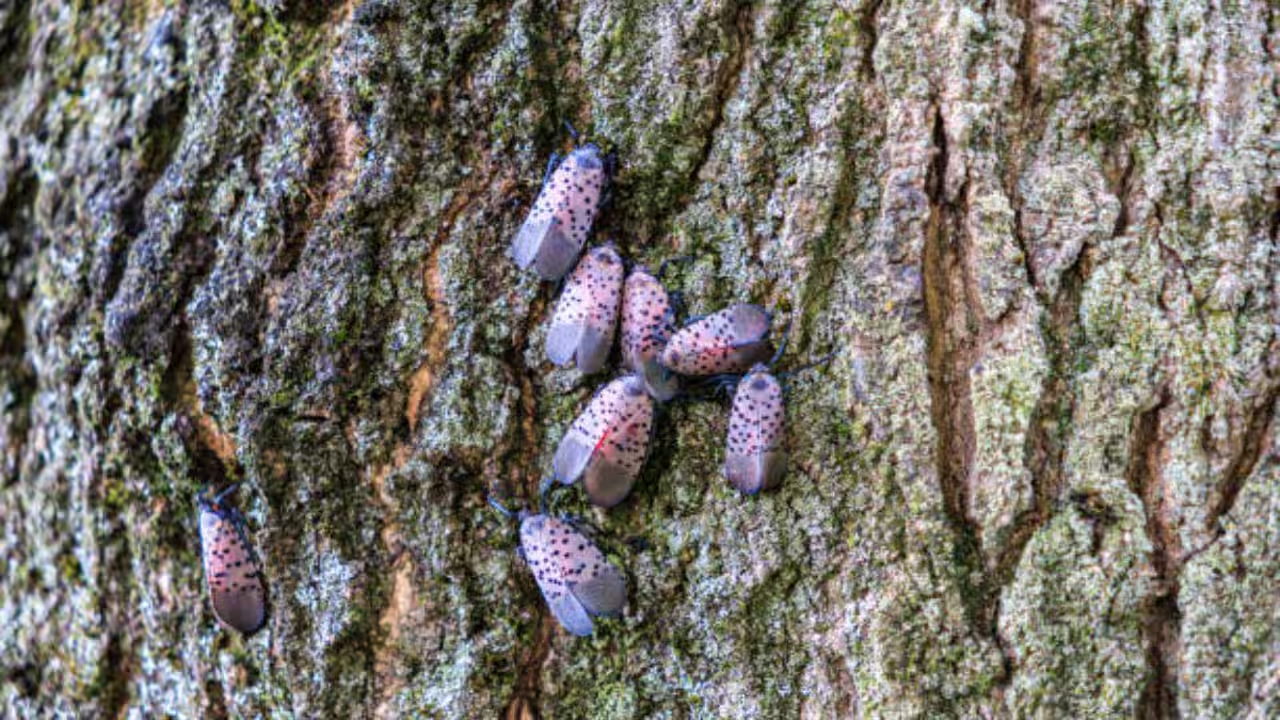
Canada has recently confirmed the first detection of spotted lanternfly in the country. On September 15, 2026, the Canadian Food Inspection Agency (CFIA) confirmed the first detection of SLF in Canada in Windsor, Ontario. Movement restrictions have been placed to prevent the movement of regulated materials, including potentially infested plant materials. Moreover, surrounding areas are under surveillance to determine the extent of the infestation and the next steps.Spotted lanternflies are considered an invasive species in South Korea and the United States. A species is invasive when it’s introduced, often unintentionally by people, to a non-native area and spreads, frequently causing harm to the new environment.They were first reported as an introduced species in Korea in 1932. However, it’s possible that this may have been a misidentification, as none were reported again until 2006, when they suddenly became a common sight.In Japan, the insects may have occurred sporadically since the 1930s, but 2008 saw outbreaks of spotted lanternflies in Ishikawa Prefecture. It was first detected in Berks County in Pennsylvania, North America in 2014. has been regulated in Canada since 2018. It is known to feed on more than 100 species of trees and plants but significant impacts have been noticed on grapes and ultimately, the wine industry. This pest could also have an impact on other crop growers and the horticulture and forestry industries, as well as residential yards and neighbourhood parks. Spotted lanternfly can have widespread economic, ecological, and social impacts if allowed to spread uncontrolled.“You can help identify and report new invasive species, such as spotted lanternfly,” says Colin Cassin, Executive Director of the Invasive Species Centre. “The earlier an invasive species is detected, the better the chances of reducing spread to other areas.”How to offer community support?Spotted lanternfly egg masses appear as grey smears of mud on host trees or any hard surface outdoors. They typically begin appearing in September and throughout winter until they hatch in spring. Early-stage nymphs are typically black with white spots; late-stage nymphs are red with black and white spots. Adults have pinkish-grey wings with black spots. Visible in spring and summer, they tend to congregate in swarms and ascend plants and trees to feed. They also congregate in large swarms on trees, grapevines, and other plants and may be seen from summer until they die in late fall/early winter. Adults are most active in September and October, when they are mating and laying eggs. Honeydew (clear, sticky liquid insect excrement) can accumulate at the base of a host tree. It can foster the growth of sooty mould and often attract bees and wasps.In case you spot any of these, you need to take a photo or video and then put the insect or egg masses into a sealable plastic bag or container. All Canadians must report any suspect sightings of SLF to the Canadian Food Inspection Agency (CFIA) immediately. A good report includes an accurate location and photos of the insect. The CFIA will follow up on reports of spotted lanternfly and take appropriate action, which may include site surveying and insect collection.If you are travelling back from infested areas in US, it is important to check your car, camper, trailer or RV before making the return trip. Be sure to check any camping gear or equipment you have with you before returning to Canada.Inspect items stored outside for egg masses, including your vehicle and patio furniture. Look closely at things like tarps, yard and garden items and sports equipment. Check your yard as well, as the spotted lanternfly could be on your trees and plants.What's at risk?Spotted lanternflies are known to cause severe agricultural damage by secreting sticky waste that grows black sooty mould. Most at risk are cultivated and wild grapes. Large swarms weaken vines, eliminate crop yields, lower winter hardiness, and can kill the plant entirely. Vineyards have reported up to a 90% loss in crop yield. In Pennsylvania alone, if the spotted lanternfly isn’t contained, a 2019 study estimated that they could drain the state’s economy by up to $324 million (£240 million) each year and cause the loss of 2,800 jobs.Trees like maples, black walnuts, apples, and peaches suffer from heavy sap-sucking. High concentrations of the pests can suppress photosynthesis, stunt sapling growth, cause branch dieback, and stress mature trees.Economists estimate that uncontained infestations could cost vulnerable agricultural states like Pennsylvania over $300 million annually in crop losses, nursery impacts, and management costs.
Topics in this story
Gathered from external sources. Rights to this text belong to whoever originally published it.