3 Years Later, Fukushima’s Ocean Discharge Passes 172,000 Tons
Fukushima water discharges hit 172,700 tons with clean monitoring data, but China's seafood ban and billions in losses show science alone can't rebuild marke...
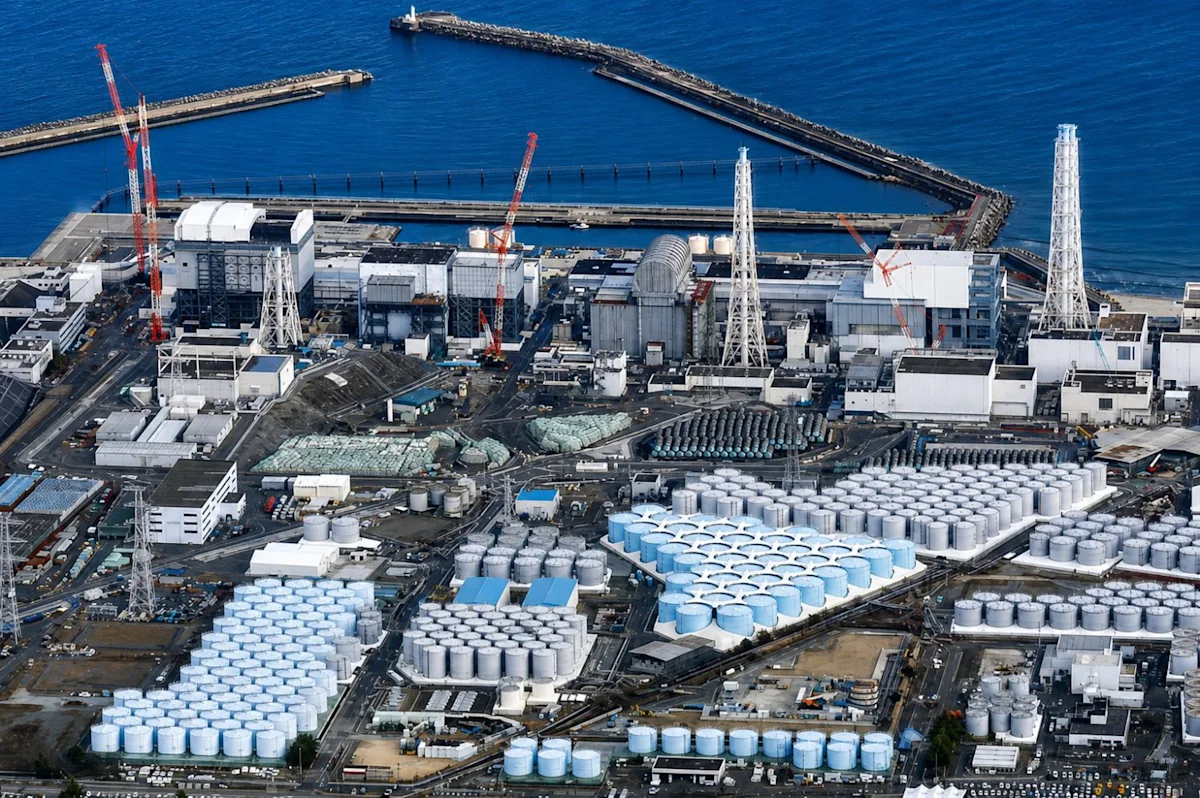
Three years, 22 rounds , 172,700 tons of treated water released into the Pacific. By the engineering scorecard, TEPCO's discharge program at Fukushima Daiichi is running as designed. By the fish market scorecard? That's a different story entirely. Independent monitoring shows no abnormal readings. The IAEA confirms it. And yet Japanese seafood exporters are still absorbing losses, filing compensation claims, and watching certain markets stay closed. The science and the politics have been living in separate apartments since August 2023 — and neither shows signs of moving in together.
Three years of data reveal an operation progressing steadily — but with storage barely dented.
172,700 tons discharged across 22 rounds since August 24, 2023
On-site storage has dropped 7.6% — roughly 1.24 million tons remain across approximately 1,061 tanks; 17 have been dismantled
Water is processed through ALPS , which strips most radioactive isotopes, then diluted until tritium falls below 1,500 Bq/L — less than one-fortieth of Japan's regulatory limit
The discharge point sits 1 kilometer offshore
TEPCO plans eight releases in fiscal 2026; four are complete
IAEA sampling confirmed seawater tritium levels below Japan's operational limit, consistent with TEPCO and Japanese government readings. Seafood testing has returned no abnormal results either, according to IAEA monthly monitoring reports. That said, this is operational monitoring data — not independent peer-reviewed findings. The distinction matters when trust is already thin.
Diplomatic and commercial fallout continues to hit fishing communities long after the science returned clear results.
China imposed a blanket import ban when discharges began in August 2023. Beijing reportedly signaled in June 2025 it would lift restrictions for most of Japan — but Fukushima-prefecture seafood remains effectively locked out. TEPCO has paid 96.7 billion yen in compensation across roughly 1,100 cases, mostly tied to seafood trade losses. The science cleared the fish. The politics did not follow.
Meanwhile, the plant still generates approximately 60 tons of new contaminated cooling water daily. Three years of releases have reduced stored volume by just 7.6%. TEPCO's program runs to 2051. Cleared tank space isn't just a logistics milestone — it's physically required to access and remove melted fuel debris, the most technically complex phase of decommissioning still ahead.
A 28-year program will outlast administrations, trade disputes, and short memories — but market trust moves on its own timeline.
This is a generational undertaking. For coastal fishing communities, the real question was never whether tritium levels clear a regulatory threshold. It's whether a market that lost confidence in 2023 ever fully rebuilds it. Measurement and perception are two entirely different problems, and right now only one of them has a clear answer.
The fishers waiting on China's full market reopening aren't reading IAEA monitoring reports. They're watching sales figures. That gap — between what instruments record and what buyers believe — is the part of Fukushima's decommissioning that no treatment system can fix.
From the coolest cars to the must-have gadgets, GadgetReview's daily newsletter keeps you in the know. Subscribe - it's fun, fast, and free .
Topics in this story
Gathered from external sources. Rights to this text belong to whoever originally published it.