Verizon’s CEO knows Elon Musk is coming for his business. He says it’ll cost SpaceX over $300 billion to compete
“There's no secret sauce, there's no magic wand, there's no structural cost advantage that will come out,” Dan Schulman told Fortune.
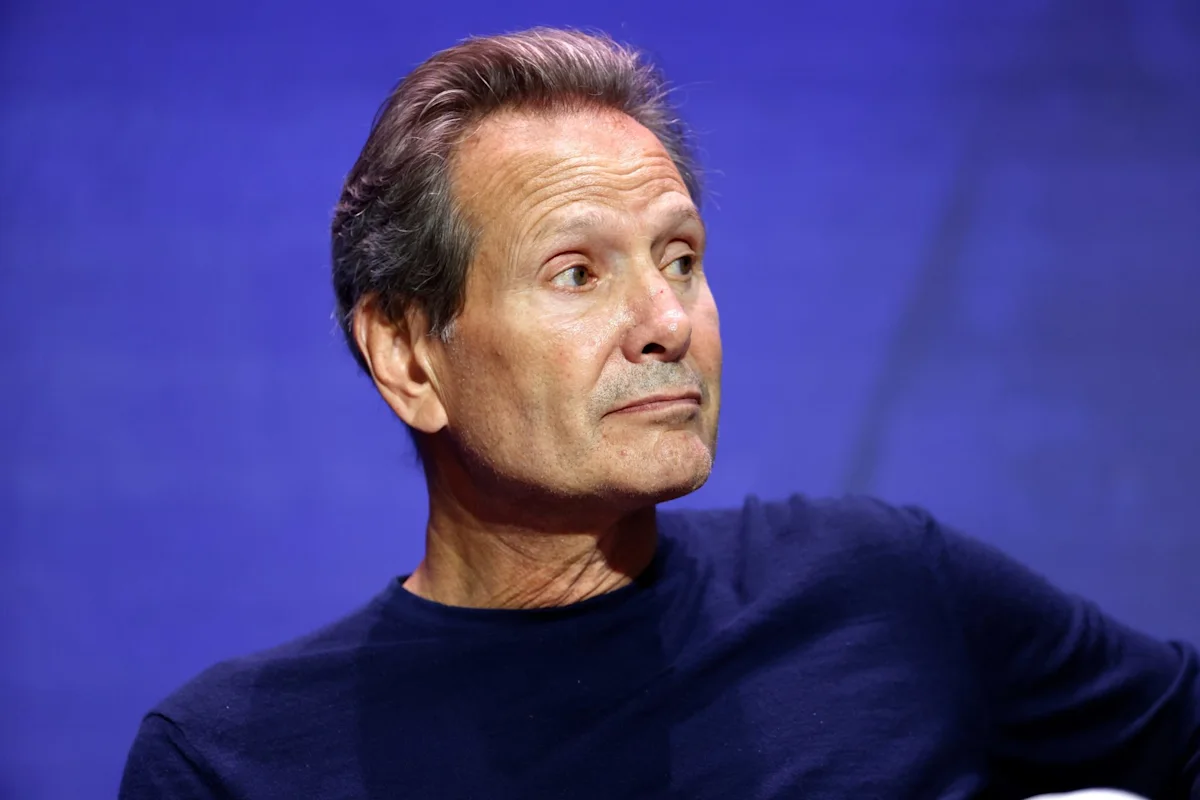
Elon Musk wants Starlink to become a major U.S. phone carrier. Verizon CEO Dan Schulman says that if Musk pulls it off, he'll have spent four to six years and about $300 billion building a copy of Verizon.
"At the end of the day, he might have a network that is pretty much exactly like our network today," Schulman told Fortune Editor in Chief Alyson Shontell on the latest episode of Fortune 's Titans and Disruptors of Industry podcast . "There's no secret sauce, there's no magic wand, there's no structural cost advantage that will come out. He'll have a network, and in four years, five, six years, he'll be the sixth entrant into the market."
Musk added to that picture Wednesday, telling the New York Times DealBook Summit that SpaceX is looking into the production of "micro cell towers" for Starlink Mobile as early as next year, referring to ground hardware that Schulman says turns SpaceX into just another carrier.
Last month, Elon Musk's SpaceX announced plans for satellite internet service Starlink to become "a major mobile carrier in the U.S.," sending telecom stocks plunging and market caps for the three major U.S. carriers sliding by $50 billion. Verizon alone dropped 8.7%, marking its worst single-day performance since 2002.
SpaceX acquired wireless spectrum from telecommunications company Echostar in a $17 billion deal in September 2025, which, following Federal Communications Commission (FCC) approval in May, laid the groundwork for the company to launch the Starlink Mobile, which would differ from other carriers by not requiring a dish or router, but by connecting photos directly to satellites.
The company's October announcement included an update the FCC has approved 15,000 new satellite launches under Starlink Mobile, as well as SpaceX's acquisition of an additional 14 MHz of paired 800 MHz low-band spectrum licenses from Grain Management.
Starlink, with 12 million paying subscribers, remains the only profitable arm of SpaceX's business as of the company's latest earnings.
Growing competition in telecommunications
Schulman already sees the market as competitive, with two major cable companies and three mobile network operators occupying it and anticipates the industry looking and feeling "radically different" three or four years into the future. An incoming 6G world will pave the way for high-speed broadband nationally, as well as an AI fabric across Verizon's network that will usher in additional uses for agentic technologies. The need to continue moving forward exists whether or not SpaceX becomes a main player.
Topics in this story
Gathered from external sources. Rights to this text belong to whoever originally published it.