In 2019, Wisconsin turned 87,000 cubic yards of harbor dredge into 14 acres of shorebird habitat; in 2026, endangered piping plovers nested there for the first time since 1977, ending a 49-year absence
Wildlife & Biodiversity News: Conservationists in Wisconsin have reached an important milestone in Great Lakes wildlife restoration after a pair of piping plovers was found nesting.
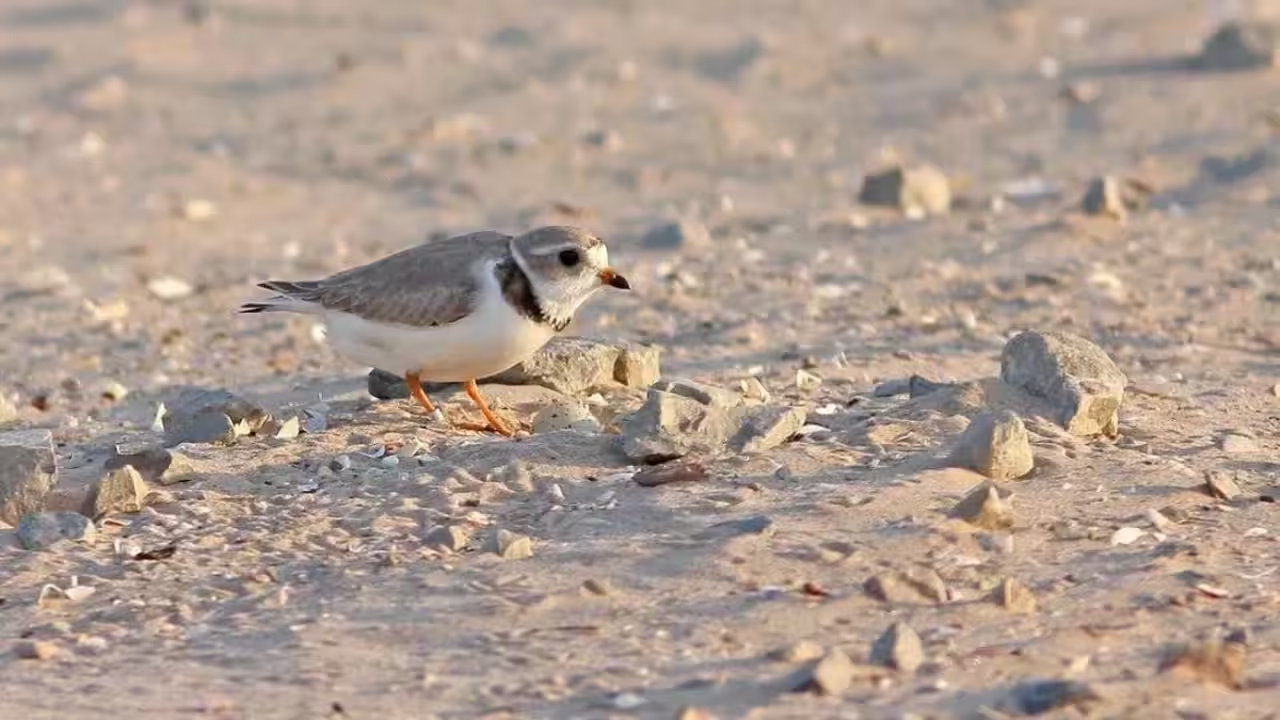
Conservationists in Wisconsin have reached an important milestone in Great Lakes wildlife restoration after a pair of piping plovers was found nesting on Wisconsin Point in Superior. The discovery ends a 49-year absence of nesting piping plovers at the site. According to an official announcement from the Wisconsin Department of Natural Resources (DNR), the endangered shorebirds nested in the St. Louis River estuary during the summer of 2026. Wildlife officials had not recorded breeding piping plovers at the site since 1977. The return of the pair follows a large environmental project that turned harbor sediment into new habitat for vulnerable bird species.Creating a new sanctuaryThe breeding pair built its nest on an isolated stretch of sand and cobble created through a $4.5 million habitat restoration project. In 2019, engineers moved more than 87,000 cubic yards of clean sediment dredged from the shipping channel in the Duluth-Superior Harbor. Workers placed the material along a sand spit within the state-owned Wisconsin Point Bird Sanctuary. The project created 14 acres of new land for feeding and nesting. The area was designed to meet the needs of piping plovers, which depend on wide, quiet shorelines with little vegetation to make shallow nests in the sand. The restoration was funded through the Great Lakes Restoration Initiative. The project was also part of cleanup work in the St. Louis River Area of Concern, an area identified by Canada and the United States in 1987 for the cleanup of polluted or damaged Great Lakes waterways.Matt Steiger, St. Louis River Area of Concern coordinator for the Wisconsin DNR, called the return of the species a major success for the region. "The news of a piping plover pair nesting here is a very significant milestone for this site," Steiger said. "The habitat project that made this possible is an excellent example of how we can collaborate in a working harbor to restore endangered species habitat." The project involved several agencies, including the US Army Corps of Engineers, the US Fish and Wildlife Service, the Wisconsin DNR, the US Environmental Protection Agency and the St. Louis River Alliance.Protecting nesting areasTo protect breeding shorebirds during the nesting season, state officials strictly limit access to the Wisconsin Point Bird Sanctuary. The state-owned land is closed to the public each year from 1 April to 24 August. The closure helps prevent people from disturbing eggs, chicks and adult birds. Piping plover eggs and young birds are especially vulnerable to people walking nearby, unleashed pets and predators along the shore. When active nests are found, conservation workers place special wire mesh structures called predator exclosures over the nests. These protect the eggs while still allowing adult birds to enter and leave. Community volunteers organised by the St. Louis River Alliance have helped state officials manage the site for 14 years. Local work groups regularly remove invasive plants, clear fallen wood and watch the shoreline for returning shorebirds.Piping plover population growsThe nesting attempt at Wisconsin Point is part of a wider recovery of piping plovers in the Great Lakes. According to census data released by the Wisconsin DNR, the Great Lakes piping plover population reached 99 breeding pairs in 2026, with at least 160 wild chicks successfully leaving their nests. Both numbers are the highest recorded since the species was listed as endangered under federal law in 1986. Despite this progress, suitable habitat remains limited across the region because of coastal development and recreational activity. In Wisconsin, piping plovers currently nest at only four locations: Wisconsin Point, the Apostle Islands and two protected sanctuaries in lower Green Bay. Together, these four sites had 12 breeding pairs during the 2026 season. They successfully raised 14 wild chicks, along with four chicks raised in captive-rearing facilities. State officials say patrols and seasonal closures will continue at Wisconsin Point to protect the newly restored breeding area and help ensure that piping plovers return in future seasons.
Topics in this story
Gathered from external sources. Rights to this text belong to whoever originally published it.