Designers Agree: These 7 Common Design Choices Are Making Your House Look Bad
These seven home elements, according to home design pros, can make your space feel unwelcoming. Learn what not to do here.
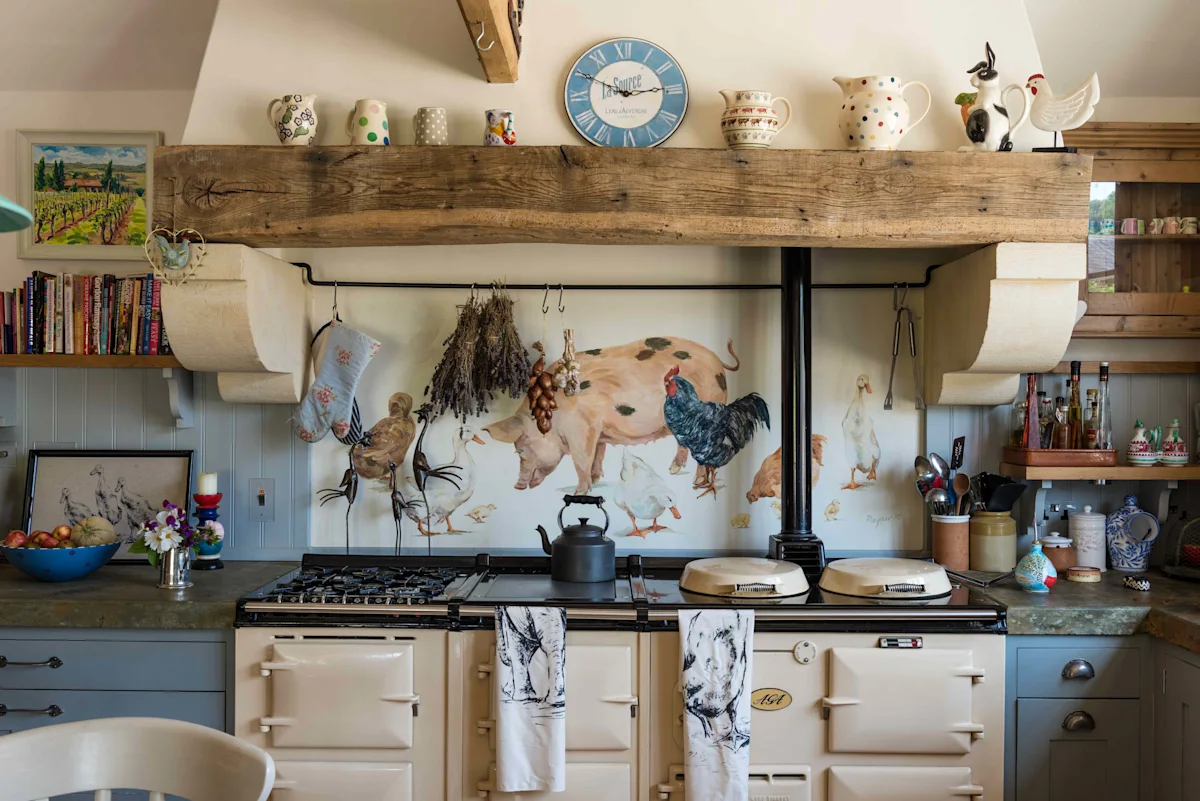
Bland art, no lighting plan, and poorly sized furniture make homes feel impersonal or awkward.
These mistakes often lead to costly do-overs and spaces that feel chaotic or outdated.
Choosing quality pieces and decorating with intention creates a home that feels stylish and personal.
One of the biggest home decor headaches is when you tackle a project or chase a trend only to find that it doesn't look as good in practice. This is even more annoying when it costs time and money to do—and will cost even more time and money to fix.
Luckily, these decor faux pas can be avoided. We turned to a few of our favorite pros to find the biggest offenders, so we know exactly what to avoid and replace.
Susie Novak is an interior designer and the founder of Susie Novak Interiors.
Brittany Cooper is the owner and principal designer of Rathell Designs.
John Stivale is an interior designer and co-founder of Stivale Graffam Home.
To create an intentional, well-curated space, designer Susie Novak says decorating your home with art and accessories you love is important. Otherwise, you run the risk of creating a sterile space that lacks personality.
"Art and accessories can seem basic, but they are the element in the home that truly tells your story about your travels, your personality," Novak says.
This is the best way to avoid a sterile space that feels more like a hotel than a home.
As designer Brittany Cooper notes, every great home has great lighting.
"Good lighting transforms a space by enhancing its functionality and aesthetic appeal," Cooper says.
Without it, your home can look poorly thought out. To avoid this, Cooper suggests elegant fixtures and intentional recessed lights, combined with smart lighting systems—or at least one of these three options to start.
It's one thing to fall in love with a new trend and want to incorporate it into your space. It's quite another to buy low-quality, mass-produced items simply to make your home fit into a box.
"Stay away from trendy pieces that quickly go out of style and can make a space feel less cohesive and more transient," says designer John Stivale.
Overdoing it with the accessories can be a major faux pas, and a cluttered home can often feel chaotic . Instead of picking decor based on price or recognition, try to collect fewer, more meaningful pieces.
Take into consideration your style and existing design theme so that you can enhance your space without overdoing it .
While quality cabinetry can be a big expense, Novak says it's too important of an element to ignore. Poor cabinetry can also end up costing you more to fix it later.
"Not all cabinetry is created equal, and investing in good cabinets will last you years and years," Novak says. "It will also add to a nice, everyday user experience."
Furniture can be a big expense, but the best thing you can focus on is buying pieces that are the right proportions for your room.
"Properly scaled furniture ensures that a room feels balanced, comfortable, and thoughtfully designed, avoiding the common regret of having to replace or rearrange pieces later on," Cooper says.
If you go too big, you can overwhelm the room and create a cramped space. But skewing small can make your home feel awkward and uncomfortable. Instead, always make time to measure.
Textured walls are a surefire way to date your home, says Novak. Rather than live with a funny finish, she suggests investing in smoothing them out. Without it, walls can have a knock-on effect that infiltrates the rest of your room.
"If your walls are not the right texture, the paint, art, and all the other decor just does not look right," Novak says. "It's a big investment but worth it."
Topics in this story
Gathered from external sources. Rights to this text belong to whoever originally published it.