Scientists discover how snails turn mucus into five different materials using calcium, collagen VI and changing protein levels
Science News: Snails may move slowly, but the mucus they produce is far more sophisticated than it looks. It has been revealed how grove snails can fine-tune this s.
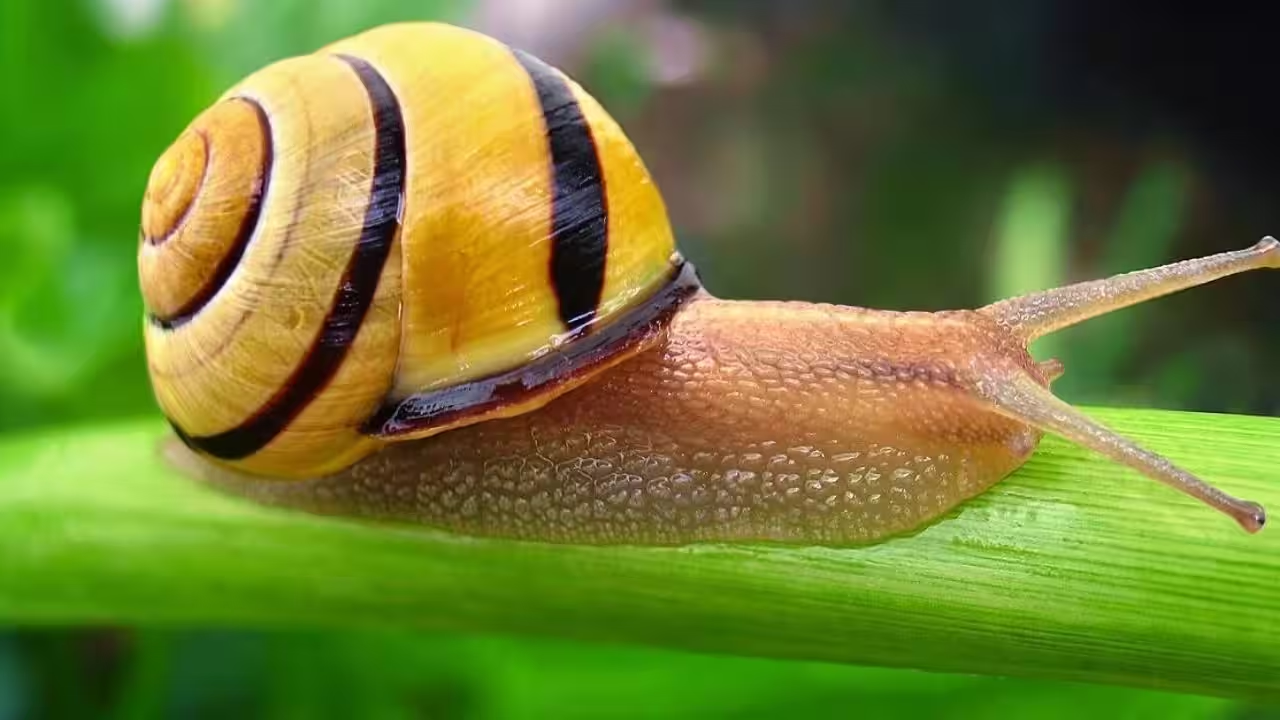
Snails may move slowly, but the mucus they produce is far more sophisticated than it looks. It has been revealed how grove snails can fine-tune this sticky substance for different purposes. Researchers identified five distinct mucus-based materials, each with its own mechanical properties and function. One helps the snails move smoothly by reducing friction, while another allows them to attach firmly to surfaces. Two others serve as defensive materials, helping the animals respond to threats. The fifth forms a mineral-rich layer that seals the shell during dormancy. A new research article published in Science titled ‘Calcium tunes snail mucus–based materials to multiple functions’ found that calcium plays an important role in creating these differences, working alongside structural proteins to alter the behaviour of the mucus. By adjusting the composition of a shared set of ingredients, the snails can produce materials that lubricate, stick, protect or harden.How can one snail produce five types of mucusResearchers studied grove snails, Cepaea nemoralis, and identified five forms of mucus, each serving a different purpose. The first is a lubricant released beneath the foot, helping the snail move across surfaces with less friction. The second forms an adhesive film that allows the animal to attach itself firmly to surfaces. When threatened, the snail produces two types of defensive mucus: a thick yellow secretion and a bubbly foam. The fifth material, known as the epiphragm, forms a protective seal over the shell opening during dormancy. Despite their different functions and physical properties, all five materials are made from broadly similar ingredients, including water, glycoproteins and complex carbohydrates. Collagen VI was identified as an important structural protein. Researchers found that differences in protein and calcium levels help the snail transform this common chemical toolkit into materials with distinct properties and functions.Why is calcium so important to the snail’s mucusThe study found that calcium plays a central role in determining how snail mucus behaves. Researchers detected different concentrations of the mineral across the five mucus types and found calcium carbonate stored inside the glands that produce the secretions. In wet mucus, amorphous calcium carbonate can release calcium ions that interact with proteins in the mucus network. These interactions can alter the material’s response to mechanical stress. The epiphragm contains the highest calcium concentration at about 420 milligrams per gram, nearly 17 times higher than that of the lubricant. Researchers also found evidence that calcium carbonate can transform into calcite, helping strengthen the mineralised barrier and providing the dormant snail with additional protection.How do protein levels change the behaviour of snail slimeProtein concentration also helps determine how the snail’s mucus behaves. The lubricant contained only about 0.3% protein, while the yellow defensive mucus had roughly 4%. This difference affects how the materials respond to mechanical stress. The way mucus is physically organised also changes its final properties. The yellow defensive secretion forms a fibrous material, while collagen gathers around the bubbles in the defensive foam. The snail produces this foam by pushing air through its breathing opening. These findings suggest that the animal does more than release the same mucus for different purposes. It appears to regulate both the chemical composition and physical organisation of its secretions. By making these adjustments, the snail can turn similar basic ingredients into materials that lubricate, adhere, stretch or provide protection when needed.What scientists learned about the versatility of snail mucusThe findings could help scientists understand how nature creates materials with different properties from a relatively simple set of ingredients. The snail’s ability to alter its mucus from a slippery lubricant to a stronger material could offer ideas for developing new adhesives, protective coatings and materials for wound repair. By changing protein levels, calcium chemistry and the way the mucus is physically organised, the snail can produce substances suited to lubrication, adhesion, and mineral protection.
Topics in this story
Gathered from external sources. Rights to this text belong to whoever originally published it.