With the Crew Dragon retiring, NASA needs a new plan for low Earth orbit
The matter has achieved some urgency since NASA has officially issued a request for private companies to propose their own space stations.
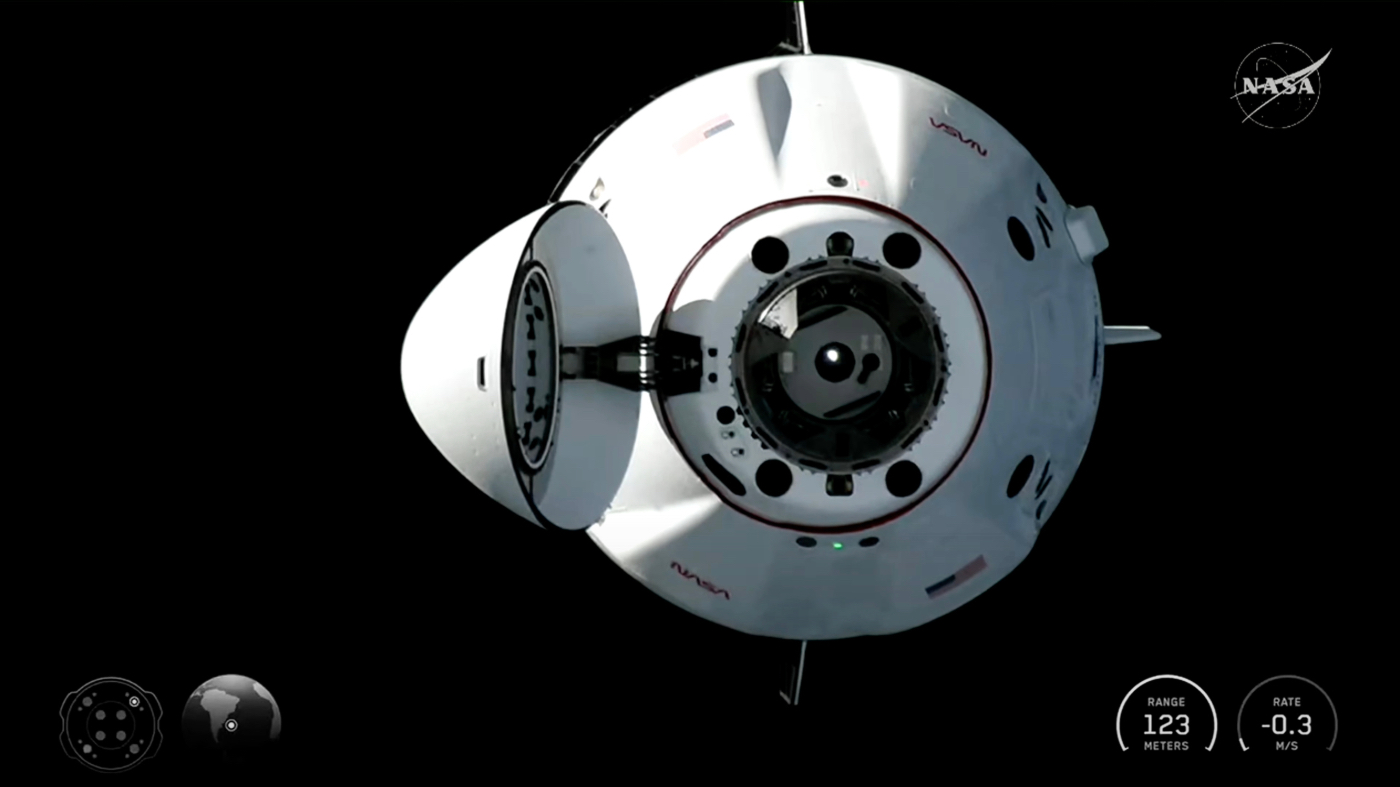
SpaceX has indicated that it would cease launches of its Falcon 9 and Falcon Heavy rockets to concentrate on the Starship by the end of the International Space Station’s operation in 2030. The decision presents a problem , especially to companies planning their own commercial space stations, because it means that the Dragon spacecraft will no longer fly.
The matter has achieved some urgency since NASA has officially issued a request for private companies to propose their own space stations. According to Ars Technica, these companies likely include Axiom Space, Voyager Space and Vast Space. Blue Origin is working on its own space station but it is unclear whether it will answer the request. SpaceX is considered not likely to bid, at least for now.
To keep access to low Earth orbit available, NASA and Boeing are working to revive the trouble-prone Starliner. Starliner has had two uncrewed flights , the first being unsuccessful. Its sole crewed flight resulted in astronauts Sunita Williams and Butch Wilmore being stuck on the International Space Station because of glitches that made Starliner unsafe to return to Earth with a crew. Williams and Wilmore later returned on board a Crew Dragon.
In an agreement with NASA , Boeing will undertake a number of fixes that will presumably make Starliner flightworthy. NASA plans a cargo flight of the Starliner around December or January, and another attempt at a crewed flight in 2028.
Blue Origin is the other American company with the ability to develop a new spacecraft capable of taking people and cargo to and from low Earth orbit. It turns out that Blue Origin is working on a spacecraft, dubbed the Space Vehicle, which Ars Technica’s Eric Berger said has been making “substantial progress”.
However, before going to the next level to build flyable hardware, Blue Origin needs some buy-in from NASA similar to what Boeing is getting for Starliner. Developing a spacecraft on its own dime is a monumental challenge, even for a company backed by Jeff Bezos’ deep pockets.
NASA would be well advised to give its official seal of approval to the Blue Origin Space Vehicle, as well as some cash. The original Commercial Crew policy of funding two spacecraft turned out to be a wise decision when the Boeing Starliner fell short, but the SpaceX Crew Dragon came through , time after time.
With the planned end of Crew Dragon flights, SpaceX is conducting test flights of its Starship. When operational, the largest human-made object ever to fly in space will be a quantum leap in space launch capability. It will open up the solar system to human activity. Nothing like it is in development anywhere else.
Still, the fact of the Dragon going away has left the nascent commercial space station sector in something of a lurch, pending the advent of the Boeing Starliner and, presumably, the Blue Origin Space Vehicle.
Could the Crew Dragon and the Falcon family of launch vehicles be extended?
SpaceX is under no obligation to provide a service past the launches that it has been contracted to provide. It is a private business and free to deliver a launch service or not, depending on its business needs.
Using the Starship to send people and cargo to and from commercial space stations would seem like overkill. The spacecraft is capable of sending up to 150 metric tons of anything anywhere (with refueling) in the solar system, far and above the four or so astronauts and the cargo that a commercial space station would need.
Indeed, a Starship could be outfitted as a commercial space station and deployed in one launch. Little evidence exists that SpaceX is planning such a thing, but who knows?
One possibility would be to spin off the Dragon, the Falcon 9 and the Falcon Heavy into a separate company and then sell it to investors who would then run it to service the commercial space stations. Call it Dragon Spaceline.
SpaceX could then use the money to further enhance the Starship and related space businesses, such as Starlink and the planned space-based data centers.
Everybody wins: SpaceX, the commercial space station companies and NASA. Or rather, almost everybody since Boeing and Blue Origin would have a competitor with a proven track record of success.
NASA has vowed that it is not abandoning low Earth orbit as it shoots for the moon, Mars and beyond. Future decisions will reveal how serious that vow is.
Mark R. Whittington, who writes frequently about space policy, has published a political study of space exploration entitled “ Why is It So Hard to Go Back to the Moon? ” as well as “ The Moon, Mars and Beyond ” and, most recently, “ Why is America Going Back to the Moon? ” He blogs at Curmudgeons Corner.
Topics in this story
Gathered from external sources. Rights to this text belong to whoever originally published it.