Canadian researchers tested electrified mats to keep bears away from railway tracks; cameras recorded 55 attempted crossings by eight carnivore species, but no grizzlies crossed while the mats were active
Researchers in Canada tested electrified mats, wildlife gates and specially designed fences as ways to stop bears and other wildlife from accessing
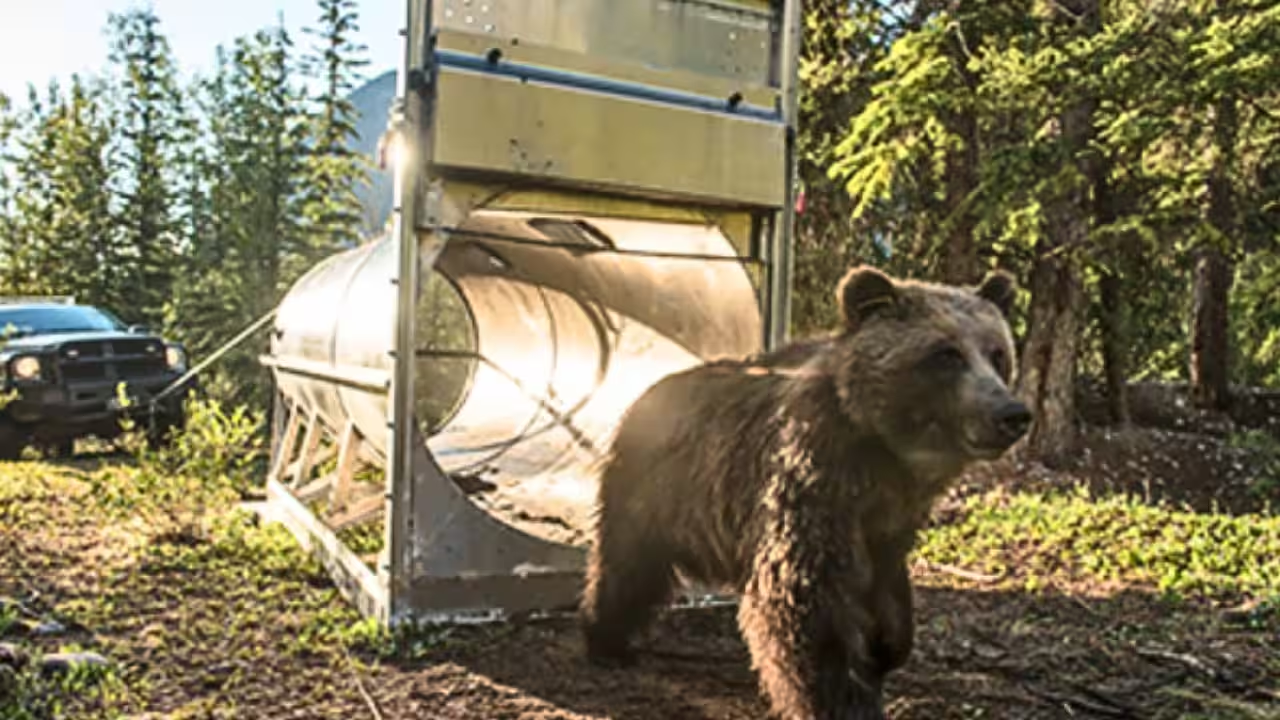
Researchers in Canada tested electrified mats, wildlife gates and specially designed fences as ways to stop bears and other wildlife from accessing railway tracks. The trials included two enclosed sites with mock sections of railway, built safely away from the active line. The enclosures used electrified mats and fences, jump-outs and wildlife gates, with bait to encourage animals to approach.According to Parks Canada, motion-sensor cameras recorded 55 individual attempted crossings by 8 different carnivore species. No grizzly bears entered the enclosure by crossing the electrified mats while the mats were active. The mats remained experimental, with further research needed to assess their performance and suitability for railway use.How did researchers test barriers to keep bears away from railway tracksParks Canada and Canadian Pacific tested whether electrified mats and fences could keep bears and other wildlife away from railway tracks. Researchers built two exclosures, fenced areas designed to keep animals out, around mock sections of railway. The sites were placed safely away from the active railway.Electrified mats and fences formed the boundaries, while jump-outs and wildlife gates were included in the design. Researchers placed bait inside to encourage wildlife to attempt entry. Motion-sensor cameras monitored the sites and recorded animal activity. The trials focused on whether the barriers could prevent animals from crossing into the enclosed railway areas. The results provided evidence about grizzly bears’ responses to active electrified mats.What did cameras reveal about wildlife attempts to cross the electrified matsMotion-sensor cameras recorded 55 individual attempted crossings by 8 different carnivore species during the trials. Parks Canada reported that no grizzly bears entered the exclosure by crossing the electrified mats when those mats were active. The finding suggested that the mats deterred grizzlies from crossing the boundary under the conditions tested. The agency did not describe the 55 attempts as 55 successful crossings.Instead, the figure referred to individual attempted crossings recorded by the cameras. The trials also included fences, jump-outs and wildlife gates, although the page’s reported result specifically concerned grizzlies crossing active electrified mats.Researchers tested a fence with a 90-degree overhang to block bearsA separate Parks Canada project examined a non-electrified fence design intended to stop bears from reaching railway tracks. Researchers tested whether fencing could be modified to keep bears out of high-risk sections of railway or highway. The design had an outward-facing overhang measuring 1 metre and set at a 90-degree angle.Researchers baited the enclosed area and monitored it with motion-activated still and video cameras. No bears successfully climbed over the fence. However, two grizzly bears entered the site by pushing and pulling at a weak point until they made a large hole in the wire.Winter conditions remained a challenge for electrified wildlife barriersReportedly, an electrified fence could provide an additional level of prevention, particularly when bears were strongly motivated by food on the other side. Researchers observed that bears spent more time and effort trying to reach bait in spring and autumn, when natural food was less available. In mid-summer, when food was easier to find, they made less effort to breach the fence. The mats had limits. They had higher failure rates in winter and had not been tested on hoofed animals, called ungulates. Railway testing was needed to assess durability, snow removal, and wildlife responses. The mats, backed by Texas gates, had been installed at highway-fence entrances in Banff and Kootenay National Parks.Your child uses AI every day. But do they understand it? Find out in the TOI AI Masterclass.
Topics in this story
Gathered from external sources. Rights to this text belong to whoever originally published it.